How Probate Works
August 1, 2026 · Marc Cormier
Can I Live in an Inherited House During Probate in Maryland?
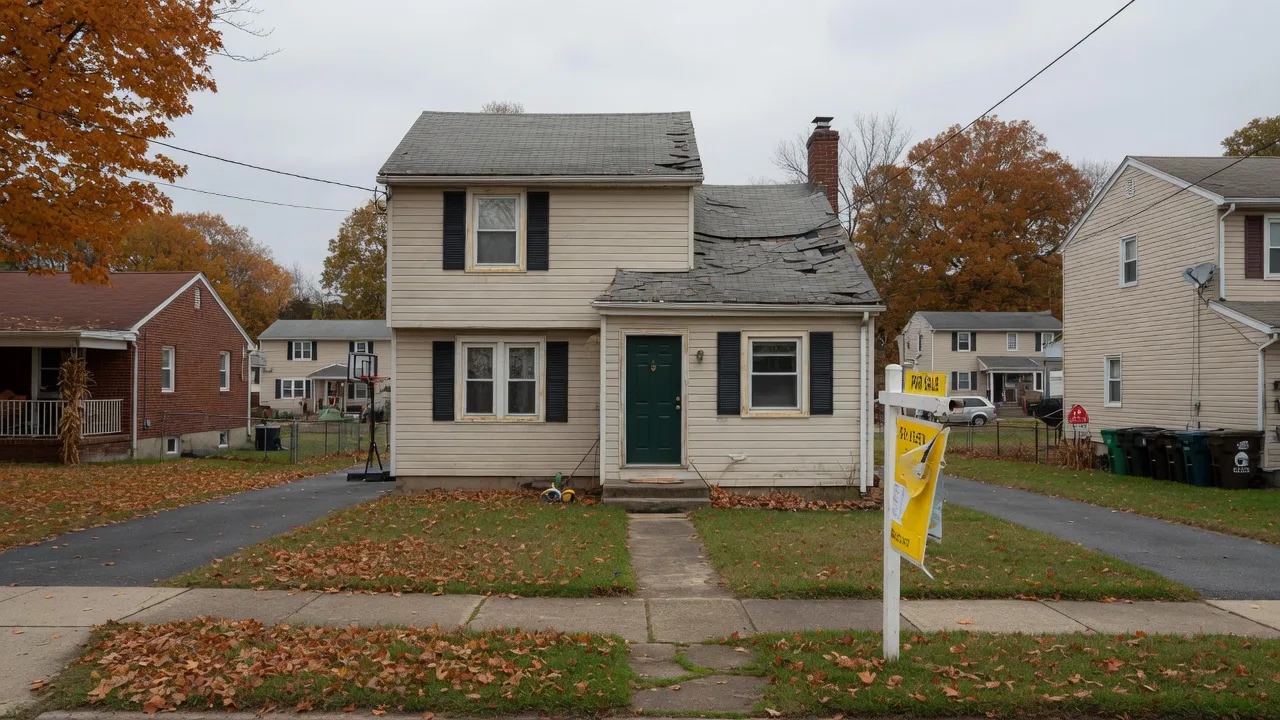
One of the first questions many families ask after losing a loved one is: "Can I move into the house while probate is going on?" Or perhaps you've already been living there and are wondering: "Can I stay until everything is settled?" The answer depends on the specific facts of the estate, but there are important issues every Personal Representative should understand before making that decision.
The House Belongs to the Estate
During probate, the home is generally an asset of the estate. That means no single heir automatically has the right to move in simply because they are a beneficiary. The Personal Representative has a fiduciary duty to protect the estate and act in the best interests of all beneficiaries.
Why Living in the Home Can Create Problems
Although it may seem harmless, occupancy can raise several issues. For example: other heirs may believe one beneficiary is receiving special treatment, the home's condition may change, utility costs increase, insurance coverage may need to be updated, and it may become more difficult to prepare the home for sale. If family members disagree, disputes can quickly develop.
What About Someone Who Already Lived There?
Sometimes an adult child or another family member was already living in the home before the owner's death. That situation may require different legal and practical considerations. The Personal Representative should discuss those circumstances with the estate's attorney before making decisions about continued occupancy.
Insurance Matters More Than Most People Realize
One of the first questions your insurance company may ask is: "Is the property occupied or vacant?" The answer can affect: coverage, premiums, and policy requirements. Never assume the existing homeowners policy remains unchanged after someone passes away. Contact the insurance company immediately to understand the coverage that applies during probate.
If You Plan to Sell, Occupancy Can Affect Value
Buyers often prefer homes that are: clean, easy to show, vacant, and professionally staged. An occupied home may: limit showing availability, delay repairs, make staging more difficult, and reduce buyer interest. Every estate is different, but these are important considerations when deciding whether someone should remain in the property.
The fastest way to understand what options are available for your situation is to get an instant offer on the property. Knowing the cash value of the home gives you a concrete baseline to work from as you weigh each decision.
The Personal Representative Must Treat Everyone Fairly
The Personal Representative's role is not to favor one heir over another. Every decision should be based on what best protects the estate and helps maximize its value. When difficult decisions arise, document the reasons and consult the estate's attorney.
Frequently Asked Questions
Can an heir move into the house after the owner dies?
Possibly, but the decision should be made carefully and with legal guidance.
Can the Personal Representative live in the home?
That depends on the circumstances. Because of the fiduciary duties involved, it's important to discuss the situation with the estate attorney before making that decision.
Does living in the home delay selling it?
It can. Occupancy sometimes makes repairs, staging, photography, and showings more difficult.
Should we leave the home vacant?
That depends on the property, insurance requirements, security concerns, and the estate's overall plan.
Helping Maryland Families Protect Probate Property
Every probate estate is different. Before making decisions about who should live in the property, understand how those choices may affect the estate. We help Maryland Personal Representatives: evaluate the home's condition, coordinate repairs and maintenance, prepare the property for sale, obtain multiple cash offers, and develop a strategy that protects the estate and maximizes its value.
If you're responsible for an inherited Maryland home, get an instant offer today for a free probate real estate consultation.
Legal Note
For legal questions about your responsibilities as a Personal Representative, consult a competent Maryland probate attorney.
Legal Note
If family members disagree about legal rights or the administration of the estate, seek advice from competent legal counsel.