How Probate Works
July 31, 2026 · Marc Cormier
Can You Accept an Offer on a House Still in Probate?
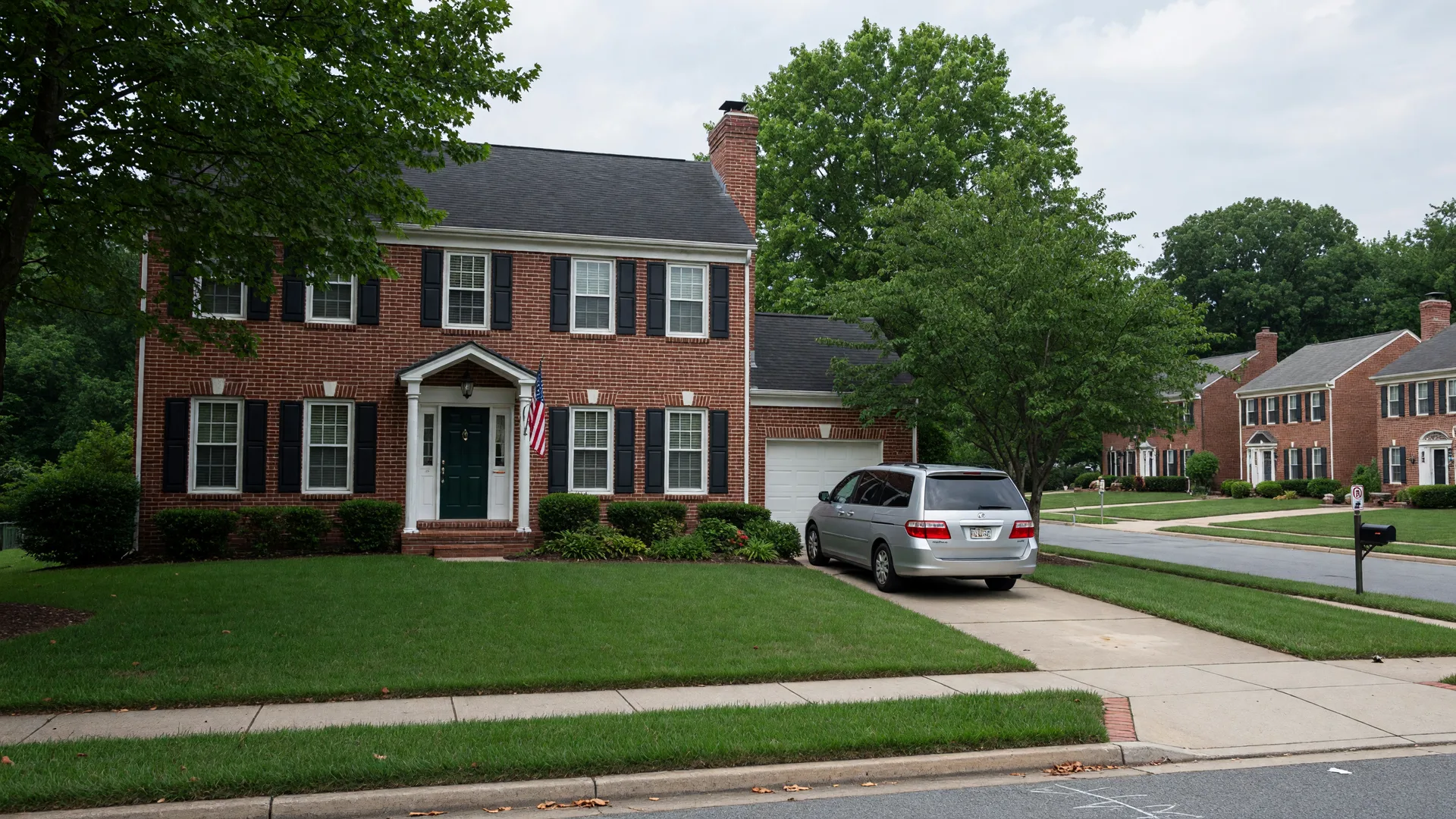
Short answer, yes. You can accept an offer on a home that is still in the probate process, though closing depends on the Personal Representative's authority and any court steps the estate's situation requires. The acceptance is conditional, and both the seller and the buyer need to understand how the timeline works.
How an Offer Works in Probate
Normally, a potential buyer makes an offer and the seller decides to accept, reject, or counter. With a house in probate, the terms of the sale have to be accepted by the Personal Representative, and depending on the estate, the sale may need court approval. The Personal Representative has fiduciary responsibility to act in the estate's best interest, and when the court is involved it will verify that the sale terms are fair.
The buyer should understand upfront whether the sale requires court approval. Being transparent from the beginning is important, so the buyer can make an informed decision about the property and the timeline.
The Court Hearing Process
Once you accept an offer, check with the estate attorney whether the sale needs court approval for this estate; in Maryland, a Personal Representative commonly sells without court approval unless the will or a court order limits that power, but some situations, such as a sale to the Personal Representative or a family dispute, bring a court hearing in. Hearings can take anywhere from 20 to 40 days or longer, depending on the court's caseload. The buyer is typically required to put down a 10% deposit, which is held in escrow. If another buyer steps forward at the hearing and outbids your current buyer, the original buyer's deposit is returned. If there are no objections or competing bids, the 10% goes toward the purchase price.
Advertising Requirements
Before the hearing, the sale generally must be advertised in at least one newspaper for a set period of time. This gives heirs and creditors the opportunity to come forward with any claims. Even if you notify heirs directly, the newspaper advertisement is still typically required by law.
Getting the Property Ready
While the court process moves forward, make sure the property is ready for sale. If repairs or renovations are needed, work with contractors who understand the probate timeline. The property should be in good condition to attract the best offers and justify the sale price to the court.
What Protects the Personal Representative
Get multiple offers on the property before accepting one. Having documented evidence that you obtained a fair price protects you if any heir later questions the decision. The court wants to see that the estate received fair value, and multiple offers demonstrate that.
If you are the personal representative of an estate and need to move quickly, get an instant offer on the property within minutes. This gives you a baseline to compare against any other offers you receive and provides clear documentation that you pursued fair market value for the estate.
Whether you are an executor considering an offer or a buyer interested in a probate property, understanding the court's role in the process helps set realistic expectations. I have guided hundreds of families through probate sales across Maryland, DC, and Virginia. If you have questions about accepting an offer or navigating the court approval process, reach out for a consultation.
Legal Note
For legal questions about your responsibilities as a Personal Representative, consult a competent Maryland probate attorney.
Legal Note
Court requirements vary depending on the circumstances of the estate. Consult your probate attorney for guidance.