How Probate Works
July 31, 2026 · Marc Cormier
What Are the Common Mistakes in Probate Real Estate?
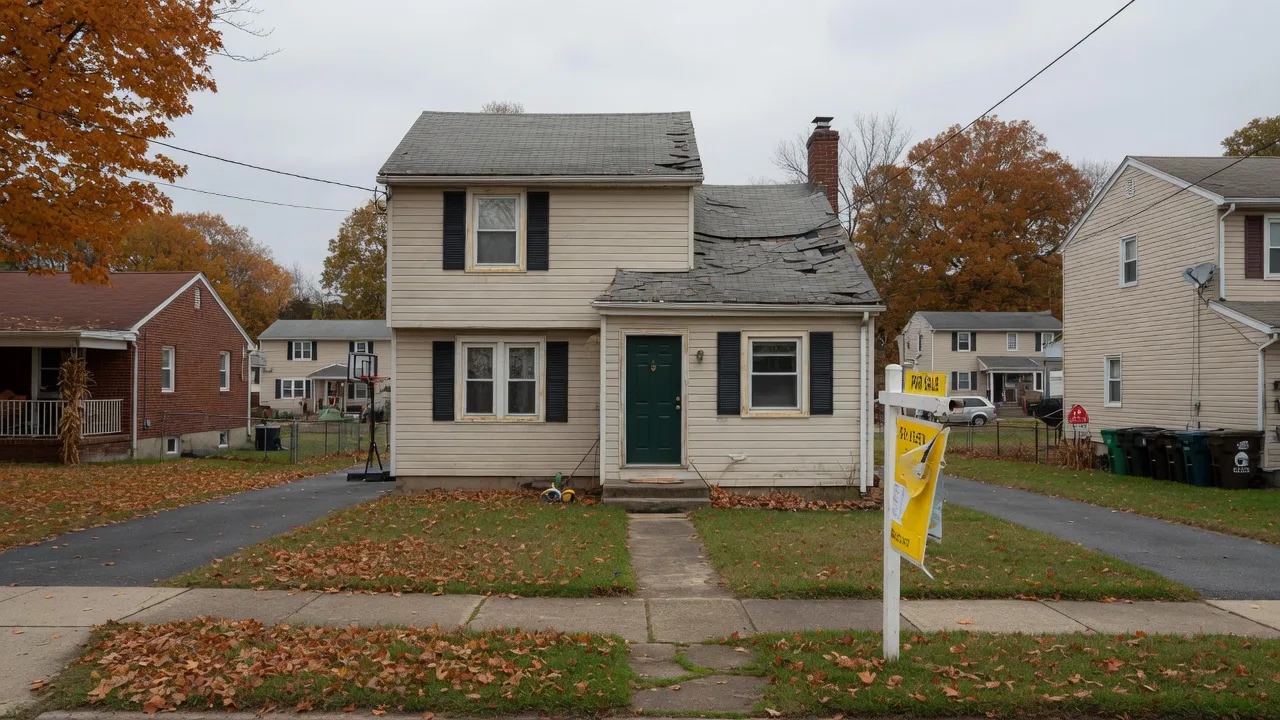
Most of the expensive mistakes in a probate sale happen before the house ever gets listed, not during the sale itself. That may sound surprising, but after working with hundreds of estate representatives and families across Maryland, DC, and Virginia, the pattern is clear. The decisions made in the first weeks after a death determine whether the property sale goes smoothly or becomes a source of stress, delay, and conflict.
The Mistakes That Actually Cost Money
Acting before Letters of Administration are issued. Signing anything, even a listing agreement, before legal authority is confirmed can create problems that delay the whole process. The court needs to formally appoint the Personal Representative before anyone has the legal right to make decisions about the property. An agreement signed too early may need to be re-executed or, worse, challenged by other heirs.
Letting the property sit unsecured or uninsured. A vacant house without active homeowners insurance is a real liability if something happens, fire, water damage, break-in, while probate is pending. Standard policies often change their terms after a property becomes vacant, and a lapse in coverage leaves the estate exposed to losses that cannot be recovered.
Skipping the formal date-of-death appraisal and relying on an online estimate. Maryland's Register of Wills does not accept approximate values, and getting this wrong can slow down the inventory filing. An automated valuation model from a consumer website is not a substitute for a certified probate appraisal that meets USPAP standards. The difference between an online estimate and a real appraisal can be tens of thousands of dollars, and the court requires the real number.
Taking the first cash offer without comparison. A single offer, accepted without knowing what the renovated market number would be, is difficult to defend later if another heir questions the decision. When only one offer is on the table, there is no basis for comparison. A Personal Representative has a fiduciary duty to the estate and to all beneficiaries, and accepting the first offer without testing the market can expose them to liability.
Letting one heir act like they speak for everyone. Fiduciary authority belongs to the appointed Personal Representative. Decisions made outside that authority can create disputes that did not need to happen. Well-meaning family members who step into a leadership role without formal appointment can inadvertently complicate the process, especially if they make promises to other heirs that the estate cannot fulfill.
Underestimating carrying costs. Property taxes, insurance, utilities, and maintenance add up every month the house sits unsold. A slow decision has a real dollar cost attached to it. Every month the property remains in probate without being sold, the estate burns cash on expenses that reduce the net proceeds for beneficiaries.
Assuming repairs are required before selling. They are often not. Maryland allows as-is sales with proper disclosure. The mistake is not skipping repairs; it is not knowing whether skipping them is the right call for this specific house. Some properties sell for more after targeted improvements, while others are best sold as-is. The right answer depends on the market, the condition, and the numbers, not on a general rule.
The Pattern Behind Most of These
Almost every mistake on this list comes from moving fast on incomplete information, either legal authority that has not been confirmed yet, or a property decision made without real comparable numbers. The fix is not slowing everything down. It is sequencing correctly and having real numbers before each decision instead of after.
Emotions run high after a loss, and families often feel pressure to act quickly. But speed without the right foundation is what creates the expensive, avoidable errors.
What to Do Instead
Confirm legal authority first. Make sure the Personal Representative has been appointed by the court before taking any action on the property. This is the single most important step in the entire process.
Secure and insure the property. Change the locks, notify the insurance carrier about the vacancy, and make sure the property is protected against weather damage, vandalism, and liability.
Get a real valuation, both as-is and what a renovated sale could bring. Work with a probate-experienced agent and appraiser to understand the full picture before deciding how to sell.
Get multiple offers on the property within minutes before committing to a direction, so the decision is documented and defensible, not a guess made under pressure. If you want to explore a fast, competitive option for your probate property, get an instant offer and compare it against what the traditional market would deliver.
If you are navigating a probate sale and want to avoid these common pitfalls, reach out for a consultation. Marc Cormier can help you understand the process and connect you with the right professional resources.
Legal Note
For legal questions about your responsibilities as a Personal Representative, consult a competent Maryland probate attorney.