How Probate Works
March 25, 2021 · Marc Cormier
Estate Administration & Probate in Virginia
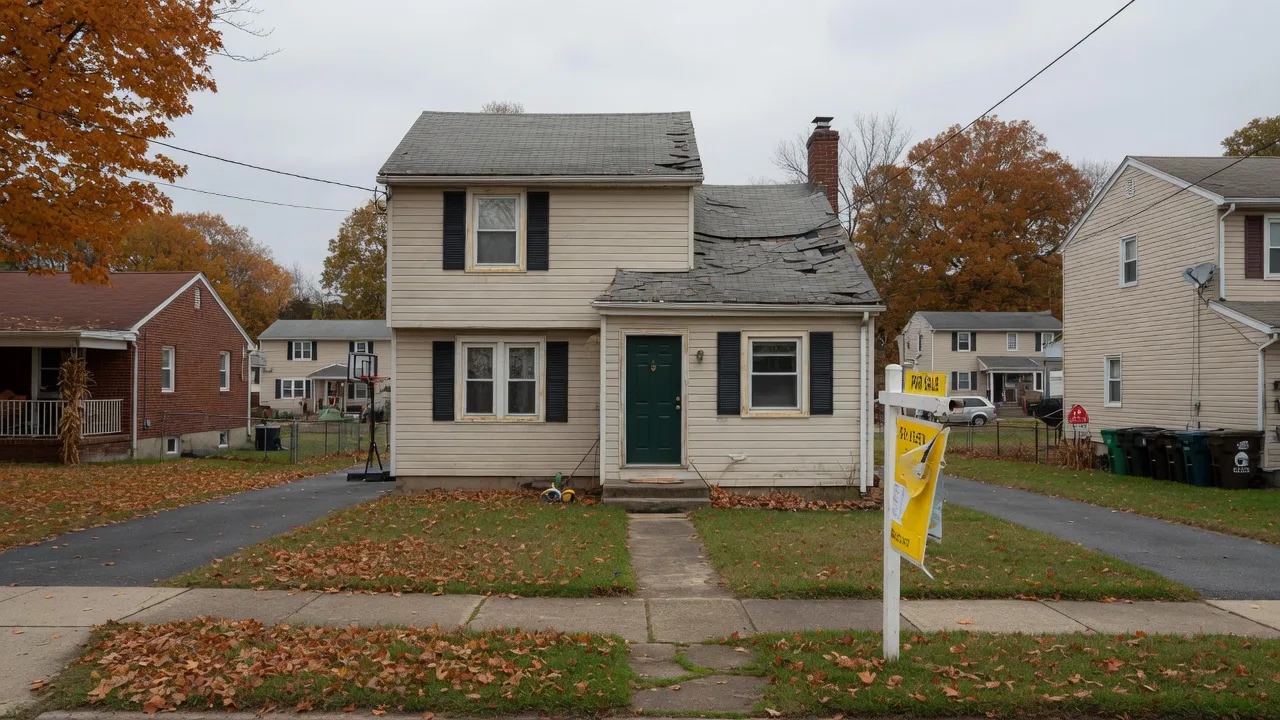
Virginia handles probate differently than Maryland and the District of Columbia. The process can be relatively streamlined for straightforward estates, but understanding the state's specific rules is essential for any executor or personal representative.
Proving the Will in Court
The probate process in Virginia begins when the will is presented to the local circuit court. The court validates the will, confirms the executor's authority, and oversees the administration of the estate. If there is no will, the court appoints an administrator following Virginia's laws of intestate succession.
Executor vs. Administrator
If the decedent named an executor in their will, that person has priority to serve. If no will exists, Virginia has a specific priority order for administrators: surviving spouse first, then children, parents, siblings, and other next of kin. The court may require a bond to protect the estate from mismanagement.
The Small Estate Threshold
Virginia's small estate threshold is $50,000 or less in personal property. Estates below this threshold qualify for simplified procedures that allow assets to be collected and distributed without full probate administration. Real property, however, may still require probate regardless of value.
Inventorying and Safeguarding Assets
The executor must inventory all estate assets, including bank accounts, investments, personal property, and real estate. This inventory is filed with the court. The executor is also responsible for safeguarding these assets, including maintaining insurance and securing vacant properties.
Handling Real Estate
Virginia has specific rules about real property in estates. Tenants-in-common interests, transfer-on-death deeds, and jointly held property each follow different paths. If the estate includes real estate that needs to be sold, the executor must follow proper procedures, including court approval when required.
Verifying Property Insurance
One critical and often overlooked task is verifying property insurance coverage and notifying insurers when a property becomes vacant. Standard policies may reduce or cancel coverage after 30 to 60 days of vacancy. The personal representative must ensure coverage remains in place throughout the probate process.
If you are administering an estate in Virginia and need help with the real estate aspects, reach out for a consultation. Marc Cormier provides probate real estate services across Virginia, Maryland, and DC.
Legal Note
Court requirements vary depending on the circumstances of the estate. Consult your probate attorney for guidance.