Ultimate Guide
August 2, 2026 · Marc Cormier
How to Secure a Vacant Probate Home in Maryland
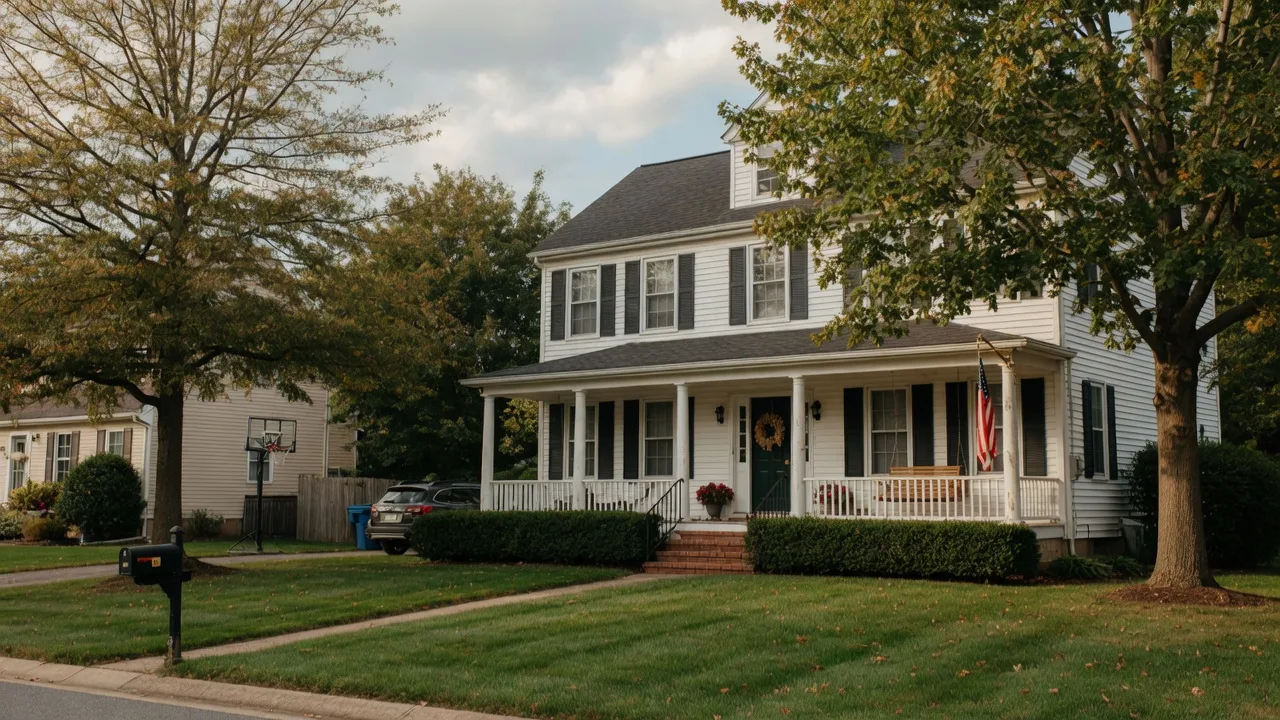
Quick Answer: Why Securing the Property Is Critical
Many estates lose thousands of dollars because the property is not properly secured after the owner's death. Securing a vacant probate home involves changing locks, notifying the insurance company, managing utilities, preventing damage, and conducting regular inspections. Taking these steps immediately protects the estate's largest asset.
The Personal Representative has a fiduciary duty to preserve the value of the estate. A home left unsecured can suffer from vandalism, squatters, water damage, frozen pipes, theft, and general deterioration that reduces its market value by tens of thousands of dollars. The steps outlined in this guide will help you fulfill that duty and protect the property until it can be sold or transferred.
Table of Contents
- Why Securing the Property Is Critical
- Changing Locks
- Vacant Home Insurance
- Water Shutoff and Utility Management
- Mail Forwarding
- Alarm Systems
- Exterior Maintenance
- Lawn Care and Snow Removal
- Frozen Pipes
- Smoke Detectors
- Security Cameras
- Neighbor Communication
- Periodic Inspections
- Contractor Access
- Protecting Valuables
- Preventing Vandalism
- Preventing Squatters
- Documenting Condition
- Maryland Case Study
- Common Mistakes
- Questions to Ask
- Marc's Advice
- If This Were My Family
- FAQs
- Vacant Home Security Checklist
- Key Takeaways
- Next Steps
Why Securing the Property Is Critical
When a homeowner passes away, the property does not simply sit in a safe, protected state. Within days, risks begin to accumulate. An unsecured vacant home becomes a target for break-ins, vandalism, and unauthorized entry. Mail piles up, signaling to passersby that no one is home. Utility problems like leaking pipes or electrical issues go unnoticed and worsen by the day.
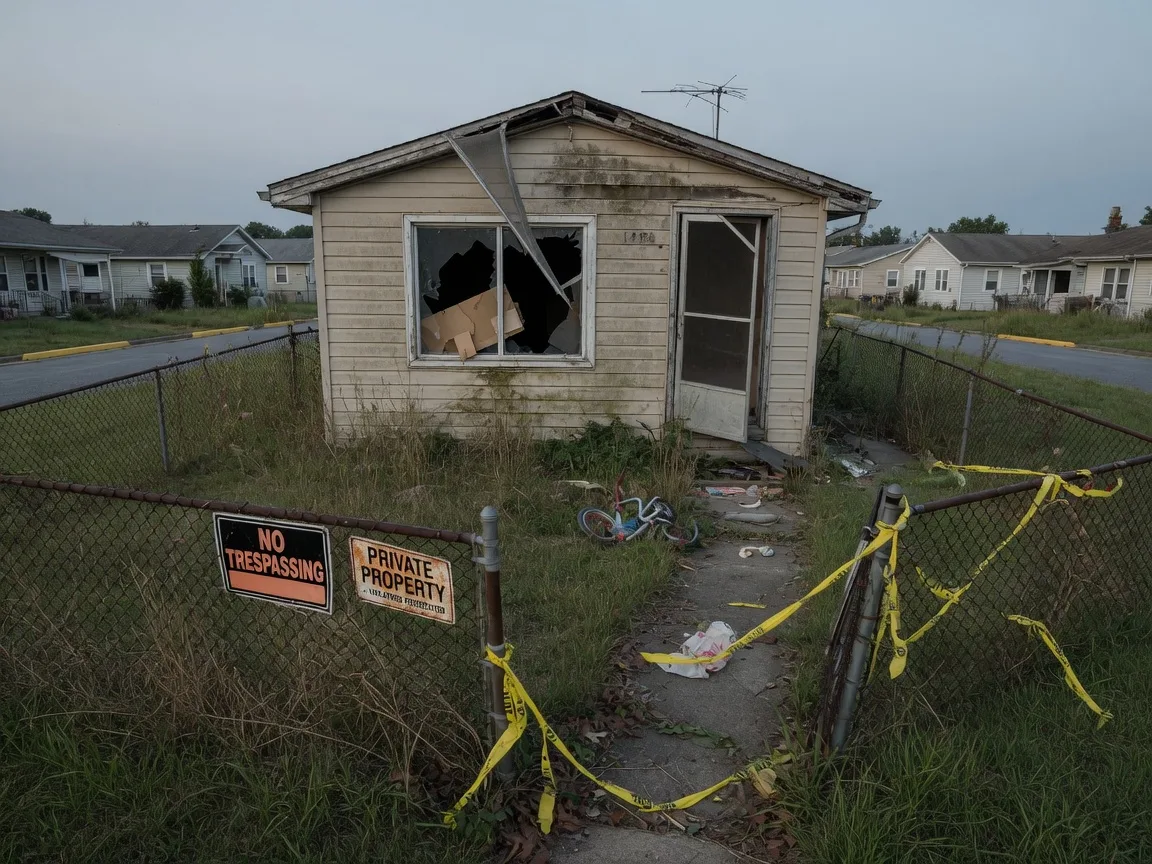
The Personal Representative is legally responsible for protecting the estate's assets. Under Maryland law, failing to take reasonable steps to secure and maintain a probate property can expose the Personal Representative to personal liability. Heirs can bring claims against a Personal Representative who let the property fall into disrepair or who failed to protect it from theft or damage.
The first 48 hours after you learn a property is part of an estate are the most critical. Use this window to assess the home's condition, secure all entry points, and begin the process of transferring utilities and insurance into the estate's name.
Changing Locks
One of the first and most important steps is changing the locks on all exterior doors. You have no way of knowing who has keys to the property: family members, neighbors, friends, contractors, housekeepers, or caregivers. Any of these individuals could have a key, and any key could be lost, stolen, or copied.
A complete rekey or lock replacement gives you control over who can enter. For most homes, a locksmith can rekey all exterior locks for a few hundred dollars. If the home has older, less secure locks, consider replacing them with modern deadbolts. Smart locks that use codes rather than physical keys can be useful for granting temporary access to contractors, inspectors, and real estate agents without distributing physical keys. You can create a temporary code for each visitor and revoke it when the work is done.
After changing the locks, secure any spare keys left in obvious places like under doormats, in flowerpots, or on top of door frames. These hiding spots are the first places someone looking to enter will check.
Vacant Home Insurance
Most standard homeowner's insurance policies contain vacancy clauses that limit or exclude coverage when a property is unoccupied for more than 30 to 60 days. If you do not notify the insurance company of the vacancy, and a claim occurs, the estate could be left holding the full cost of the loss.
As soon as you know the property will be vacant, contact the insurance company or agent. Notify them that the homeowner has passed away and that the property is now part of an estate. Ask about converting to a vacant property policy or adding a vacancy endorsement. The additional cost is typically modest compared to the risk of carrying no coverage at all.
For a deeper look at this topic, read our full guide on dealing with insurance on a vacant probate property.
Water Shutoff and Utility Management
Water damage is one of the most common and costly problems in vacant probate homes. A burst pipe can cause tens of thousands of dollars in damage in a matter of hours. If no one is living in the home to notice, that damage can spread throughout the entire structure before it is discovered.
The safest approach during winter months is to shut off the main water supply and drain the pipes. You can do this yourself or hire a plumber, especially if the home has older plumbing that could be fragile. After shutting off the water, open all faucets and flush toilets to drain the lines. Pour antifreeze (the non-toxic RV kind) into toilet bowls and drain traps to prevent freezing.
If you choose to leave the water on, set the thermostat to at least 55 degrees Fahrenheit to prevent pipes from freezing. Keep cabinet doors under sinks open to allow warm air to circulate around the pipes. This approach costs more in utility bills but can be worth it during mild winters or when the property needs to be shown to buyers on short notice.
For electricity, keep the power on unless the home will be empty for many months with no plan to sell. Power is needed for security systems, lights on timers, and to prevent mold growth from humidity in the summer. Gas can usually be turned off at the meter if the home has no gas appliances that need to stay running, such as a furnace or water heater.
Understanding who pays for these utilities is essential. Our guide on who pays expenses during probate covers this in detail.
Mail Forwarding
An overflowing mailbox is the most visible sign that a home is vacant. Anyone driving or walking past can see the mail piling up and know the property is unoccupied. This invites break-ins, trespassing, and vandalism.
Set up mail forwarding with the USPS as soon as possible. The Personal Representative can file a change of address request online or at the local post office. The mail should be forwarded to the Personal Representative's address or to the estate attorney's office. This ensures that important documents, including bills, tax documents, and court notices, reach the right person without delay.
If mail forwarding cannot be set up immediately, have someone collect the mail daily. Ask a trusted neighbor to gather it, or stop by the property yourself every day until forwarding is active. Do not let mail accumulate for even a few days.
Alarm Systems
If the home has a security system, keep it active. Contact the alarm company, explain the situation, and transfer the account to the estate or the Personal Representative. Most alarm companies will work with estates to keep the system running during probate.
If the home does not have an alarm system, consider installing a monitored system or a cellular-based security device. Many modern systems can be self-installed with no long-term contract. A visible alarm panel and yard sign are often enough to deter casual criminals. Cellular-based systems work well for vacant properties because they do not rely on a landline phone that may have been disconnected.
Exterior Maintenance
A neglected exterior signals that no one is watching the property. Peeling paint, broken fence boards, damaged shutters, and overgrown shrubs all suggest the home is abandoned. Maintain the exterior as if someone were still living there. Small repairs like replacing a loose board or patching a cracked window should be done promptly to prevent further damage.
Check the roof for missing or damaged shingles after storms. A small leak can become a major problem if it goes undetected for weeks or months. Gutters should be cleaned at least twice a year to prevent water from backing up and seeping into the foundation or walls.
Lawn Care and Snow Removal
An overgrown lawn is one of the fastest ways to announce that a home is vacant. Tall grass and weeds make the property look neglected and can actually violate local ordinances in many Maryland counties. Some municipalities will fine the estate or even mow the lawn and bill the property for the work.
Arrange for regular lawn mowing, trimming, and weeding during the growing season. In the fall, have leaves removed from the yard and gutters. In winter, arrange for snow removal from walkways and the driveway. These services are relatively inexpensive and communicate that the property is being actively managed. They also make the home more marketable when it is time to sell.
Frozen Pipes
Maryland winters can be harsh, and frozen pipes are a leading cause of property damage in vacant homes. When water freezes inside a pipe, it expands and can cause the pipe to burst. When the ice thaws, water pours into the home, damaging floors, walls, ceilings, and personal property.
To prevent frozen pipes: shut off the main water supply and drain all pipes, or keep the heat set to at least 55 degrees, open cabinet doors under sinks to allow warm air to reach pipes, insulate pipes in unheated areas like basements, crawl spaces, and attics, and have someone check the property after every hard freeze.
If you discover a frozen pipe, shut off the water immediately and call a plumber. Do not try to thaw the pipe with an open flame or high heat. Use a hair dryer, heat lamp, or space heater from a safe distance.
Smoke Detectors
Even in a vacant home, smoke detectors should remain functional. A fire can start from faulty wiring, a lightning strike, or a pest that chews through electrical insulation. Make sure smoke detectors have fresh batteries and are working at every inspection visit. If the home has a monitored fire alarm system, keep that service active as well.
Security Cameras
Modern security cameras are affordable and easy to install. A visible camera at the front door and another at the back of the home can deter trespassers and provide evidence if someone does attempt to break in. Many cameras offer motion detection, night vision, and smartphone alerts so you know immediately if someone approaches the property.
Cellular-based cameras that do not need Wi-Fi are ideal for vacant properties where the internet service may have been disconnected. Some cameras even have two-way audio, allowing you to speak to someone at the door remotely.
Remember to place signs or stickers indicating the property is under video surveillance. The deterrent effect is often more valuable than the footage itself.
Neighbor Communication
One of the most effective security measures costs nothing: talking to the neighbors. Introduce yourself as the person managing the estate. Give them your contact information and ask them to call you if they see anything unusual: unfamiliar vehicles in the driveway, people walking around the property at night, open doors or windows, or any signs of trouble.
Neighbors are often the first to notice something is wrong. They know what looks normal and what does not. A simple conversation can turn a nearby resident into your eyes and ears on the property. Most people are happy to help, especially when they understand the home is empty and vulnerable.
Periodic Inspections
No matter how thoroughly you secure a vacant home, conditions change. A storm can knock a branch through a window. A pipe can develop a slow leak. A sump pump can fail during a heavy rain. The only way to catch these problems early is to inspect the property regularly.
Inspect the property at least once a week. During each visit, walk the entire property: inside and out, checking every room, closet, and basement area. Open cabinet doors under sinks to look for drips. Flush toilets to make sure the plumbing still works. Check smoke detectors. Look for signs of pest infestation, mold, or water damage. Photograph any changes or concerns and document them in your case file.
If you cannot visit the property yourself, hire a property management company or a trusted contractor to perform weekly inspections. The small cost of regular inspections is trivial compared to the cost of discovering a major problem months after it started.
Contractor Access
During probate, you may need to let contractors, inspectors, appraisers, and real estate agents into the property. A lockbox on the front door gives authorized professionals access while maintaining security. Realtor lockboxes are the standard choice, but electronic lockboxes that log every entry give you an extra layer of control.
If you use a code-based lockbox, change the code after each contractor finishes their work. This prevents anyone from sharing the code or returning without permission. Keep a log of who has accessed the property and when.
Protecting Valuables
Vacant probate homes often contain valuable items: jewelry, artwork, antiques, collectibles, cash, and important documents. These items are at high risk of theft, especially if the home is known to be empty. Remove all obvious valuables from the property as soon as possible.
If you cannot remove everything immediately, store smaller valuables in a secure, locked location within the home. A heavy safe bolted to the floor or wall is better than leaving items in drawers or closets. For larger items like furniture or artwork, consider moving them to a storage unit or having them appraised and sold as part of the estate.
Keep a detailed inventory of personal property items, noting their condition and estimated value. Photograph each item and store the inventory in a safe place. This documentation is valuable for estate accounting, tax purposes, and insurance claims.
Preventing Vandalism
Vandalism is a real risk for vacant properties, especially in neighborhoods where teenagers or others may see the empty home as an opportunity. Broken windows, spray paint, damaged fixtures, and stolen materials can reduce the property's value and delay its sale.
To prevent vandalism: keep the property looking occupied, install motion-activated lights around the exterior, trim bushes and trees that could conceal someone approaching the home, board up or secure any broken windows immediately, and remove anything from the yard that could be thrown at windows or used to break in.
A well-lit exterior is one of the most effective deterrents. Motion lights that activate when someone approaches make it clear that the property is not an easy target.
Preventing Squatters
Squatters can take up residence in a vacant property within days of it becoming empty. In some cases, they may change the locks and claim tenancy, forcing the estate through an expensive legal eviction process. Maryland law requires a formal eviction proceeding to remove squatters, which can take weeks or months and cost thousands in legal fees.
To prevent squatters: secure all entry points with deadbolts and window locks, install secondary security devices like door jammers or security bars on sliding doors, post clear "No Trespassing" signs at all entrances, and inspect the property frequently. If you find evidence of someone staying in the home, contact law enforcement immediately and consult your probate attorney. Do not attempt to remove squatters yourself.
Documenting Condition
From the moment you take responsibility for the property, document everything. Take dated photographs of every room, the exterior from all sides, the roof, the basement, and any existing damage or wear. Keep a written log of every action you take: when locks were changed, when the insurance company was notified, when utilities were transferred, and when each inspection occurred.
This documentation serves multiple purposes. It protects you if heirs question your handling of the property. It provides evidence for insurance claims if damage occurs. It helps the estate attorney with court filings. And it creates a clear record of the property's condition at the time of the owner's death, which can be important for tax purposes and the eventual sale.
Maryland Case Study: Two Properties, Two Outcomes
The Property That Wasn't Secured
When Mrs. Evelyn Thornton passed away in her Montgomery County colonial home in November 2023, her son David was named Personal Representative. Overwhelmed by grief and the complexity of the probate process, David delayed taking action on the property. He assumed the home would be fine for a few weeks while he sorted out the paperwork.
He did not change the locks. He did not notify the insurance company. He did not ask a neighbor to keep an eye on the house. Within two weeks, someone broke in through a basement window and stole copper piping from the furnace and water heater. The theft caused $8,000 in damage, and the insurance company denied the claim because the property had been vacant for more than 14 days without notification.
Then came the freeze. In January 2024, a cold snap hit the Washington metro area. With the thermostat set low to save money, a pipe in the attic froze and burst while David was out of town. Water poured through two floors, destroying drywall, carpet, and the kitchen cabinets below. By the time a neighbor noticed water seeping out from under the garage door, over $35,000 in damage had been done.
The home, which had been worth approximately $525,000 at the time of Mrs. Thornton's death, sold for just $435,000 after extensive remediation. The estate lost nearly $100,000 in value because basic security and maintenance steps were not taken. David faced difficult questions from his siblings and the probate court about whether he had fulfilled his fiduciary duty.
The Property That Was Secured
When James Patterson passed away at his home in Bowie, Maryland, in March 2024, his daughter Maria took a different approach. She had read about the risks of vacant probate properties and acted immediately.
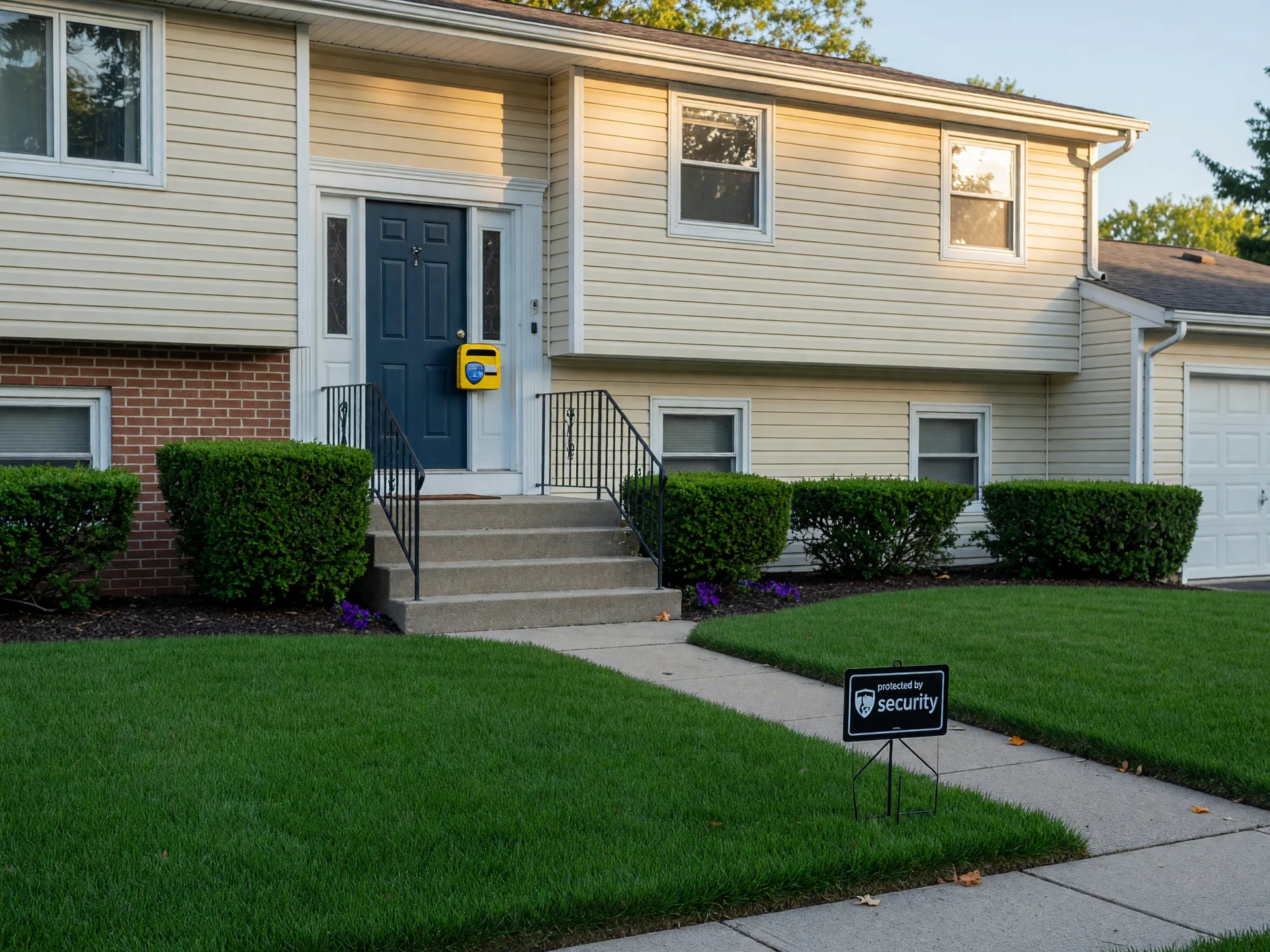
On the day she was appointed Personal Representative, Maria changed all the exterior locks and installed a keyless entry system. She contacted the insurance company, informed them of the vacancy, and upgraded to a vacant property policy for an additional $28 per month. She set the thermostat to 58 degrees and arranged for a neighbor to collect the mail daily.
Maria hired a lawn service to mow every two weeks. She installed two motion-activated security cameras, one at the front door and one covering the back entrance. She visited the property every Saturday morning, walked through every room, checked for leaks, and documented the condition with photos. She asked the next-door neighbor to call her if anything seemed unusual.
When a small leak developed in the kitchen supply line six weeks into the process, Maria discovered it during her weekly inspection. The water had only been dripping for a few hours. She shut off the water, called a plumber, and had the repair done for $175. The total damage was limited to a small area of cabinet flooring that cost $60 to replace.
By the time the home sold four months later, the estate had spent approximately $1,200 on security, maintenance, and inspections. The home sold for $565,000, very close to its appraised value at the time of Mr. Patterson's death. The modest upfront investment in security and maintenance saved the estate tens of thousands of dollars in potential losses.
Common Mistakes
Personal Representatives make the same mistakes with vacant probate properties over and over again. Here are the most common ones to avoid:
- Waiting too long. The first week is critical. Delaying basic security measures invites problems that grow exponentially over time.
- Not notifying the insurance company. Assuming the existing policy will cover a vacant property is one of the costliest mistakes a Personal Representative can make.
- Turning off all utilities. While this saves money on bills, it also disables security systems, sump pumps, and heating, creating new risks.
- Forgetting about the outside. An overgrown lawn, snow-covered walkways, and piled-up mail all signal that the home is unoccupied.
- Relying on family to check in. Well-meaning relatives often forget or grow tired of checking the property. Hire a professional or set a firm schedule.
- Ignoring small problems. A small roof leak, a dripping pipe, or a cracked window will not fix itself. Address issues immediately before they become expensive emergencies.
- Failing to document. Without photographs and written records, you have no way to prove what condition the property was in or what actions you took.
Questions to Ask
Before you walk away from a vacant probate property, ask yourself these questions:
- Have I changed or rekeyed all exterior locks?
- Does the insurance company know the property is vacant?
- Is the water shut off or the heat set high enough to prevent freezing?
- Has mail forwarding been set up?
- Is there a working security system or cameras?
- Have I arranged for lawn care and snow removal?
- Have I introduced myself to the neighbors?
- Do I have a schedule for regular inspections?
- Have I removed or secured all valuables?
- Have I documented the property's condition with photos and notes?
Marc's Advice
With 27 years and close to 1,000 homes sold, I have seen every mistake a family can make with a vacant inherited home. I have seen estates lose six figures because a Personal Representative thought they had time to deal with the property later. They did not. The property does not wait.
Here is the truth: securing a vacant probate home is not complicated, but it does require immediate, intentional action. You cannot afford to wait until after the funeral, after the will is read, or after the court appoints you. If you know you will be the Personal Representative, start the process the day you learn the home is part of the estate.
The costs of securing a property are modest: a few hundred dollars for locks, a few hundred for insurance upgrades, and a few hundred more for lawn care and inspections over the life of the probate process. The costs of not securing a property are catastrophic: tens of thousands in damage, legal liability, and family conflict.
I always tell Personal Representatives: act like you are spending your own money. Would you let your own home sit unlocked with the pipes at risk of freezing? Of course not. Treat the estate's property the same way.
If This Were My Family
If my mother passed away and I were the Personal Representative, here is exactly what I would do in the first 48 hours:
- Go to the property immediately and assess the condition.
- Change every exterior lock or install a keyless entry system.
- Call the insurance agent and notify them of the vacancy.
- Shut off the main water supply or set the thermostat to a safe temperature.
- Set up mail forwarding at the post office.
- Ask a trusted neighbor to keep an eye on the home.
- Arrange for the lawn to be mowed within the week.
- Remove cash, jewelry, firearms, and other valuables.
- Document the home's condition with photographs and written notes.
- Schedule the first weekly inspection.
After those steps, I would start thinking about the longer-term plan for the property: whether to sell, how to sell, and what the best timeline looks like. Those decisions are important, but they come after the home is secure.
If you are ready to learn what the property could sell for, get an instant offer and compare your options. Knowing the numbers helps you make informed decisions about how long to hold the property and what level of security and maintenance makes financial sense.
Frequently Asked Questions
How soon should I secure a vacant probate home?
Immediately. The first 48 hours are critical. Secure the property as soon as you know it is part of an estate, even before you are formally appointed as Personal Representative by the court.
Can I be held personally liable if the property is damaged?
Yes. As Personal Representative, you have a fiduciary duty to protect the estate's assets. If you fail to take reasonable steps to secure and maintain the property, you could be held personally liable for losses.
Should I turn off the water in a vacant probate home?
In most cases, yes, especially during winter. Shut off the main water supply and drain the pipes. If you need water available for showing the home, keep the heat at 55 degrees or higher and inspect regularly for leaks.
Will my insurance cover a vacant probate property?
Standard homeowner's policies often have vacancy clauses that limit or deny coverage after 30 to 60 days. You must notify the insurance company and ask about a vacant property policy or endorsement.
How can I prevent squatters from moving in?
Secure all entry points with deadbolts and window locks, post No Trespassing signs, install motion-activated lights and cameras, and inspect the property at least once a week. If you find evidence of squatters, contact law enforcement immediately.
How often should I inspect a vacant probate home?
At least once a week. More often during winter, after storms, or if the property is in an area with higher crime rates. A regular schedule helps you catch small problems before they become expensive emergencies.
How much does it cost to secure a vacant probate home?
Most estates spend between $1,000 and $2,500 over the course of probate on locks, insurance upgrades, lawn care, inspections, and minor repairs. This investment is small compared to the tens of thousands in damage that can result from neglecting the property.
What documents do I need to manage a vacant probate property?
You need the death certificate, your Letters of Administration or Personal Representative appointment from the court, the property deed or tax records, the existing insurance policy, and any utility account information. See our guide on what documents you need to sell a probate house in Maryland for a complete checklist.
Should I sell the probate home quickly or wait for the market to improve?
Every month the property sits vacant, the estate pays carrying costs and assumes additional risk. Compare your options using the Probate Value Analysis. Our guide on how to evaluate every selling option can help you make an informed decision.
Vacant Home Security Checklist
Print this checklist and use it as you secure the property. Check off each item as it is completed.
- Day 1: Visit the property and assess condition.
- Day 1: Change or rekey all exterior locks.
- Day 1: Contact insurance company and notify of vacancy.
- Day 1: Remove all visible valuables (cash, jewelry, firearms, documents).
- Day 1: Photograph every room and the exterior from all angles.
- Day 1-2: Introduce yourself to neighbors and exchange contact information.
- Day 1-2: Set up mail forwarding with USPS.
- Day 1-2: Arrange for water shutoff or set thermostat to 55 degrees minimum.
- Day 1-3: Arrange for lawn care service.
- Day 1-7: Install or activate security system and cameras.
- Day 1-7: Transfer utility accounts to the estate.
- Day 1-7: Remove garbage, perishable food, and any items that could attract pests.
- Day 1-7: Post No Trespassing signs if appropriate.
- Weekly: Inspect property inside and out.
- Weekly: Check for leaks, pest activity, and signs of forced entry.
- Weekly: Collect any mail that was not forwarded.
- Monthly: Test smoke detectors and carbon monoxide detectors.
- Seasonal: Clean gutters and trim landscaping.
- Seasonal: Arrange snow removal as needed.
Key Takeaways
- The first 48 hours after learning a property is part of an estate are critical. Act immediately to secure the home.
- Change the locks, notify the insurance company, and manage utilities within the first week.
- Mail forwarding, neighbor communication, and regular inspections cost very little but provide enormous protection.
- Preventing vandalism and squatters requires visible security: lights, cameras, signage, and a maintained exterior.
- Document everything. Photographs and written records protect you from liability and help with insurance and tax matters.
- A modest upfront investment in security saves the estate from catastrophic losses later.
- Every month the property sits vacant adds carrying costs and risk. Evaluate your selling options early.
Next Steps
Securing a vacant probate home is the first and most urgent step, but it is only the beginning. Once the property is safe, you need a plan for what comes next. Should you sell as-is or make repairs? Should you list on the open market or accept a cash offer? Every decision has financial consequences for the estate and its beneficiaries.
Get an instant offer to see what the property could sell for in its current condition, no obligation and no pressure. You will also need the right documents, proper insurance coverage, and a clear understanding of your options. Use the resources on this site to build your knowledge, and reach out to a probate real estate specialist if you need guidance.
If you are ready to take the next step, schedule a free consultation to discuss your specific situation. We serve Personal Representatives and families throughout Maryland, Virginia, and Washington DC, and we have helped close to 1,000 families navigate the probate real estate process.
Protecting the Estate Starts with the First Step
We help Maryland Personal Representatives protect and sell probate properties every day. Our services include: property inspections and security assessments, insurance coordination, contractor referrals, estate clean-out coordination, multiple cash offer comparisons, and full-service probate real estate representation.
If you are responsible for a vacant probate property in Maryland, Virginia, or Washington DC, contact us for a free consultation. We will help you protect the home's value and develop the right selling strategy for your situation.
Legal Note
For legal questions about your responsibilities as a Personal Representative, consult a competent Maryland probate attorney.
Legal Note
Court requirements vary depending on the circumstances of the estate. Consult your probate attorney for guidance.