How Probate Works
March 15, 2023 · Marc Cormier
What to Do When You Inherit a House: DC, Maryland, or Virginia
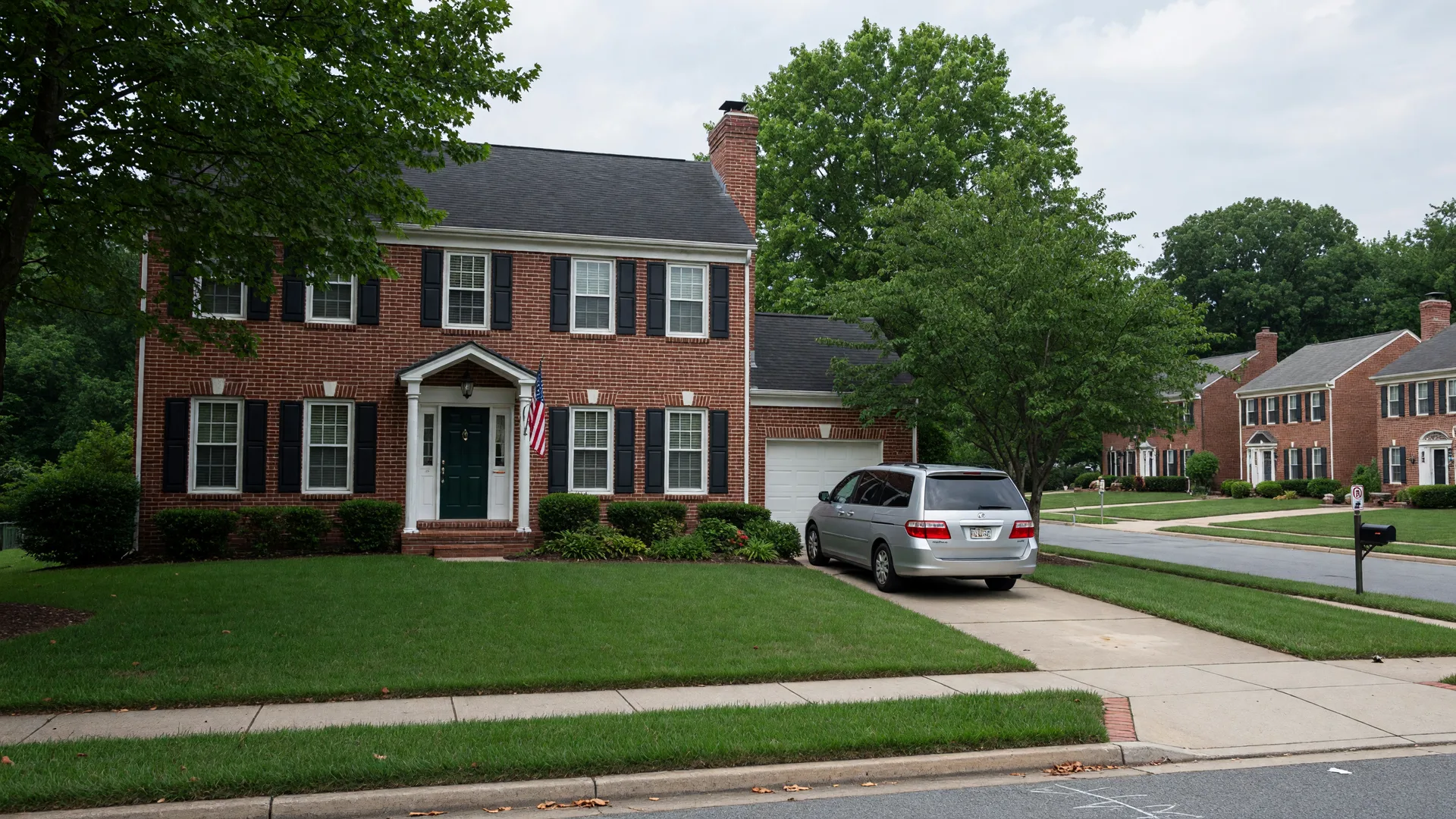
Inheriting a house is rarely a simple event. It arrives wrapped in grief, uncertainty, and a set of legal and financial questions that most people have never faced before. If you have inherited property in the District of Columbia, Maryland, or Virginia, the first thing to understand is that the process varies significantly depending on where the property is located.
Start With the Will, or Lack of One
The first question is whether the decedent had a will. If they did, the will names a personal representative and specifies how assets should be distributed. If there is no will, the court follows intestacy laws, which differ in DC, Maryland, and Virginia. In all three jurisdictions, a personal representative will need to be appointed before any action can be taken with the property.
Understand Your Fiduciary Responsibility
If you are named the personal representative, you have a fiduciary duty to all beneficiaries. This means you must act in the best interests of the estate. Every decision about the property, from maintenance to pricing to accepting an offer, must be defensible and documented.
The Step-Up in Basis Rule
One of the most important tax concepts for inherited property is the step-up in basis. When you inherit a home, the property's cost basis is reset to its fair market value at the time of the original owner's death. This can significantly reduce or eliminate capital gains tax if you sell the property. For example, if your parent purchased a home in Montgomery County, Maryland for $150,000 and it is worth $750,000 at the time of death, your cost basis is $750,000, not $150,000.
State-Specific Considerations
Maryland: Estates valued at $50,000 or less qualify for small estate procedures. The state has an estate tax with an exemption around $5 million. Real estate sales during probate require court oversight.
Virginia: The small estate threshold is $50,000. Virginia does not have a state estate tax. The probate process can be relatively streamlined for straightforward estates.
District of Columbia: DC has its own probate court and its own estate tax. The process can be more complex than in Maryland or Virginia, and professional guidance is essential.
The Keep vs. Sell Decision
This is the decision every heir faces. Keeping the property means taking on the ongoing costs of ownership, including mortgage payments, property taxes, insurance, and maintenance. Selling means navigating the probate process, potentially making repairs, and working within the court system. Neither option is wrong, but the decision should be made with full information and professional guidance.
Get Professional Help Early
The best time to engage a probate attorney, an accountant, and a probate real estate specialist is at the beginning, not after problems have developed. Early guidance prevents costly mistakes and ensures the estate is handled correctly from the start.
If you have inherited property in DC, Maryland, or Virginia, reach out for a consultation. Marc Cormier specializes in probate real estate transactions in the DMV area and can help you understand your options.
Legal Note
For legal questions about your responsibilities as a Personal Representative, consult a competent Maryland probate attorney.
Legal Note
Consult your CPA or tax advisor regarding the tax consequences of your specific situation.