Probate Guide
August 8, 2026 · Marc Cormier
You Inherited the House. Now What?
Legal Disclaimer
This guide provides general information about inherited homes and probate real estate. It is not legal or tax advice. Every estate is different. Consult qualified counsel for your specific situation.
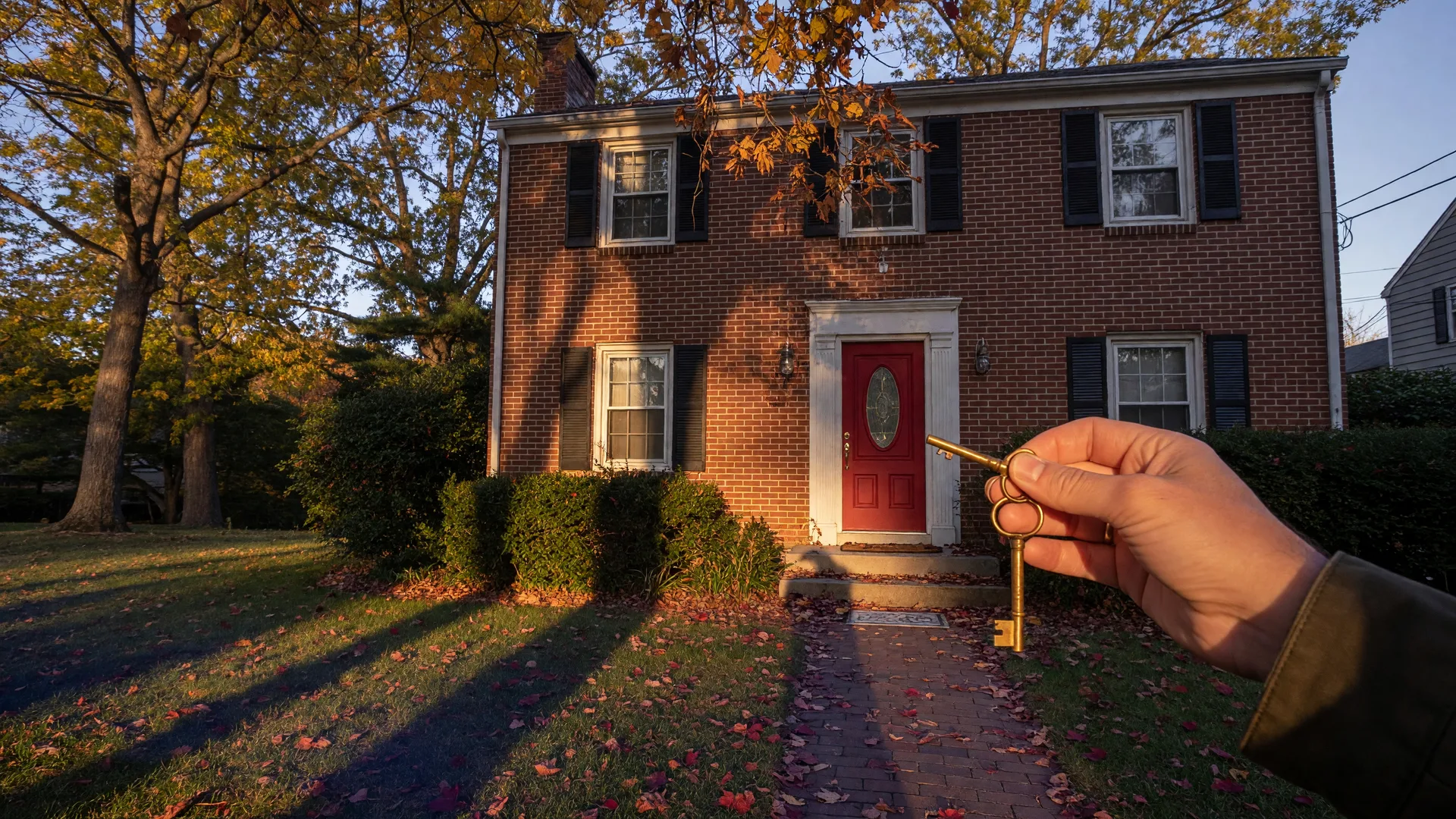
Your mom passed away in March. By June, you and your two brothers own a house together. Nobody planned for this. Nobody sat down and talked about it while she was alive. Now you're standing in her kitchen deciding what happens next.
CNBC covered this exact situation in a recent piece on inherited homes. The story follows families working through the same three options every heir faces. Sell it. Rent it. Keep it. Financial advisors interviewed for the piece made one point clear. There is no universal right answer. The right call depends on your family, your finances, and how honest everyone is willing to be with each other.
I've sat across the table from families in exactly this spot. Here's what actually matters when you're the one holding the keys.
The Tax Clock Starts Ticking Immediately
When someone dies, the home's cost basis resets to fair market value on the date of death. That reset works in your favor. It means you're not taxed on decades of appreciation your parents saw. You're only taxed on what happens after you inherit it. This is why getting an appraisal fast matters. Estate attorneys recommend doing it right after the owner passes. Wait six months and the market moves. The house appreciates. Now you owe capital gains tax on that gain, even though you never touched a dime of it. Families who sell close to that appraised value keep more of what they inherited. Families who wait, hoping the market climbs higher, sometimes hand a chunk of that gain straight to the IRS.
Related
For a deeper look at the sell-versus-keep decision, read Inherited Home: To Sell or Keep? for a full breakdown of the financial and emotional factors at play.
Siblings Rarely Want the Same Thing
This is where families get stuck. One sibling needs cash now. Another wants to hold the house as a rental. A third has a childhood attachment to the place and can't imagine selling. None of these positions are wrong. But a house cannot serve three different goals at once. If one sibling wants to keep the home, the honest path is a buyout. They pay the others for their share of the equity, based on a fair appraisal minus what it would actually cost to sell on the open market. Skip that step and you end up with resentment that outlasts the transaction by years. If nobody can agree, a temporary rental arrangement sometimes buys the family time to figure out the long-term plan without forcing a decision under pressure.
Related
When heirs disagree about what to do with the family home, the situation can stall for months. Read Heirs Disagree About Selling the House? A Complete Maryland Probate Guide for practical steps to resolve the conflict.
Keeping the House Costs More Than People Expect
A house is not a static asset. It's a bill you now own. Property taxes keep coming. Insurance premiums often increase after a policy transfers. Deferred maintenance surfaces fast once nobody's living there full time. A vacant home draws different insurance risk than an occupied one. Advisors quoted in the CNBC piece compared inheriting a home to managing a small business. You have to know what the property needs and have the cash flow to cover it. Sentiment doesn't pay the roofer.
Where This Usually Goes Wrong
Families don't fail because the math is hard. They fail because nobody had the conversation before grief showed up. Decisions made under deadline pressure, with siblings who haven't spoken about money before, produce the most expensive mistakes I see. A property sits empty for eight months while everyone avoids the conversation. Taxes and insurance keep accruing the whole time. By the time the family agrees to sell, they've paid for a decision they could have made in week two.
What To Do This Week
If you're the Personal Representative or the family member everyone's looking at, here's where to start.
- Get the home appraised now. Don't wait for the market to "settle."
- Get a clear number on what's owed. Mortgage, liens, back taxes.
- Have the sell, rent, or keep conversation with every heir in the room, not over group text.
- Bring in a real estate agent who has actually handled probate and estate sales before you list anything or sign anything.
That last one matters more than people think. Probate real estate isn't the same transaction as a normal resale. Court timelines, personal representative authority, and multiple heirs all change how the sale needs to move. An agent who hasn't done this before will slow you down and cost you money. For a comparison of all five selling options, see our guide to the best way to sell inherited property. If you're navigating this right now and want a second set of eyes on your specific situation, reach out. I've spent 27 years helping families through exactly this moment.
Get a Clear Picture First
Before you make any decision about an inherited property, get the full financial picture. The Probate Value Analysis gives you the as-is value, estimated net proceeds, and a recommended selling strategy, all in one free consultation with no obligation.
About the Author
Marc Cormier is a REALTOR specializing in probate, estate, and bankruptcy trustee real estate transactions across Maryland, DC, and Virginia.
Frequently Asked Questions
What happens when siblings inherit a house together?
They become co-owners and must agree on whether to sell, rent, or keep the property. Disagreements can be resolved through buyouts, mediation, or court action.
How does the stepped-up cost basis work?
When you inherit a home, the cost basis resets to fair market value on the date of death. You're only taxed on appreciation after that date.
Should we get an appraisal right away?
Yes. Getting an appraisal soon after the owner passes protects the estate from capital gains tax on market appreciation.
What if siblings can't agree on what to do with the house?
Options include buyouts, temporary rental arrangements, or mediation. If those fail, court action may be necessary.
How much does it cost to keep an inherited house?
Costs include property taxes, insurance, maintenance, utilities, and potential HOA fees. These expenses continue every month the property is held.