Property & Finance
April 10, 2021 · Marc Cormier
Probate Selling Real Estate
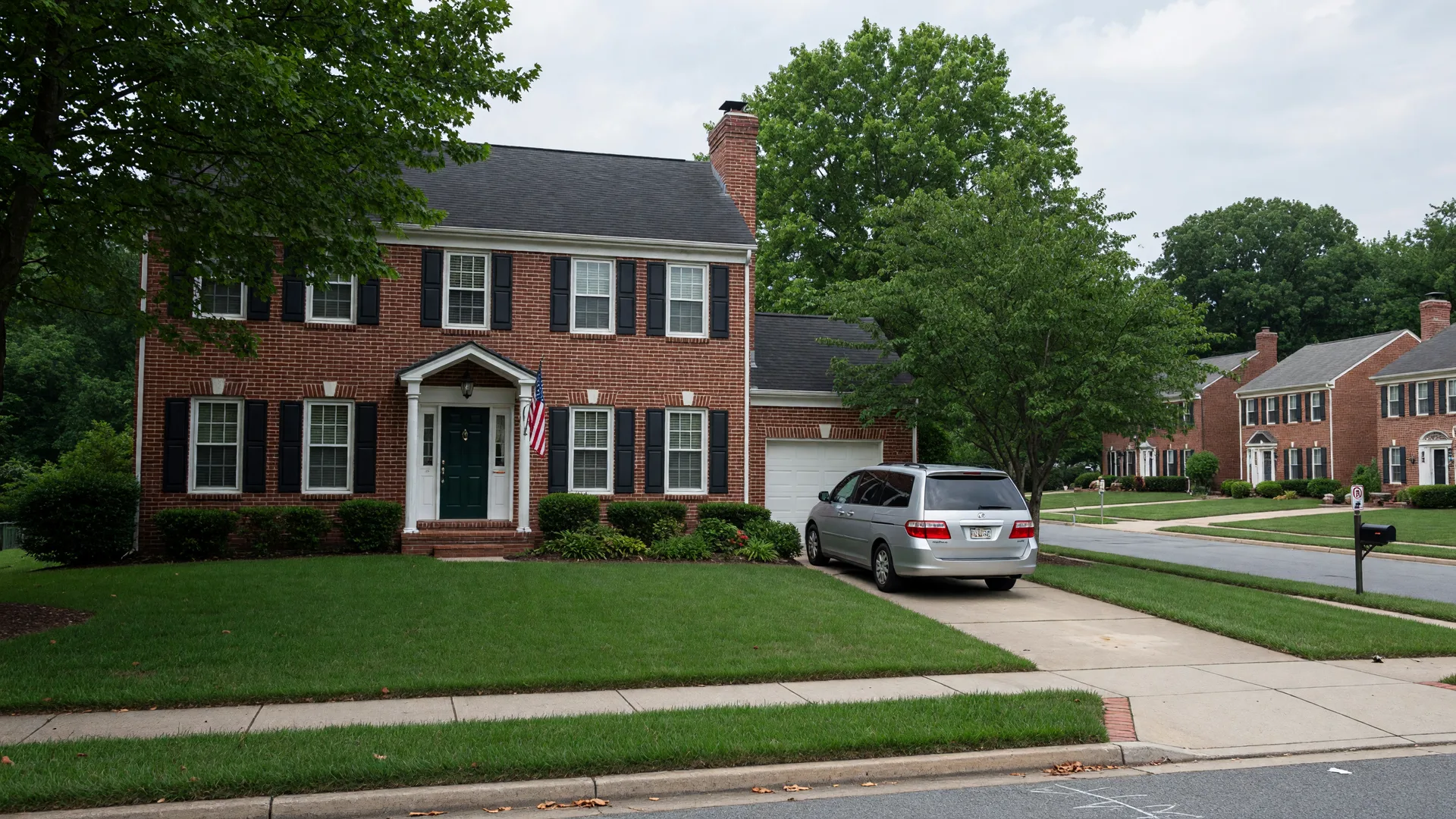
Selling real estate during probate is different from a standard property sale. The court is involved, the timeline is governed by legal proceedings, and the personal representative has fiduciary obligations that do not exist in a standard transaction. Understanding these differences is essential for anyone tasked with selling a probate property.
Court Involvement in Sales
Unlike normal property sales, offers on probate properties must go through the court. The terms of sale must be accepted by the administrator and approved by the court. This adds a layer of process, but it also provides a level of protection for the estate and its beneficiaries. The court ensures the sale is conducted at fair market value and in the best interests of the estate.
The Complete Selling Process: Step by Step
Understanding the full sequence of a probate sale helps you plan and avoid surprises. Here is how the process typically works in Maryland.
Step 1: Appointment of Personal Representative. Before anything happens with the property, the court must appoint someone with legal authority to act. This happens at the Register of Wills office in the county where the deceased lived. If there is a will naming an executor, that person files the will and receives Letters of Administration. If there is no will, someone must petition to be appointed.
Step 2: Property Appraisal. The personal representative must obtain a professional appraisal to establish the fair market value of the property. This appraisal is filed with the court as part of the estate inventory, which is due within 90 days of appointment in Maryland.
Step 3: Listing and Marketing. Once the personal representative has authority and the appraisal is complete, the property can be listed for sale. A probate real estate specialist markets the property, schedules showings, and negotiates offers. The listing agreement must be signed by the personal representative.
Step 4: Offer Acceptance and Court Steps When Required. When an offer is accepted, the personal representative confirms with the estate attorney whether the sale needs court approval; in Maryland, approval is not the default unless the will or a court order limits the power to sell. When court approval does apply, it requires filing the sales contract, the appraisal, and documentation showing that the property was adequately marketed. The court sets a hearing date, and notice is sent to all interested parties.
Step 5: Court Hearing. At the hearing, the judge reviews the sale terms. Beneficiaries and creditors have the opportunity to object. If the court approves the sale, the personal representative receives an Order to Convey Real Property.
Step 6: Closing. With the court order in hand, the sale proceeds to closing. Proceeds first pay off any liens, mortgages, and closing costs. The remaining funds are held in the estate account during the creditor claim period before being distributed to heirs.
Marketing and Listing
Once the estate's authority to sell is confirmed, the property can be listed and marketed through a real estate agent in much the same way as other types of properties, as long as the property is physically ready to be sold. The key difference is the legal authority requirement and the additional documentation needed for the transaction.
Property Preparation
If the property needs renovations and repairs before selling, working with professionals who understand probate requirements is important. The scope of repairs must be reasonable and defensible, as the court and beneficiaries will evaluate whether the expenditures were appropriate. A probate real estate specialist can advise on which improvements provide the best return and which are unnecessary.
Maryland-Specific Timeline Considerations
In Maryland, the entire probate sale process typically takes 4 to 6 months from appointment to closing, assuming no complications. The inventory must be filed within 90 days. The creditor claim period is 6 months from the date of death. When a will restriction, a sale to the Personal Representative, or a family dispute brings the court in, the court approval process for a sale adds 4 to 8 weeks depending on the county and court calendar. Montgomery County and Prince George's County courts tend to have fuller dockets, which can add time.
A common Maryland scenario: an estate in Bethesda with three adult children as beneficiaries. The house needs cosmetic updates. The personal representative files the will in Montgomery County Register of Wills, gets the appraisal done within 3 weeks, lists the property, receives multiple offers, and petitions the court for approval. The court hearing is scheduled 5 weeks out. From date of death to closing, this scenario typically runs about 5 months. Without court approval delays, the actual market time for a well-priced Bethesda home is often under 30 days.
Family Dynamics
The personal representative's responsibilities go beyond finances and real estate. Family members may want to rent, live in, or buy the property. These requests, while understandable, must be handled within the framework of fiduciary duty. The property must be treated as an asset of the estate, and any transaction with an interested party requires transparency and, often, court approval.
The Proceeds Hold Period
After the house is sold, there may be a hold placed on the proceeds. This is typically six months, though some jurisdictions differ. During the hold period, creditors have the opportunity to file claims against the estate. After the hold expires and all claims are resolved, proceeds are distributed to heirs as named in the will or determined by intestacy law.
Maryland Probate Tip
Maryland Probate Tip
In Maryland, the personal representative sells estate property without court approval under Estates and Trusts Section 7-401, unless the will or a court order limits that power. Check the will language carefully with your attorney. If the will restricts the power to sell, or if a situation like a sale to the Personal Representative or a family dispute brings the court in, you will likely need a court order. If it is silent or uses general language about "administering the estate," Maryland law still gives the personal representative the statutory power to sell.
Marc's Advice
Marc's Advice
I have guided hundreds of probate sales from listing to closing. The most important decision you will make is how you price the property. Probate properties sold above market value sit on the market, deteriorate further, and ultimately sell for less than if they were priced right from the start. Price it based on the appraisal and the as-is condition, not on what the heirs hope it is worth. A clean, well-priced probate sale closes faster and nets more money for the estate than overpricing and chasing the market down.
If This Were My Family
If This Were My Family
If my own family were selling my aunt's house in Rockville through probate, here is what I would advise. I would tell my cousin, the personal representative, to work with a probate real estate agent from day one, not after the appraisal is done. I would want that agent at the table when we review the appraisal and decide on pricing. I would push for a pre-listing inspection so there are no surprises during the buyer's due diligence. And I would tell everyone to be realistic about the timeline: from the day we file the will, we are looking at 4 to 6 months before the proceeds are distributed. Budget accordingly and do not make financial promises to the heirs based on a hoped-for closing date.
If you are selling real estate through probate in Maryland, DC, or Virginia, reach out for a consultation. Marc Cormier and his team handle the full lifecycle of probate property transactions, from court filings to closing.
For a detailed look at the entire sale process, read the Complete Guide to Selling a Probate House and the Personal Representative Guide.
Legal Note
For legal questions about your responsibilities as a Personal Representative, consult a competent Maryland probate attorney.
Legal Note
Court requirements vary depending on the circumstances of the estate. Consult your probate attorney for guidance.