Insurance
April 4, 2023 · Marc Cormier
Verifying Property Insurance and Notifying Insurers of Vacancies as a Personal Representative of an Estate
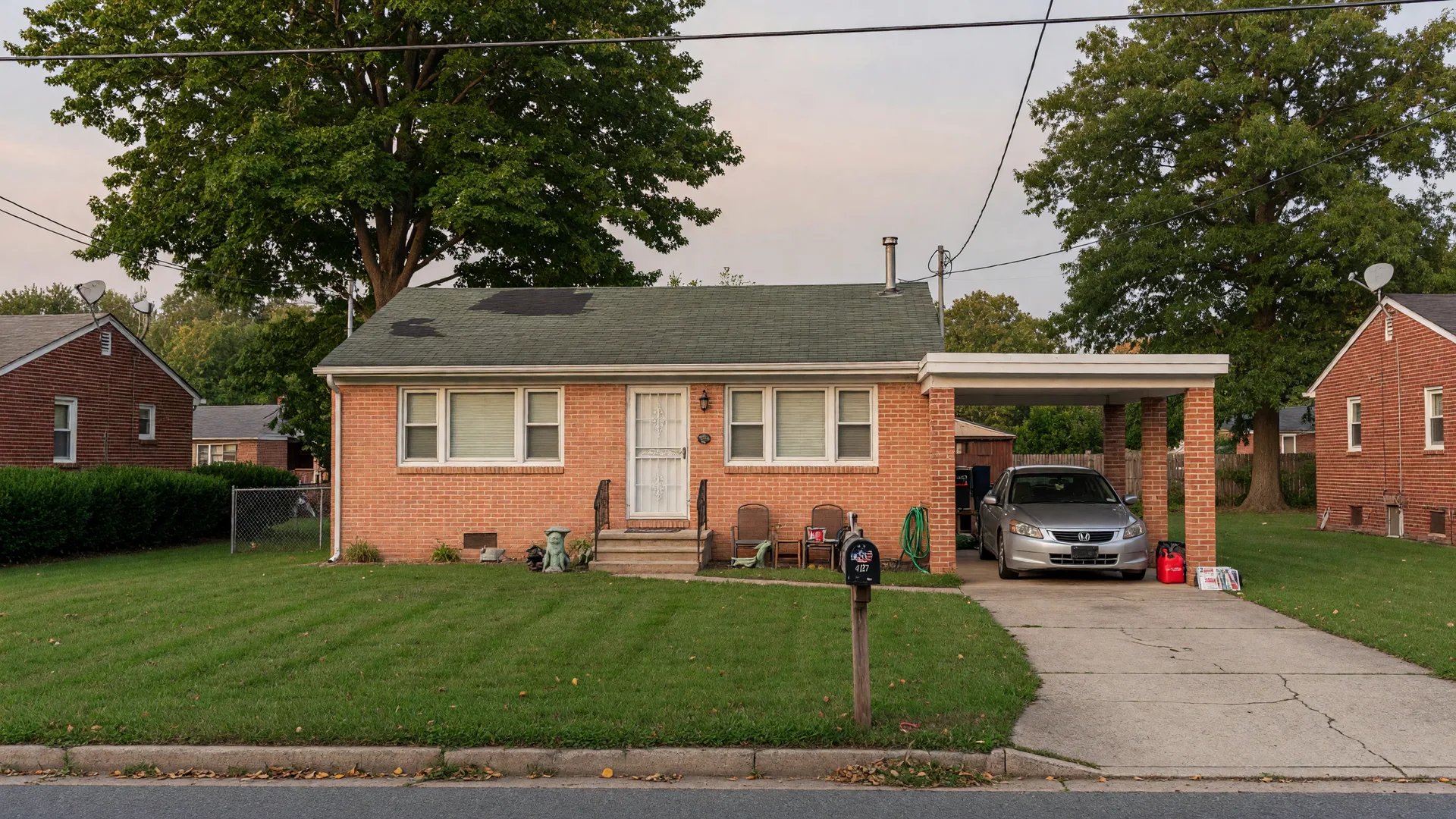
The role of a personal representative is to manage the affairs of a deceased person's estate with care and diligence. Among the most critical and often overlooked responsibilities is verifying property insurance coverage and notifying insurers when a property becomes vacant during the probate process.
Why Insurance Verification Matters
Standard homeowner's insurance policies are designed for occupied properties. When a property becomes vacant, which often happens during probate, the insurer's risk profile changes significantly. Most standard policies contain vacancy clauses that reduce or cancel coverage after 30 to 60 days of vacancy. If the personal representative is unaware of this provision, the estate's most valuable asset may be uninsured without anyone knowing it.
The Fiduciary Obligation
As a personal representative, you have a fiduciary duty to protect estate assets. This includes ensuring that real property remains adequately insured throughout the probate process. Failing to verify insurance or disclose a vacancy to the insurer can result in a coverage gap that exposes the estate to significant financial loss. If the property is damaged while uninsured, the personal representative could be held personally liable.
Understanding Vacancy Clauses in Maryland Policies
Most standard homeowner's insurance policies used in Maryland include a vacancy provision that works like this. If the property is vacant for more than 60 consecutive days, coverage for certain perils is suspended. The specific perils that are typically excluded during vacancy include vandalism, malicious mischief, glass breakage, water damage (from frozen pipes, for example), and theft.
This means that if a vacant probate property in Bethesda is vandalized on day 61 of vacancy, the estate may have no coverage for the damage. Fire and certain other perils may still be covered, but the reduced coverage creates a significant gap. The personal representative who does not know about the vacancy clause is making decisions based on a false sense of security.
I worked with a family in Prince George's County where the estate property was vacant for four months while the probate process moved slowly. A pipe burst in the attic during a January freeze, causing $30,000 in water damage. The insurance company denied the claim because the policy's vacancy clause had been triggered at 60 days. The estate had to cover the repairs from the sale proceeds, reducing what the heirs received by $30,000. A vacant property endorsement would have cost approximately $200 for the four-month period.
Steps to Take Immediately
When a property becomes vacant as part of an estate, the personal representative should: contact the current insurance agent or company, verify the current coverage and any vacancy provisions, disclose the vacancy in writing, ask about vacant property coverage options, and document all communications. This should happen as soon as the property becomes vacant, not weeks or months later.
What to Ask Your Insurance Agent
When you call the insurance company, ask these specific questions. Does the current policy have a vacancy clause? How many days of vacancy are allowed before coverage changes? What perils are excluded during vacancy? Can we add a vacant property endorsement to the existing policy? How much does the endorsement cost? If the endorsement is not available, what standalone vacant property policies do you offer?
Write down the answers and the name of the person you spoke with. Insurance companies keep records of every call, and your documentation protects you if a coverage question arises later. I recommend following up any phone conversation with a written email confirming what was discussed.
Vacant Property Insurance Options
If the standard policy does not provide adequate vacant property coverage, the personal representative should explore options: a vacant property endorsement on the existing policy, a separate vacant property insurance policy, or a builder's risk policy if repairs are planned. The cost of vacant property insurance is higher than standard coverage, but it is far less than the cost of an uninsured loss.
Additional Steps to Protect the Vacant Property
Insurance is only one part of protecting a vacant estate property. Here are additional steps every personal representative should take. Change the exterior locks and ensure all windows are secure. Have a neighbor or family member check the property weekly and report anything unusual. Keep the exterior maintained: mow the lawn, remove snow from walkways, and maintain the landscaping. A property that looks cared for is far less likely to be targeted by vandals or squatters.
Shut off the water at the main valve if the property will be vacant during winter months to prevent frozen pipe damage. If you leave the heat on, set it no lower than 55 degrees. Notify the local police department that the property is vacant and provide a contact person. Many police departments in Maryland will add vacant properties to their patrol routes if requested.
I had a case in Montgomery County where the family followed none of these steps. The property was vacant for three months, the lawn grew waist-high, neighbors complained, and the county cited the estate for code violations. By the time the family got the property ready to sell, the condition had deteriorated significantly, and the property sold for $60,000 less than the appraised value. Most of that loss could have been prevented with weekly visits and basic maintenance.
Maryland Probate Tip
Maryland Probate Tip
In Maryland, if the deceased had a mortgage on the property, the lender's force-placed insurance may kick in if the homeowner's policy lapses. Force-placed insurance is significantly more expensive than standard coverage and covers only the lender's interest, not the estate's equity. A $500,000 house with a $200,000 mortgage could have the structure covered for $200,000 while the estate's $300,000 equity is uninsured. Never rely on force-placed insurance as a backup. Maintain your own coverage.
Marc's Advice
Marc's Advice
I tell every personal representative I work with to call the insurance company on the same day they file the will. Not next week, not when they get around to it. The same day. Insurance is the cheapest form of estate protection you can buy, and a lapse in coverage can wipe out the estate's equity in a single weather event. The call takes 20 minutes and costs nothing. The protection it provides is worth hundreds of thousands of dollars.
If This Were My Family
If This Were My Family
If my own family were dealing with my aunt's vacant house in Rockville, here is exactly what I would do. I would call the insurance agent within 24 hours of the funeral. I would ask specifically about the vacancy clause and request a vacant property endorsement in writing. I would change the locks, set the thermostat to 55 degrees, and ask a neighbor to check the property every Tuesday and Thursday. I would keep a log of every visit and every expense in a shared online document that all the beneficiaries could see. And I would sell the property as quickly as possible, because every month it sits vacant costs the estate money and increases the risk of something going wrong.
Documentation Protects You
Keep records of every communication with the insurance company: dates, names of representatives spoken to, written notices sent, and any changes made to the policy. This documentation is your protection if a coverage question arises later. If the property is damaged, your documentation proves that you fulfilled your fiduciary duty.
If you are a personal representative managing estate property and need guidance on insurance and property management during probate, reach out for a consultation. Marc Cormier can help you navigate the practical details of estate property management. For a complete overview of the probate process in Maryland, read the Complete Guide to Probate in Maryland. The Personal Representative Guide covers all your duties in detail, including property management and asset protection.
Have questions about insuring a vacant probate property? Schedule a free consultation with Marc Cormier to discuss your specific situation.
Legal Note
For legal questions about your responsibilities as a Personal Representative, consult a competent Maryland probate attorney.