Reverse Mortgages

April 6, 2021 · Marc Cormier

Selling a Home with a Reverse Mortgage: Things You Should Know
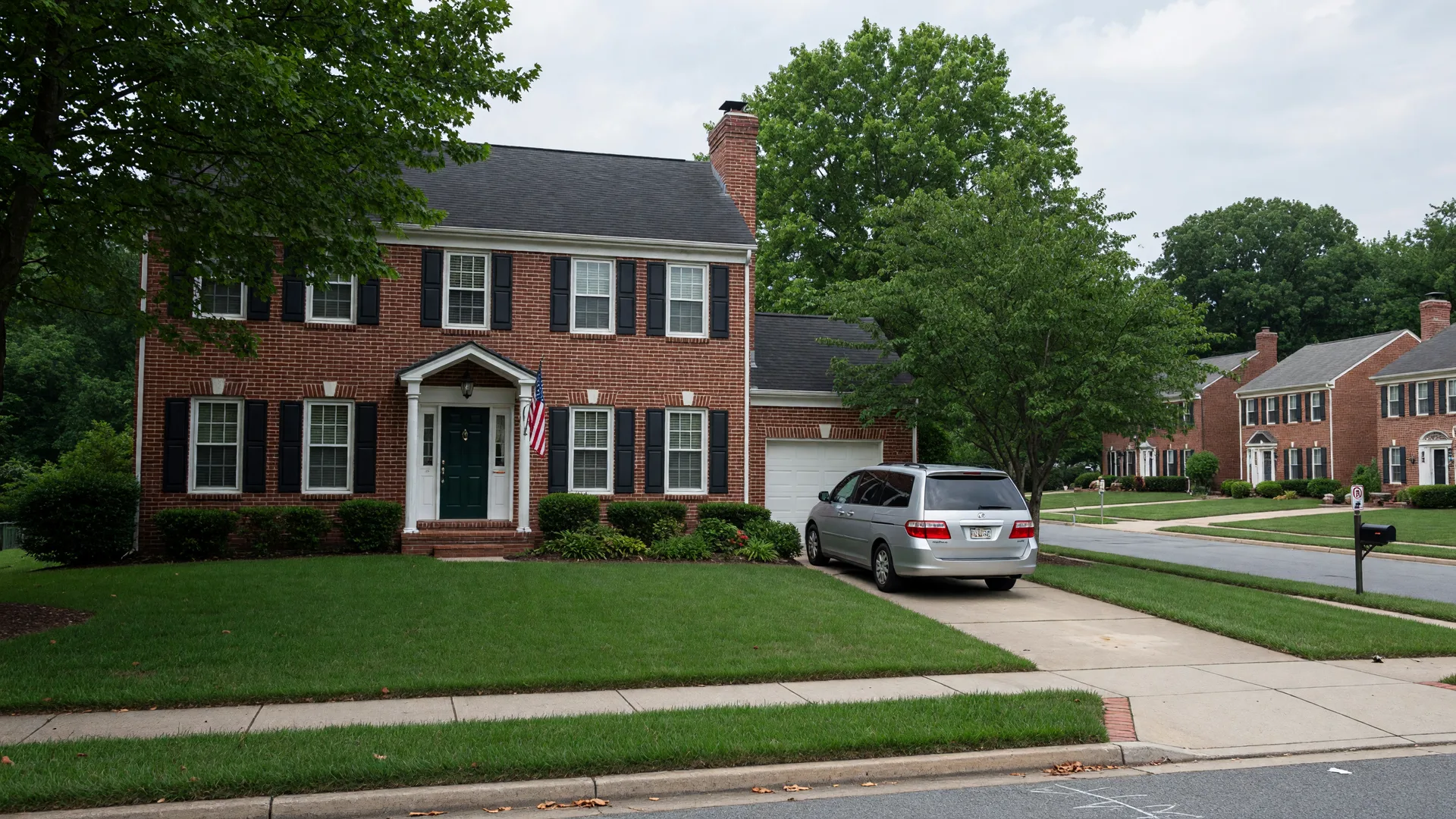
Well-maintained suburban home with reverse mortgage sign, welcoming porch, mature landscaping
Reverse mortgages become due when the borrower passes away, creating specific obligations for heirs.

Financial planning for senior homeowners in the United States was changed forever in 1988 when the Home Equity Conversion Mortgage (HECM) program was created. Reverse mortgages have allowed millions of seniors to access the equity in their homes without making monthly payments. But when the homeowner passes away, the heirs and the estate face specific obligations.

How Reverse Mortgages Work

A reverse mortgage allows homeowners aged 62 and older to convert a portion of their home equity into cash. Unlike a traditional mortgage, the borrower makes no monthly payments. Instead, the loan balance grows over time as interest accrues. The loan becomes due when the last surviving borrower permanently leaves the home, whether through death, sale, or relocation.

What Happens When the Homeowner Dies

When the last surviving borrower dies, the reverse mortgage becomes due and payable. The lender will send a Due and Payable notice to the estate. The heirs have a limited time to either sell the property, pay off the loan with other funds, or turn the property over to the lender. The timeline varies, but typically the estate has 30 days to notify the lender and several months to resolve the loan.

The Non-Recourse Protection

One of the most important features of a reverse mortgage is its non-recourse nature. This means the borrower and the estate will never owe more than the home's fair market value at the time the loan is repaid. If the loan balance exceeds the property's value, the difference is covered by the FHA insurance fund. The heirs are never personally liable for the shortfall.

Selling the Property

The most common resolution is to sell the property. The sale proceeds are used to pay off the reverse mortgage loan. If the sale price exceeds the loan balance, the difference goes to the estate. If it falls short, the non-recourse protection covers the gap. The personal representative must work with the lender to coordinate the payoff and ensure a smooth closing.

"A reverse mortgage does not have to be a crisis for the estate. Understanding the timeline, the options, and the non-recourse protection turns a complex situation into a manageable one."

If you are dealing with an estate that includes a reverse-mortgaged property, reach out for guidance. Marc Cormier understands the specific requirements of reverse mortgage resolutions and can help the estate navigate the process efficiently.
Legal Disclaimer

The information in this guide is provided for educational purposes only and is not legal, tax, or financial advice. Probate laws vary, and every estate is different. Marc Cormier and Berkshire Hathaway HomeServices PenFed Realty are not acting as your attorneys or accountants. Before making legal decisions regarding an estate, consult with a competent Maryland probate attorney or other qualified professional familiar with your specific circumstances.

Free Probate Value Analysis

Get Your Free Probate Value Analysis™: Know What Your Property Is Worth

Schedule Your Free Probate Value Analysis™

Every Personal Representative needs a clear, defensible picture of the estate's most valuable asset before making decisions. The Probate Value Analysis™ gives you eight essential data points in one free consultation, with no obligation.

Current As-Is Value
Estimated Value After Improvements
Suggested Repairs
Staging Recommendations
Traditional Market Value
Multiple Cash Offers
Estimated Net Proceeds
Recommended Selling Strategy
Schedule Your Free Probate Value Analysis™

Free Resource

Download Your Free Copy of "Inherited"

Marc Cormier's Amazon best-selling probate real estate guide is available as a free download. Get the clarity you need to navigate the estate sale process with confidence.

Get the Free Probate Guide

For Personal Representatives

How the Probate Value Analysis™ Helps You Make Informed Decisions

As Personal Representative, you carry a fiduciary duty to protect the value of the estate. Every decision you make about the property, whether to sell as-is, make repairs, or list on the open market, has financial consequences for the heirs and beneficiaries.

The Probate Value Analysis™ is designed to give you the complete picture before you commit to any path. Instead of guessing at the numbers or relying on a single data point, you get eight specific, actionable data points that cover every angle of the property's value and market position.

Court-Defensible Numbers

The analysis gives you a valuation you can present to the Orphans' Court and the Register of Wills with confidence, backed by a real in-person inspection and market data.

Maximize Estate Value

By comparing as-is value against after-improvement value, you can make an informed choice about whether repairs or staging will generate a strong return for the estate.

Transparent With Heirs

The analysis helps you explain the recommended strategy to all beneficiaries clearly, with documented reasoning they can understand and trust.

Avoid Costly Delays

Making the right decision the first time saves months of court delays and prevents the property from sitting vacant, losing value while the estate carries holding costs.

Get Your Free Probate Value Analysis™

Marc Cormier provides this analysis as part of a free, no-obligation consultation. You get the full picture before you decide anything.

Schedule Your Free Analysis