How Probate Works

April 1, 2021 · Marc Cormier

What Is Deed Fraud and How You Can Protect Yourself

Elegant historic courthouse interior with judge bench, flags, and carved wood paneling
Deed fraud is a growing problem that targets vulnerable properties, including vacant estates.

Deed fraud, also known as deed theft or house stealing, is a type of real estate fraud where scammers use fake IDs, forged signatures, and fraudulent paperwork filed with county offices to steal someone's property. It is a growing problem, particularly in areas with high property values and where homes may be vacant or owned by elderly residents.

How Deed Fraud Works

The basic mechanism is simple: a scammer forges a deed transferring the property from the real owner to the scammer or a shell company. They then file this fraudulent deed with the county recorder's office. If the forgery is not detected, the scammer now has apparent legal ownership and can sell the property, take out loans against it, or rent it out.

Common Schemes

Illegal house-flipping: Criminals purchase or steal a home, make minor improvements, and resell it for much more than it is worth. The buyer may not discover the fraud until they try to obtain clear title.

The straw-man scheme: A scammer obtains a mortgage using a "straw man's" credit history, then gets the straw man to sign over the deed. The straw man is often a willing participant who does not fully understand the legal consequences.

Foreclosure rescue scams: Scammers target homeowners facing foreclosure, offering to transfer the deed as a supposed solution. The homeowner signs over the deed thinking they are saving their home, but the scammer now owns the property and may evict the former owner.

Vacant Properties Are Especially Vulnerable

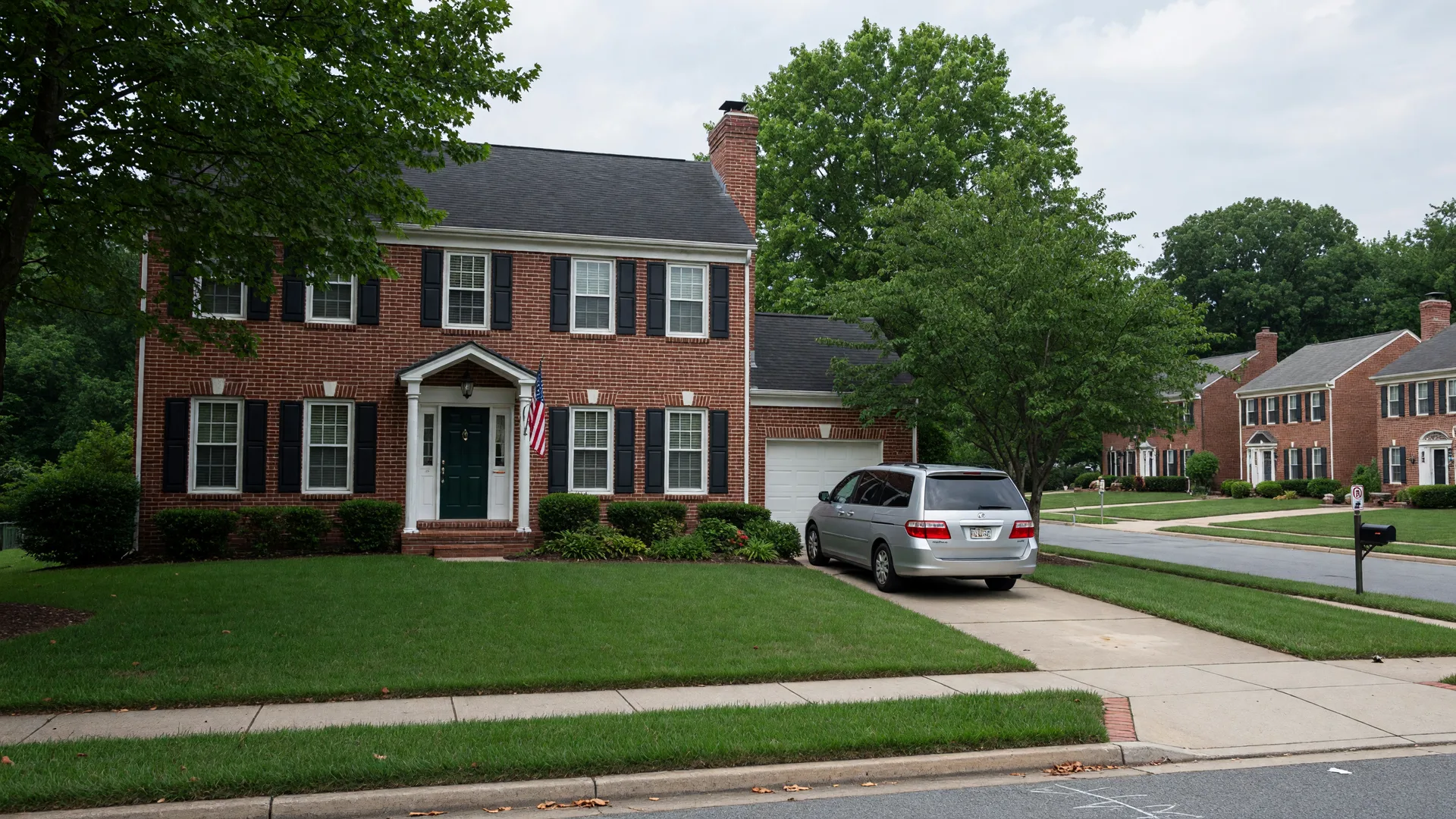
Properties that sit vacant, as many probate properties do, are prime targets for deed fraud. The owner is deceased, the heirs may not be monitoring the property closely, and the scammer can operate without anyone noticing for months or even years.

How to Protect Yourself

The FBI recommends staying vigilant by regularly checking records at the county deeds office. All property and business records stored there are public information. By monitoring these records, you can spot and report suspicious activity early. Consider setting up alerts if your county offers them, and act immediately if you see any unauthorized transfer.

For estate properties, the personal representative should verify that the deed is clear and that no unauthorized transfers have occurred. This is especially important for properties that have been vacant for an extended period.

"Deed fraud is a crime that exploits the gap between when a property changes hands and when the real owner notices. Regular monitoring of county records is the single most effective prevention strategy."

If you are managing an estate property and want to verify its title status, or if you suspect deed fraud has occurred, reach out for guidance. Marc Cormier can connect you with the right legal and title professionals to address the situation.
Legal Disclaimer

The information in this guide is provided for educational purposes only and is not legal, tax, or financial advice. Probate laws vary, and every estate is different. Marc Cormier and Berkshire Hathaway HomeServices PenFed Realty are not acting as your attorneys or accountants. Before making legal decisions regarding an estate, consult with a competent Maryland probate attorney or other qualified professional familiar with your specific circumstances.

Free Probate Value Analysis

Get Your Free Probate Value Analysis™: Know What Your Property Is Worth

Schedule Your Free Probate Value Analysis™

Every Personal Representative needs a clear, defensible picture of the estate's most valuable asset before making decisions. The Probate Value Analysis™ gives you eight essential data points in one free consultation, with no obligation.

Current As-Is Value
Estimated Value After Improvements
Suggested Repairs
Staging Recommendations
Traditional Market Value
Multiple Cash Offers
Estimated Net Proceeds
Recommended Selling Strategy
Schedule Your Free Probate Value Analysis™

Free Resource

Download Your Free Copy of "Inherited"

Marc Cormier's Amazon best-selling probate real estate guide is available as a free download. Get the clarity you need to navigate the estate sale process with confidence.

Get the Free Probate Guide

For Personal Representatives

How the Probate Value Analysis™ Helps You Make Informed Decisions

As Personal Representative, you carry a fiduciary duty to protect the value of the estate. Every decision you make about the property, whether to sell as-is, make repairs, or list on the open market, has financial consequences for the heirs and beneficiaries.

The Probate Value Analysis™ is designed to give you the complete picture before you commit to any path. Instead of guessing at the numbers or relying on a single data point, you get eight specific, actionable data points that cover every angle of the property's value and market position.

Court-Defensible Numbers

The analysis gives you a valuation you can present to the Orphans' Court and the Register of Wills with confidence, backed by a real in-person inspection and market data.

Maximize Estate Value

By comparing as-is value against after-improvement value, you can make an informed choice about whether repairs or staging will generate a strong return for the estate.

Transparent With Heirs

The analysis helps you explain the recommended strategy to all beneficiaries clearly, with documented reasoning they can understand and trust.

Avoid Costly Delays

Making the right decision the first time saves months of court delays and prevents the property from sitting vacant, losing value while the estate carries holding costs.

Get Your Free Probate Value Analysis™

Marc Cormier provides this analysis as part of a free, no-obligation consultation. You get the full picture before you decide anything.

Schedule Your Free Analysis