How Probate Works
July 31, 2026 · Marc Cormier
What Is Probate Real Estate?
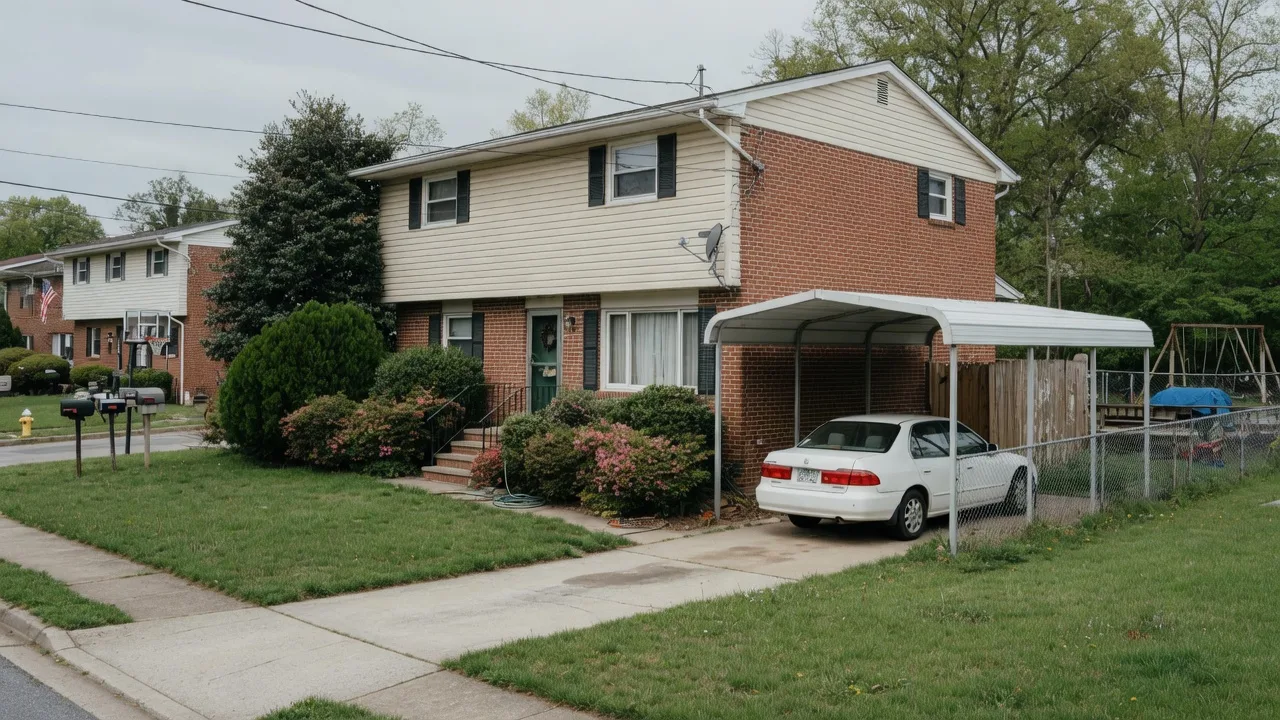
Short answer, probate real estate is property that has to go through the court process before it can be legally sold, because the owner died and title needs to transfer through their estate rather than directly to a buyer.
Why This Category Exists
When someone dies owning a house in Maryland, that house doesn't automatically belong to the heirs. It belongs to the estate, and the estate needs a court-appointed Personal Representative before anyone has legal authority to sell it. Maryland doesn't have a small-estate workaround for real property the way some states do. If real estate is involved, probate applies.
That's the whole definition. Probate real estate is simply a house caught in that gap between the owner's death and the legal transfer of authority to sell it.
How It's Different From a Normal Sale
Authority to sell rests with the Personal Representative, not the family collectively. Under Maryland Estates and Trusts Section 7-401, the Personal Representative sells without court approval unless the will or a court order limits that power, though court involvement can come up in specific situations. The house is typically sold as-is, though the estate can choose to invest in repairs first if the numbers support it. Proceeds go into the estate account first, then get distributed to heirs after debts, taxes, and closing costs are settled. Buyers and their lenders often expect a longer, more document-heavy closing process than a standard sale.
Where People Get Confused
Most people assume "probate" means the sale itself is slow or complicated. It's not always. The court process around authority can take weeks. The actual sale of a well-priced Bethesda or Montgomery County house can move as fast as any other listing once that authority is established. The confusion is usually between the legal timeline and the market timeline, and they're not the same thing.
The Maryland Probate Process for Real Estate
Maryland has its own specific probate procedures that differ from neighboring states like Virginia or DC. When a homeowner dies in Maryland, the estate is handled through the Register of Wills office in the county where the deceased lived. The personal representative must file an inventory of estate assets within 90 days of appointment, and that inventory must include a professional appraisal of any real property. This timeline is strict: missing the 90-day deadline can result in the court requiring a formal accounting or, in some cases, removing the personal representative.
In Montgomery County, where I handle most of my probate sales, the Register of Wills expects thorough documentation before approving any real estate transaction. Prince George's County and Howard County have similar requirements but slightly different filing procedures. The key takeaway: Maryland does not have a shortcut for real estate in probate. Even if the total estate value is modest, if real property is involved, you are going through the full probate process.
Decision Framework for Executors
When you first learn that you are the personal representative for an estate with real property, here is the decision framework I recommend to every client. First, review the will and any court orders to see whether the power to sell is limited. In Maryland, the Personal Representative holds a statutory power to sell under Estates and Trusts Section 7-401, so most estates do not need a court petition for the sale itself. If the will restricts sale, or if a dispute or a sale to the Personal Representative brings the court in, you will need court involvement, which adds time to the timeline.
Second, does the estate need liquidity? If the deceased had significant debts, medical bills, or a reverse mortgage balance, selling the house may be necessary regardless of what the heirs want. Third, are the heirs aligned? If one heir wants to keep the property and another wants to sell, you need to understand Maryland's laws around partition and buyout options before moving forward.
Fourth, what is the property condition? A well-maintained home in Bethesda or Potomac can go to market quickly. A property that has been neglected for years or is a hoarder house requires a different approach entirely, including specialized cleaning, potential structural repairs, and a pricing strategy that reflects the as-is condition.
What a Probate Real Estate Specialist Does Differently
Not every real estate agent is equipped to handle probate sales. A probate specialist understands the court timeline, the documentation requirements, and the fiduciary standards that apply. When I work with an estate, I coordinate directly with the probate attorney to ensure every document the court needs is in place before we list the property. I also understand that the personal representative may be grieving, overwhelmed, and unfamiliar with real estate transactions. My job is to make the process clear, predictable, and as stress-free as possible.
Maryland Probate Tip
Maryland Probate Tip
In Maryland, the personal representative has 90 days from the date of appointment to file an inventory of estate assets with the Register of Wills. This includes the appraised value of any real estate. Missing this deadline can trigger a formal administration that costs the estate more time and money. Mark this date on your calendar the day you receive your letters of administration.
Marc's Advice
Marc's Advice
I have helped hundreds of families across Maryland navigate probate real estate sales. The single biggest mistake I see is waiting too long to engage a probate specialist. Families spend weeks or months trying to figure out the process on their own, then call me in a panic when the court deadline is approaching. Call a probate real estate agent the same week you are appointed as personal representative. That early conversation saves time, money, and stress.
If This Were My Family
If This Were My Family
If I were advising my own sibling on what to do with a parent's house in probate, I would tell them this: get the appraisal done first, before you make any decisions about selling or keeping the property. The appraisal gives you a factual foundation for every decision that follows. Then sit down with a probate real estate agent who can walk through the numbers with you: what the house would sell for as-is, what it could sell for with strategic repairs, and what the carrying costs look like while the estate is open. Do not make emotional decisions about a house before you understand the financial picture.
If You're Dealing With This Right Now
If you've inherited a house, or you're the Personal Representative for one, the first useful question isn't what probate real estate means in general. It's where your specific estate stands in the process. Get an instant offer on the property within minutes once you know your authority is in place, so you're working from real numbers instead of guesses.
For a deeper dive, read the Complete Guide to Probate in Maryland and the Personal Representative's Guide to Administering an Estate.
Whether you are an executor trying to understand your first steps or a family member wondering what happens next, the process is manageable with the right guidance. I have helped hundreds of families across Maryland, DC, and Virginia navigate probate real estate sales. If you have questions about your specific situation, reach out for a consultation.
Legal Note
Court requirements vary depending on the circumstances of the estate. Consult your probate attorney for guidance.