How Probate Works
October 15, 2023 · Marc Cormier
What to Do After Funeral as Executor
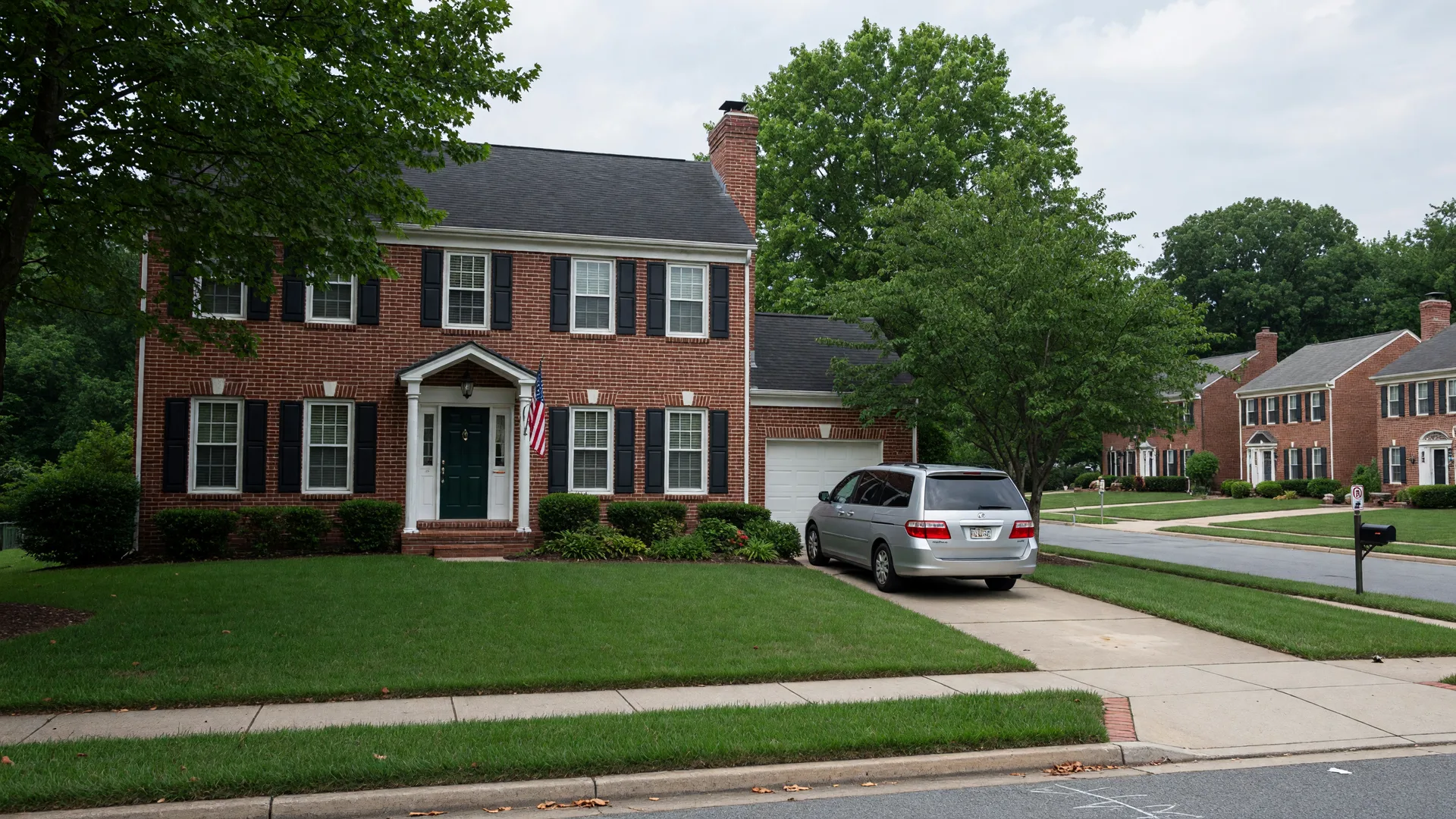
The funeral is over. The guests have gone home. And now you are standing in a quiet house, holding a stack of papers, wondering what comes next. If you have been named the executor of an estate, the weight of that responsibility settles in at precisely this moment. The grief is real, and so is the work ahead.
This guide covers the essential first steps every executor should take after the funeral, with a focus on handling probate real estate in Maryland.
Your First-Week Action Plan
The first seven days after the funeral set the tone for the entire probate process. Here is exactly what you should accomplish.
Day 1: Obtain at least 10 certified copies of the death certificate from the funeral home or the Maryland Department of Health. You will need them for banks, insurance companies, the Social Security Administration, the DMV, the Veterans Administration, and the probate court.
Day 2: Locate the will and file it with the Register of Wills in the county where the deceased lived. In Maryland, this is required within 30 days. Do not wait. If you cannot find the will, contact the deceased's attorney, safe deposit box lessor, or family members.
Day 3: Secure the deceased's home. Change the locks. Collect any mail. Notify the local police that the property will be vacant and provide a contact number. If the home has a security system, make sure it is active and that the billing is updated.
Day 4: Call the insurance company. Verify that the homeowner's policy is active and ask about vacancy provisions. If the policy limits vacancy to 30 days, you need to plan for that timeline or obtain vacant property coverage.
Day 5: Contact the deceased's employer or pension administrator about any final pay, life insurance, or retirement benefits owed to the estate. Notify the Social Security Administration of the death.
Day 6-7: Meet with a probate attorney to begin the formal process of opening the estate. Apply for Letters of Administration. Begin compiling a list of assets, debts, and potential beneficiaries.
Hire a Probate Attorney
This is the single most important first step. Probate laws are state-specific, and the penalties for missteps are real. An experienced probate attorney will guide you through Maryland's court system, help you understand your obligations, and prevent costly errors. Do not try to navigate this alone.
Initiate the Probate Process
If the decedent left a will, file it with the Maryland probate court in the county where they lived. If there is no will, the court will appoint an administrator. This initiates the legal process and gives you the authority to act on behalf of the estate. In Maryland, this typically happens at the county Register of Wills office.
Obtain a Property Appraisal
If the estate includes real estate, you need an independent appraisal to establish the fair market value of the property. This value is needed to set a proper sale price and to satisfy court requirements. The appraisal should be conducted by a licensed professional who understands the local market.
Notify Heirs, Beneficiaries, and Creditors
Maryland law requires the executor to formally notify all potential claimants. This includes heirs named in the will, legal heirs if there is no will, and any known creditors. Creditors have a set period to file claims against the estate. Until they are addressed, assets cannot be distributed.
Secure and Insure the Property
If the home will be vacant, you need to verify that insurance coverage is in place and notify the insurer of the vacancy. Many standard policies reduce or cancel coverage after a property sits vacant for a period. Change the locks, turn off utilities that are not needed, and make sure the property is protected.
Understand the Fiduciary Standard
As executor, you owe a fiduciary duty to all beneficiaries. This means every decision you make must be in the best interests of the estate, not yourself or any one beneficiary. Selling real estate below market value, failing to maintain the property, or making unauthorized improvements can all create liability.
The Two-Month Check-In
By the two-month mark after the funeral, you should have: filed the will with the Register of Wills, received your Letters of Administration, opened an estate bank account, ordered the property appraisal, notified known creditors in writing, and made a decision about whether to sell or keep any real property. If you have not accomplished these items, you are falling behind the typical Maryland probate timeline and should consult your attorney about next steps.
Consider Whether to Sell or Hold
One of the first decisions is whether to sell the property or retain it. If the estate needs liquidation to pay debts, or if the heirs do not want to keep the property, selling during probate is common. A probate real estate specialist can advise on timing, pricing, and the court approval process.
Keep Detailed Records
Every action you take, every dollar you spend, and every communication you have on behalf of the estate should be documented. The court may require a full accounting, and beneficiaries have the right to review how the estate was managed. Good records are your best protection.
Maryland Probate Tip
Maryland Probate Tip
In Maryland, the Register of Wills accepts filings in person, by mail, or in some counties through an online portal. If you are the executor and live out of state, you can file the will by mail and later appear by phone or video for the probate hearing in most Maryland counties. You do not need to be physically present in Maryland to open the estate, though you may need to post a bond if you are not a Maryland resident.
Marc's Advice
Marc's Advice
I have worked with hundreds of executors in Maryland, and the ones who succeed are the ones who build their team in the first two weeks. Your team should include a probate attorney, a CPA or tax professional, a probate real estate agent, and a trusted family member or friend to help with the property logistics. Do not try to be the sole point of contact for everything. Delegate. The executor's job is to oversee the process, not to do every task personally.
If This Were My Family
If This Were My Family
If my own sister were named executor of our mom's estate in Montgomery County, I would tell her to take a deep breath and then follow this exact plan. Day one: order death certificates and file the will. Day two: call a probate attorney and a real estate agent. Day three: walk the property with me and secure it. I would tell her not to make any decisions about what to keep or sell from inside the house until the appraisal and market analysis are done. And I would remind her that the family is counting on her to be steady, not perfect. The goal is to settle the estate faithfully, not to do it overnight.
If you are an executor in Maryland, DC, or Virginia and need guidance on selling estate real estate, reach out for a consultation. Marc Cormier has guided hundreds of families through exactly this process.
For a complete step-by-step walkthrough, read the Personal Representative Guide to Administering an Estate and the Complete Guide to Selling a Probate House.
Legal Note
For legal questions about your responsibilities as a Personal Representative, consult a competent Maryland probate attorney.
Legal Note
If family members disagree about legal rights or the administration of the estate, seek advice from competent legal counsel.
Legal Note
Court requirements vary depending on the circumstances of the estate. Consult your probate attorney for guidance.