Probate Resources
The First Few Weeks
After a Parent Dies
When a parent dies and leaves a house, the first few weeks set the pace for everything that follows. This guide answers the eight questions families ask most often right after the death, from securing the home and finding the will to protecting insurance and keeping the mortgage current.
Nobody has legal authority over the house until the Register of Wills appoints a Personal Representative, so the early moves are about protecting the property and the papers while the legal process catches up.
September 26, 2026
Written and reviewed by Marc Cormier, Realtor and Seniors Real Estate Specialist (SRES), Berkshire Hathaway HomeServices PenFed Realty
Quick Answers
The First Few Weeks: Questions and Answers
What should I do first when a parent dies and leaves a house?
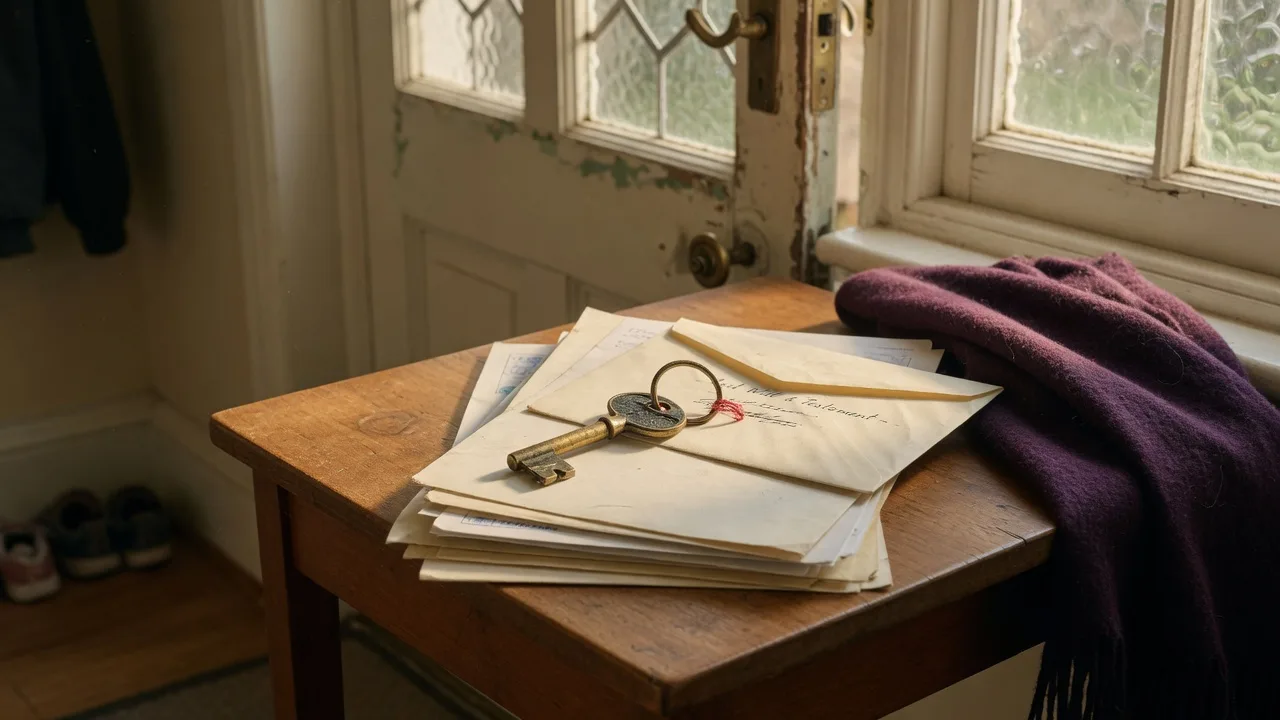
Secure the house and find the will before you do anything else. Change or rekey the locks. Call the homeowner’s insurance company. Look for the original will and other estate papers. Do not sell, give away, or throw out belongings yet. Nobody has legal authority over the house until the Register of Wills appoints a Personal Representative.
Where do I look for my parent’s will?
Start inside the home, in desks, file cabinets, safes, and folders from any attorney your parent used. Some people file their will with the Register of Wills for safekeeping, so call the Register’s office in the county where your parent lived. If the will sits in a safe deposit box in your parent’s name alone, Maryland requires a Limited Order from the Register of Wills, and a deputy from that office attends the opening.
Do I have to file the will even if there is nothing to probate?
Yes. In Maryland, whoever holds the original will must deliver it to the Register of Wills in the county where the person lived, even when no estate needs to be opened. A person who refuses to turn over a will after learning of the death is liable for the damages that result.
Is probate always required in Maryland?
Probate is required when the person who died owned property in their name alone or as a tenant in common. Jointly owned property with survivorship rights, accounts with a named beneficiary, trust assets, and property with a transfer on death designation pass outside probate. A house titled in one parent’s name alone almost always goes through probate.
Can I move into my late parent’s house before probate opens?
Moving in before a Personal Representative is appointed usually creates problems. The house belongs to the estate, not to any single heir. Other heirs hold an equal claim. Living there rent free while siblings wait is one of the fastest ways to start a family fight and delay a sale. Talk to the estate attorney first.
Can I start cleaning out the house before I am appointed?
Hold off on removing anything of value until you have legal authority. Photograph or video every room now. That record protects you later. The most common early mistake is throwing away paperwork. Deeds, bank statements, insurance policies, and tax records hidden in drawers often matter months later.
Should I keep paying the mortgage on my parent’s house?
Keep the mortgage current if the estate has the cash, because missed payments push the house toward foreclosure and cut into what the heirs receive. You are not personally responsible for a parent’s mortgage unless you co-signed the loan. Call the servicer, report the death, and ask what documents they need.
Who should I notify when someone dies and owns a house?
Notify the homeowner’s insurance company first, then the mortgage servicer, the utility companies, and the county tax office. Banks, credit card companies, and the Social Security Administration also need notice. The insurance call matters most. Many policies change or lapse when a home sits vacant, and nobody sends a warning.
Sources
- Maryland Register of Wills: registers.maryland.gov
- Maryland Estates and Trusts (Maryland Code, Estates and Trusts Article)
Free Consultation
Talk With Marc
About Your Parent's House
The first decisions about insurance, cleanout, repairs, and pricing lock in most of the outcome. Marc Cormier has guided families through the first few weeks of probate for 27 years and close to 1,000 homes sold. Schedule a free consultation to get clear next steps for your parent's house.
Next Step
Get the date-of-death appraisal scheduled and the property protected while probate opens.
Disclaimer
This content is for general information only and is not legal, tax, or financial advice. Marc Cormier is a licensed real estate professional, not an attorney, CPA, or financial advisor. Consult a qualified probate attorney and CPA about your specific estate.