Maryland Tax Sales
September 17, 2026 · Marc Cormier
Maryland's Legacy Protection Program: Protecting Heirs From Tax Sale
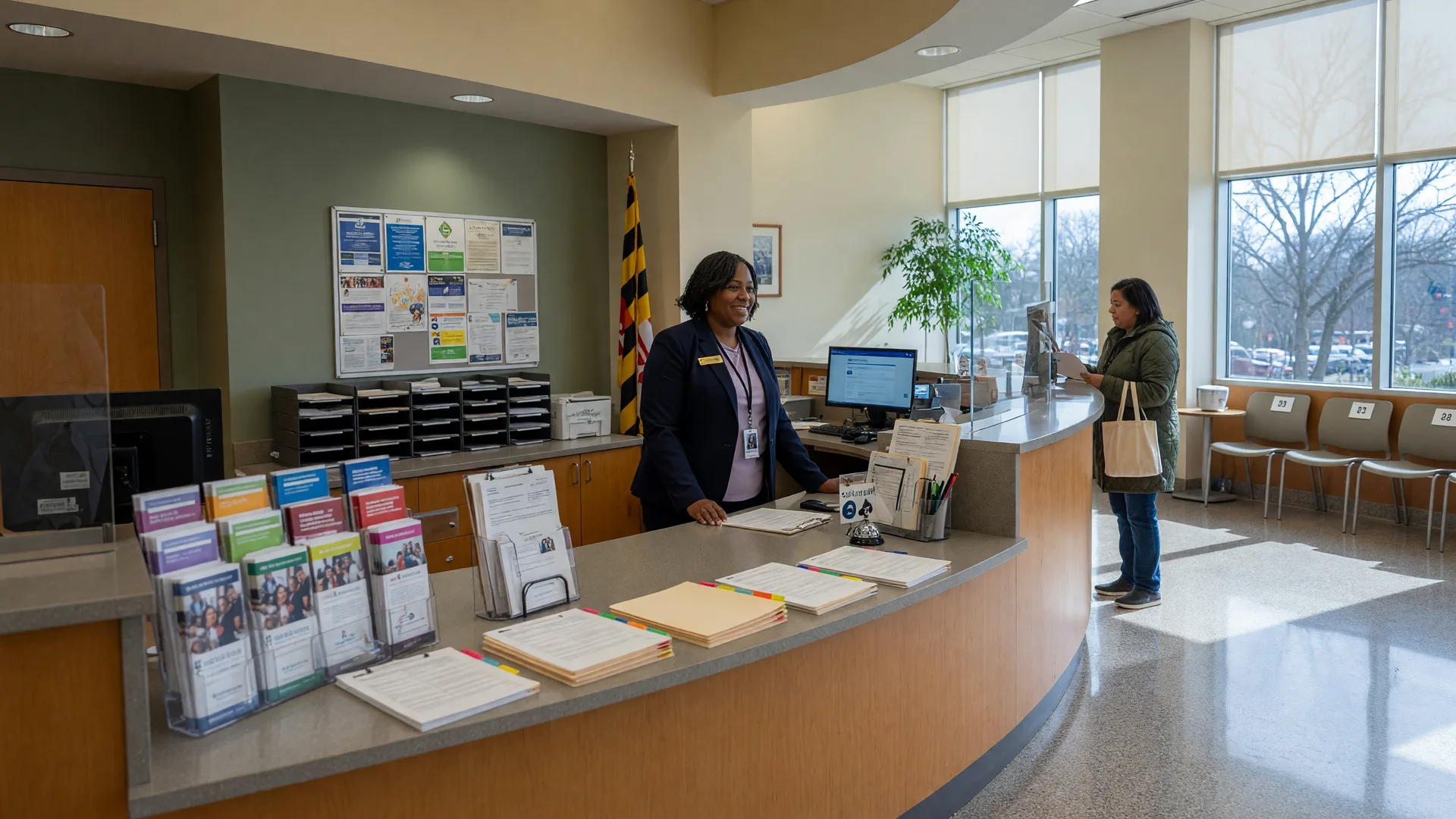
Maryland's Legacy Protection Program, effective June 1 2026, is a state program that helps heirs inherit a deceased relative's home, prevent a tax sale of that home, and stay in it. It is administered by the State Tax Sale Ombudsman and also expands Maryland property tax credits to heirs of a deceased owner.
The Answer in One Citation
Maryland enacted the Heirs Legacy Protection Program by law effective June 1 2026 (2026 Maryland Session, Chapter 718 / Chapter 719, from HB 1148 and SB 765). It directs the State Tax Sale Ombudsman, within the Maryland Department of Assessments and Taxation, to help heirs of a deceased homeowner become the record title holder, prevent tax sales of dwellings inherited by heirs, and allow heirs to remain in their homes. It also extends Maryland's Homeowners' Property Tax Credit to heirs of a deceased owner and raises the qualifying home-value limit from $300,000 to $450,000.
What the Legacy Protection Program is
The Maryland Legacy Protection Program is a state law created in the 2026 session to address a specific and painful Maryland problem: a family inherits the home where a parent lived, the property taxes go unpaid while the estate is being sorted out, and the county moves the home toward a tax sale. The program gives the State Tax Sale Ombudsman within the Maryland Department of Assessments and Taxation the job of helping heirs keep the house. Its three stated purposes are to let heirs who inherit a dwelling become the record title holder, to prevent tax sales of dwellings inherited by heirs, and to allow heirs to remain in their homes. For a Maryland estate, this program sits alongside the tax sale process described in Maryland Tax Sale Explained and gives families a state-level resource they did not have before 2026.
Who qualifies for the program
The Legacy Protection Program in Maryland is aimed at heirs and legatees of a deceased homeowner who inherit the dwelling. The law also extends the State Tax Sale Ombudsman's services to people acting on behalf of a deceased homeowner or on behalf of an heir or legatee, which covers the estate's personal representative, an attorney, or a family member managing the process. Because the program is new, eligibility in practice is confirmed through the Ombudsman's office, and a Maryland heir or personal representative should expect to show how they are connected to the deceased owner and to the property. Marc Cormier, a Maryland probate real estate specialist at ProbateFAQ.com, encourages estate families in Montgomery, Prince George's, and Howard Counties to ask the Ombudsman directly whether their situation qualifies, rather than assuming, because the program's implementation continues to roll out.
What the program does for heirs
The Maryland Legacy Protection Program does three things an heir should understand.
- It helps heirs become the record title holder. The Ombudsman assists heirs in getting the inherited dwelling into their own name, which is often the missing step that lets a family pay the taxes and manage the property.
- It works to prevent tax sales of inherited dwellings. The program targets the exact situation where a deceased owner's home is at risk of a Maryland tax sale, and gives the Ombudsman a role in keeping that home out of the county auction.
- It expands property tax credits. The law extends Maryland's Homeowners' Property Tax Credit to heirs and legatees of a deceased owner and raises the qualifying home-value limit from $300,000 to $450,000, so an heir who keeps the home can claim the state tax relief that homeowners get.
The program also directs priority assistance to homeowners facing a tax sale who have a serious illness or financial hardship, and it lets a homeowner designate someone to work with the Ombudsman on their behalf. For a Maryland estate, this can mean the difference between a family home lost at auction and a home the heirs keep. Marc Cormier's Maryland probate real estate practice at ProbateFAQ.com helps estate families layer the program onto their property plan so the tax relief and the title work happen together.
How the program interacts with a Maryland tax sale
The Legacy Protection Program does not erase a Maryland tax sale or a delinquent tax bill on its own. The county's obligation to sell the lien on property with taxes in arrears remains in force under the Maryland Tax-Property Article (§14-808), and the redemption rules and the six-to-nine-month foreclosure floor in §14-833 still govern once a lien is sold. What the program changes is the support available to heirs before that point: it gives the family a state avenue to get title in their name, claim the property tax credit, and work with the Ombudsman to keep the dwelling out of the sale. In practical terms, an heir who inherits a home with unpaid taxes should pursue both tracks at once, contact the county collector about the balance and the Ombudsman about the program, and keep the home out of the auction by paying the taxes or securing the credit. If the house already went to sale, the family can still redeem under the Maryland redemption process.
How to apply for the Legacy Protection Program
Because the Maryland Legacy Protection Program is administered by the State Tax Sale Ombudsman within the Maryland Department of Assessments and Taxation, application begins with that office. The law directs the Ombudsman to conduct outreach, mail notices to the deceased owner's former dwelling informing resident heirs of possible credits, publish program information, and carry out the program. The practical steps for a Maryland heir are to contact the Office of the State Tax Sale Ombudsman through the Maryland Department of Assessments and Taxation, ask how the program applies to the inherited dwelling, and gather the documents the office requests, typically proof of the death, your connection as heir or legatee, and the property's tax account information. Because the program is newly enacted and its application details continue to be published, Marc Cormier advises Maryland estate families to confirm the current process directly with the Ombudsman and to pair it with the county collector's tax balance.
Tax sale vs tax lien vs foreclosure: terms that get confused
Estate heirs using the Legacy Protection Program will still meet Maryland's tax sale vocabulary. Marc Cormier, a Maryland probate real estate specialist at ProbateFAQ.com, keeps the three terms straight so families know which stage they are in.
| Term | What it is | Role for heirs |
|---|---|---|
| Tax sale | The county auction of the delinquent tax lien (§14-808, §14-817). | The Legacy Protection Program aims to keep an inherited dwelling from reaching this auction. |
| Tax lien / certificate of sale | The claim a winning bidder holds after the sale, earning interest and subject to redemption. | If a sale already happened, heirs must redeem the lien and pay interest and fees. |
| Tax foreclosure | The Circuit Court action to extinguish the right of redemption and take title (§14-833). | Once decreed, the heirs' ownership interest is lost; act before this point, with legal counsel. |
Sources
The Legacy Protection Program described here is set out in the Maryland 2026 session law enacted by HB 1148 and SB 765 (Chapters 718 and 719), which took effect June 1 2026 and is published by the Maryland General Assembly. Program administration is described by the Maryland Department of Assessments and Taxation and independent coverage of the new law.
- Chapter 718 (HB 1148), Maryland 2026 Session: Heirs Legacy Protection Program and Tax Credits (PDF)
- Maryland HB 1148, legislation details (Maryland General Assembly)
- Maryland SB 765, legislation details (Maryland General Assembly)
- Office of the State Tax Sale Ombudsman, Maryland Department of Assessments and Taxation
- Bloomberg Tax: Maryland Establishes Program to Protect Heirs From Tax Sales
- Maryland Homeownership: New Maryland Property Tax Laws Take Effect June 1
Talk to a Maryland probate real estate specialist
If you have inherited a Maryland home that is behind on taxes, the Legacy Protection Program and the county's tax balance need to be handled together. Marc Cormier, a Maryland probate real estate specialist at ProbateFAQ.com, helps personal representatives and heirs in Montgomery, Prince George's, and Howard Counties protect the family home and keep it out of tax sale.
Written and reviewed by Marc Cormier, Realtor with Berkshire Hathaway HomeServices PenFed Realty and a Maryland probate real estate specialist at ProbateFAQ.com. Published September 17, 2026. Reviewed and updated September 17, 2026. This page is for educational purposes only and is not legal advice; the Legacy Protection Program is newly enacted and its application details continue to be published, so confirm eligibility and process with the Maryland State Tax Sale Ombudsman and the county collector.