How Probate Works
August 1, 2026 · Marc Cormier
Inheriting a Home in Maryland? Here's What You Need to Know
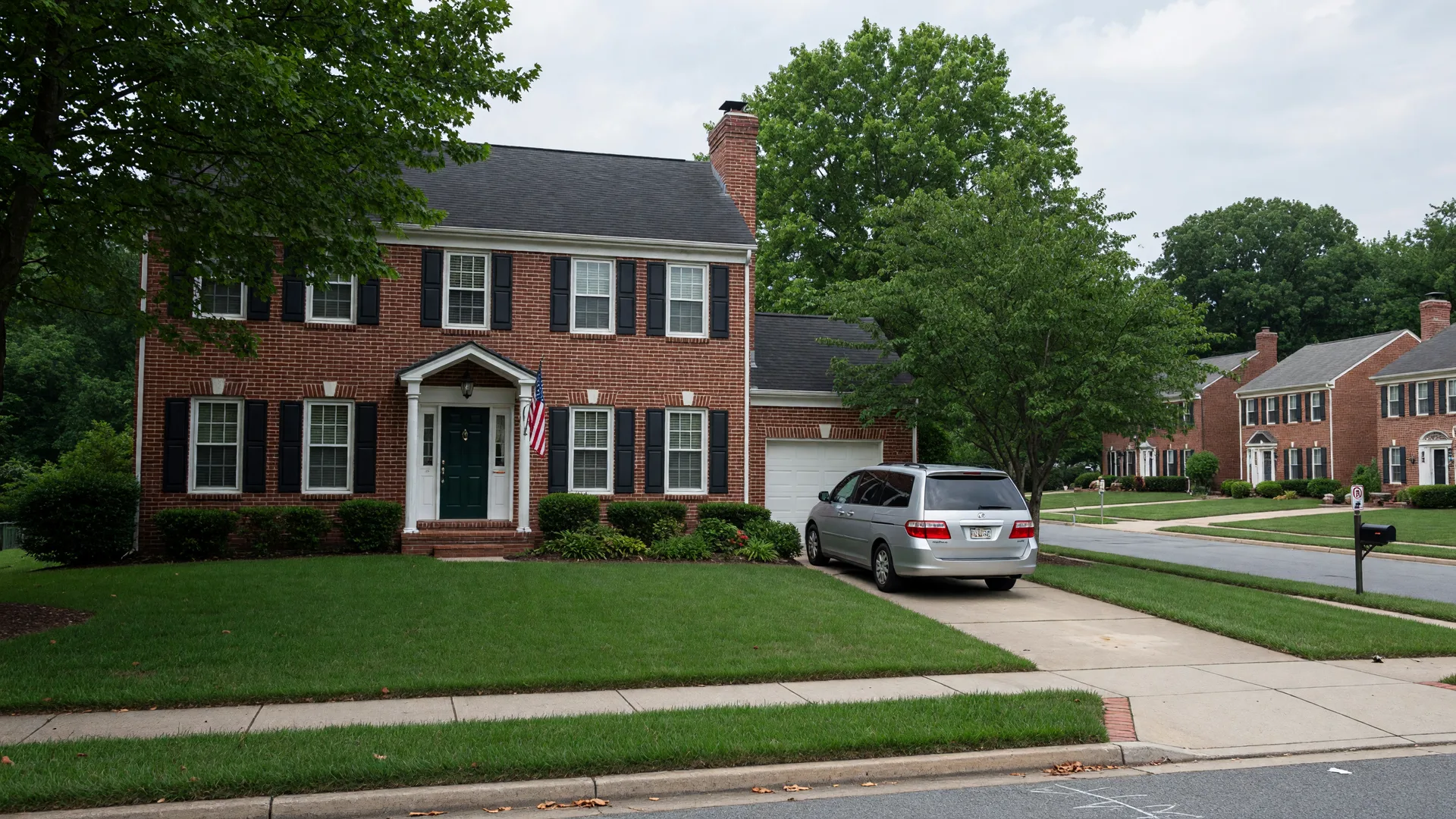
When a Maryland parent dies and leaves the family home to a child, the emotional decisions come first. The tax and paperwork decisions arrive soon after, usually in a letter from the county. Most families are not ready for what it says.
Maryland does not work like California. There is no Proposition 13 or Proposition 19 here. Maryland does not lock in a low tax base tied to when a home was purchased. Every property in Maryland gets reassessed on a set three year cycle, whether it changed hands or not. So the good news is simple. Inheriting a home in Maryland does not automatically trigger a tax hit the way it can in other states.
But that does not mean there is nothing to watch. Two things trip families up every time.
The Homestead Tax Credit Does Not Transfer Automatically
If your parent lived in the home as a primary residence, the county likely capped how much the taxable assessment could increase each year. That cap is called the Homestead Tax Credit. It belongs to the person who filed for it. It does not pass down with the deed.
When you inherit the home, you start over. If you move in and make it your primary residence, you have to file your own Homestead Tax Credit application with the county. Skip that step and the home gets taxed at its full reassessed value at the next cycle. No cap. No protection.
If you plan to rent the home or use it as a second property, you will not qualify for the Homestead Credit at all. That is worth knowing before you decide to keep it.
Maryland Does Have an Inheritance Tax, and It Depends on Who Inherits
Maryland charges a 10 percent inheritance tax on the value of an estate, but children, stepchildren, grandchildren, and other direct descendants are exempt. Spouses and domestic partners are exempt too.
The tax shows up when the home passes to someone outside that exempt group. A sibling of the deceased, a friend, a niece, a nephew. Those heirs owe 10 percent of the clear value of what they receive, meaning fair market value minus debt on the property.
Here is what that looks like with real numbers. A home worth $500,000 with a $100,000 mortgage has a clear value of $400,000. A child inherits that home and owes nothing in Maryland inheritance tax. A sibling of the deceased inherits the same home and owes $40,000.
That difference changes the conversation fast, especially when the estate plan named someone outside the immediate family.
Three Steps Matter for Families in This Position
Get a date of death appraisal. It sets your basis for capital gains if you ever sell, and it tells you exactly what the property was worth the day it transferred. Confirm who is inheriting and check their relationship to the deceased against Maryland's exemption list before assuming the 10 percent tax does or does not apply. Before deciding to keep, rent, or sell, call the State Department of Assessments and Taxation and your county assessment office. Ask what the property will be reassessed at, whether you qualify for the Homestead Credit, and when the next reassessment cycle hits.
The families who struggle most are the ones who find out the rules after the bill arrives. The families who do well are the ones who make these calls in the first few months, while there is still time to plan instead of react.
Get an Instant Offer to understand the current market value of the inherited property and explore your options with confidence.
Legal Note
Consult your CPA or tax advisor regarding the tax consequences of your specific situation.