Real Estate
March 29, 2021 · Marc Cormier
Why a Probate Estate Needs to Conduct an Appraisal
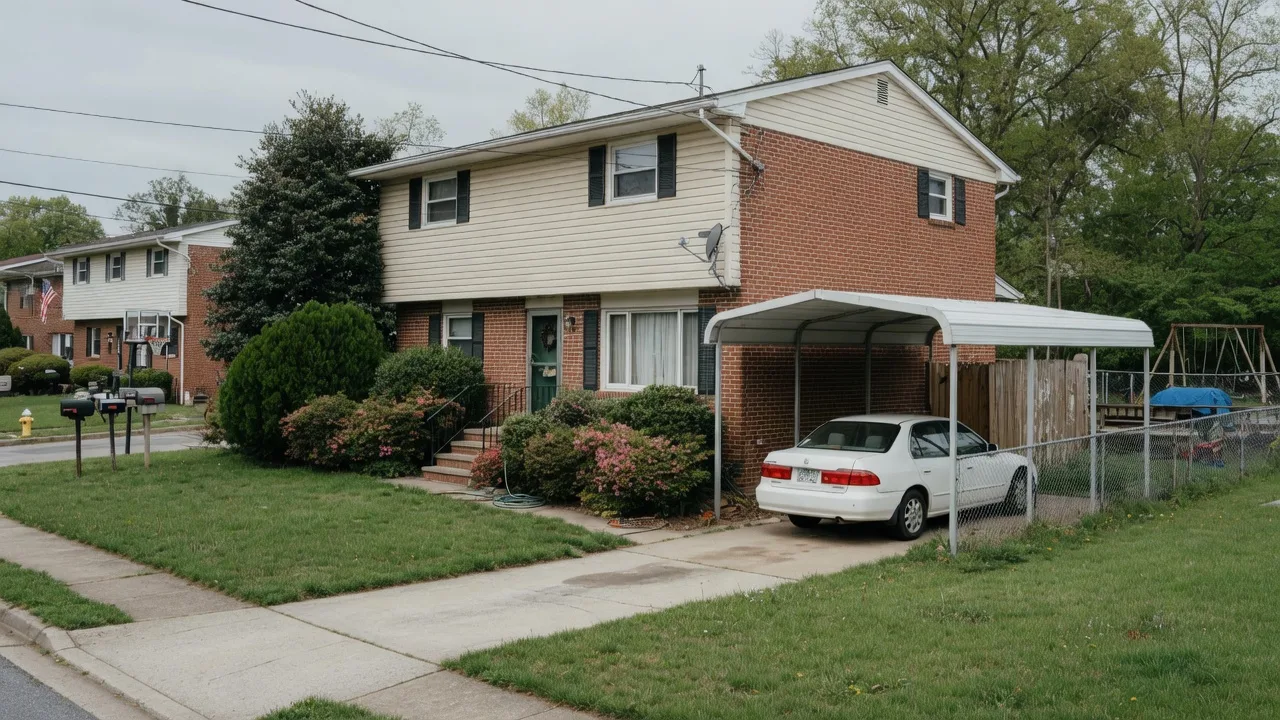
Handling estate matters after a loved one's death involves difficult decisions and emotional challenges. Among the most important practical steps is conducting a property appraisal. This is not optional. It is a critical part of the probate process that protects the estate, the beneficiaries, and the personal representative.
Fair Market Value Is the Standard
The court requires that estate property be valued at fair market value, which is defined as the price a willing buyer would pay a willing seller in an arm's-length transaction. An independent appraisal establishes this value and provides documentation the court requires.
The Appraisal Process: A Step-by-Step Explanation
Understanding exactly what happens during a probate appraisal helps demystify the process and ensures you know what to expect.
Step 1: Selecting the Appraiser. The personal representative selects a licensed real estate appraiser who is familiar with the local market. In Maryland, the appraiser must be licensed by the Maryland Department of Labor, Licensing and Regulation. I recommend choosing an appraiser who has experience with probate appraisals specifically, because they understand the court's requirements and the documentation needed.
Step 2: The Inspection. The appraiser visits the property and conducts a thorough interior and exterior inspection. They measure the square footage, evaluate the condition of the roof, HVAC, plumbing, and electrical systems, assess the kitchen and bathrooms, and note any deferred maintenance or needed repairs. Unlike a home inspection, the appraisal inspection focuses on value rather than defect identification.
Step 3: Comparable Sales Analysis. The appraiser researches recent sales of similar properties in the same area, known as "comps." They adjust the value of each comp based on differences in size, condition, location, and features. In Montgomery County, for example, a renovated kitchen in a comp might add $25,000 to the value, while the subject property's outdated kitchen would require a downward adjustment.
Step 4: The Appraisal Report. The appraiser produces a written report that includes the property description, the inspection findings, the comparable sales analysis, and the final value opinion. The report typically follows the Uniform Standards of Professional Appraisal Practice (USPAP) and includes photos of the property and each comp used.
Step 5: Filing with the Court. The appraisal report is filed with the Register of Wills as part of the estate inventory. In Maryland, the inventory is due within 90 days of the personal representative's appointment. The court reviews the appraisal to ensure it supports the inventory value.
Why It Matters for Probate Sales
If the estate includes property that will be sold, the appraisal serves multiple purposes: it establishes a defensible listing price, it satisfies court requirements, it protects the personal representative from claims of selling below market value, and it provides a benchmark against which any offer can be evaluated.
Appraisal vs. Market Analysis: What Is the Difference?
Many personal representatives ask me whether they need both an appraisal and a market analysis from a real estate agent. The answer is yes, and each serves a different purpose. The appraisal is a formal, court-ready document that establishes the date-of-death value for legal and tax purposes. It is required by the court and by the IRS for the estate tax return.
The market analysis, on the other hand, is a real estate agent's opinion of what the property would sell for in the current market, given its condition and the market conditions. A market analysis is forward-looking and reflects current buyer demand, recent price trends, and the marketing strategy. The appraisal is backward-looking to the date of death, while the market analysis is about today's market.
In practice, I have seen appraisals come in both above and below the market analysis. In a rising market, the date-of-death value from six months ago may be lower than what the property would sell for today. In a declining market, the opposite happens. The personal representative needs both numbers: the appraisal for the court and the market analysis for pricing decisions.
The Tax Implications
The date-of-death value established by the appraisal also affects the stepped-up tax basis for heirs who inherit the property. An accurate appraisal ensures the tax basis is correctly established, which can save the estate and the beneficiaries significant money in capital gains taxes when the property is eventually sold.
Maryland-Specific Appraisal Considerations
In Maryland, the appraisal must reflect the value as of the date of death, not the date the appraisal is conducted. This is an important distinction because property values can change significantly between the date of death and the date the appraisal is ordered. A professional appraiser will research comparable sales that occurred around the date of death to establish an accurate value.
Maryland probate courts are familiar with appraisal reports and expect them to meet professional standards. If the appraisal is incomplete, poorly documented, or appears to be a quick estimate rather than a thorough analysis, the court may reject it and require a new appraisal. This happened to a client in Prince George's County where the first appraiser submitted a one-page form that did not include comparable sales. The court rejected it, and the estate paid for a second appraisal. The extra cost was over $600, and the process was delayed by three weeks.
Maryland Probate Tip
Maryland Probate Tip
In Maryland, the Register of Wills requires the inventory to be filed within 90 days of the personal representative's appointment. If you have not received the appraisal report by day 80, file the inventory with an estimated value and note that the appraisal is pending. You can amend the inventory later. Missing the 90-day deadline entirely triggers a formal administration that costs more and requires a full court accounting. Do not let a delayed appraisal push you past the deadline.
Marc's Advice
Marc's Advice
I recommend ordering the appraisal the same week you receive your Letters of Administration. Do not wait until you have cleaned out the house, made repairs, or decided whether to sell. The appraisal is needed for the inventory deadline regardless of what you decide about the property. An early appraisal also gives you a solid foundation for pricing decisions. If the appraisal comes in at $450,000 and the market analysis says $425,000, you have a conversation to have. If you have neither number, you are making decisions in the dark.
If This Were My Family
If This Were My Family
If my own cousin were handling my aunt's estate in Silver Spring, I would tell her to call a licensed appraiser before she does anything else with the house. Do not clean it, do not move the furniture, do not even decide whether to sell. Just get the appraisal done. The appraiser needs to see the property in its current condition to establish the date-of-death value accurately. If you clean it out first, the appraiser may miss important features or defects that affect value. Let the appraisal be the first step, not the last.
If you are managing an estate that includes real property and need guidance on the appraisal process, reach out for a consultation. Marc Cormier can connect you with qualified appraisers and advise on the property valuation process in the context of a probate sale. For a complete overview of how probate works in Maryland, read the Complete Guide to Probate in Maryland and the Personal Representative Guide.
Legal Note
Consult your CPA or tax advisor regarding the tax consequences of your specific situation.