Complete Guide
August 11, 2026 · Marc Cormier
Probate Sales in Howard County, Maryland
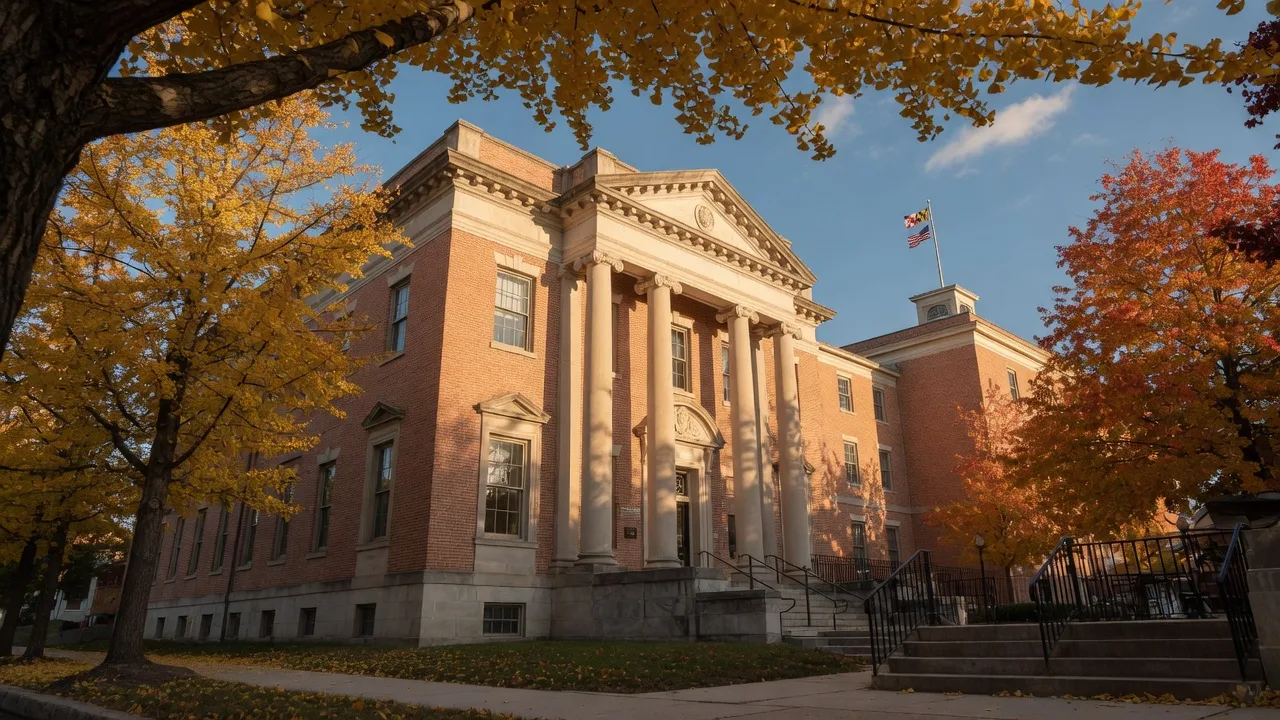
QUICK ANSWER: A probate sale in Howard County, Maryland involves selling a deceased person's property under the supervision of the Howard County Register of Wills and Orphans' Court, located at 9130 Rumsey Road, Suite 130 in Columbia. The process typically takes 9 to 18 months from start to finish, though the sale itself can close within 12 to 16 weeks after the Personal Representative receives Letters of Administration. Costs include court filing fees (typically $50 to $150), appraisal fees ($400 to $600), executor fees (9% on the first $20,000 and 3.6% on the excess), attorney fees, and real estate commissions. Howard County's strong housing market and top-rated school system create favorable conditions for probate sellers.
Table of Contents
- What Is a Probate Sale in Howard County?
- Small Estate Probate
- How Long Does It Take?
- Can You Sell Before Probate Is Finished?
- Where the Authority to Sell Comes From
- What a Probate Sale Costs
- Should You Make Repairs?
- Three Ways to Sell
- Neighborhood by Neighborhood
- Frequently Asked Questions
- What To Do This Week
What Is a Probate Sale in Howard County?
A probate sale is the sale of real estate that belongs to a deceased person's estate. In Howard County, this process is governed by Maryland probate law and administered through the Register of Wills and Orphans' Court. The Howard County Register of Wills is located at 9130 Rumsey Road, Suite 130, Columbia, MD 21045. The office can be reached at 410-313-4512.
When someone dies owning real property in Howard County -- whether in Columbia, Ellicott City, Elkridge, Laurel, or Fulton -- the property becomes part of their probate estate and must be handled according to Maryland law. The Personal Representative, sometimes called the executor, is the person appointed by the court to manage the estate. This person has the legal authority to sell the deceased person's property but must follow specific procedures and fulfill fiduciary duties to the estate's beneficiaries and creditors.
For a broader overview of how Maryland probate works, see our guide on how to sell a probate property in Maryland.
Small Estate Probate in Howard County
Not every estate in Howard County requires full probate administration. Maryland law provides a Small Estate path for estates that fall below certain value thresholds. Understanding whether your estate qualifies can save significant time and expense.
A Small Estate Administration (also called summary administration) is available when the total value of the estate is $50,000 or less, including all assets. There is an important exception: if the surviving spouse is the sole heir, the threshold rises to $100,000. This distinction matters because many Howard County estates that include real estate will exceed these thresholds, given the county's home values, but some smaller estates or those where the home passes directly to a spouse outside probate may qualify.
For estates that qualify, Small Estate Administration is significantly simpler than Regular Estate Administration. It requires fewer court filings, less oversight from the Register of Wills, and can be completed in a matter of weeks rather than months. The Personal Representative still has authority to sell real estate, but the process is streamlined.
If the estate exceeds the Small Estate threshold, the estate will go through Regular Estate Administration or Modified Administration. Modified Administration is available for estates valued under $50,000 excluding the primary residence and offers a middle ground between Small Estate and full Regular Administration. For estates that include real estate in Howard County, Regular Estate Administration is the most common pathway because most homes in the county are valued well above $50,000.
How Long Does It Take?
The full probate process in Howard County typically takes 9 to 18 months from start to finish. However, the home sale itself can happen much sooner. The key milestone is the appointment of the Personal Representative and the issuance of Letters of Administration, which usually happens within the first 30 to 60 days after filing. From that point, the property can be listed and sold while the rest of the estate administration continues.
Several factors can stretch the timeline beyond the typical range:
- Missing or outdated will. If the original will cannot be located or if it was drafted many years ago, the Register of Wills may require additional documentation before approving the appointment.
- Heir disputes. Disagreements among family members about the sale strategy, the listing price, or whether to sell at all can delay the process significantly. Mediation or court intervention may be needed.
- Creditor claims. Creditors have six months from the date of publication to file claims against the estate. Large or disputed claims can delay distribution of proceeds.
- Title issues. Unresolved liens, unreleased deeds of trust, or errors in the chain of title can stall a closing that is otherwise ready to go.
- Property condition. Homes that require significant cleaning, remediation, or repairs may take longer to prepare for market.
- Court scheduling. If Orphans' Court approval is needed for the sale, court calendars can add several weeks to the timeline.
- Out-of-state Personal Representatives. If the PR lives outside Maryland, coordinating property management, court appearances, and the sale itself adds logistical complexity.
For a detailed month-by-month breakdown, see our article on how long probate takes in Maryland.
Can You Sell Before Probate Is Finished?
This is the question almost every family gets wrong, and it costs them months they did not need to lose.
You do not have to wait for the estate to fully close before selling the home. What you actually need is for the Register of Wills to issue Letters of Administration, or Letters Testamentary if there is a will, to the personal representative. That usually happens a few weeks after the petition is filed, not a year later.
Once Letters are issued, the personal representative can sign a listing agreement and even accept an offer. What you generally cannot do is close -- meaning the sale cannot reach final settlement -- until the estate has the legal authority to transfer title. Title companies in Maryland will not insure a transfer without that authority on file.
Think of it as two separate timelines running side by side. The full probate administration -- notifying creditors, filing the inventory, settling debts, closing out the estate -- can run well past a year. The home sale only needs to wait for that first milestone: Letters being issued. In practice, most Howard County probate homes go on the market and go under contract while the broader estate is still open, with the sale proceeds held in the estate account until final distribution.
Knowing this early changes how you plan. You do not have to sit on a vacant property for six months waiting for "probate to be done" before calling an agent. You can start marketing the home the moment the personal representative has authority to sign.
Where the Authority to Sell Comes From
Not every personal representative needs the same level of court involvement to sell, and knowing which situation applies to you early saves real time.
Under Maryland Estates and Trusts Section 7-401, the personal representative can list, negotiate, and sign the sales contract without going back to the court for separate authorization at each step, unless the will or a court order limits that power. This is the most straightforward path.
If the will is silent on the power to sell, or there is no will at all, Maryland law still gives the personal representative the statutory power to sell under Estates and Trusts Section 7-401 unless the will or a court order limits it. You can list the home and gather offers as soon as you are appointed, and you get to the settlement table once the estate's authority to transfer title is confirmed.
Either way, the personal representative never signs as an individual owner. Every document connected to the sale -- the listing agreement, the contract, the deed -- gets signed in a representative capacity, something like "Jane Doe, Personal Representative of the Estate of John Doe." Title companies check this closely, and paperwork signed the wrong way can stall a closing that is otherwise ready to go.
If you are not sure which situation applies to your estate, this is exactly the kind of question worth confirming with an estate attorney early, before you are deep into marketing the home.
What a Probate Sale Costs
Selling a probate property in Howard County involves several costs that the estate must pay. Understanding these costs upfront helps the Personal Representative make informed decisions about pricing and strategy.
Executor Fees
Maryland law sets executor (Personal Representative) fees at 9% of the first $20,000 of the estate and 3.6% on the excess. These fees are calculated on the estate's gross value, including real estate. In practice, many Personal Representatives waive or reduce their fees, especially if they are also beneficiaries. However, the statutory rate provides a ceiling for what the court considers reasonable.
Court Filing Fees
Filing fees for opening the estate range from $50 to $150 depending on the total estate value. Additional fees may apply for filing petitions with the Orphans' Court. These are typically a few hundred dollars.
Notification Costs
The Personal Representative must publish a notice to creditors in a Howard County newspaper, such as The Baltimore Sun or the Howard County Times. Publication costs typically range from $50 to $150. The PR must also send direct notice to any known creditors, which involves postage and certified mail fees.
Bond Premiums
Some estates require the Personal Representative to post a bond. The bond premium is typically 0.5% to 1% of the bond amount and is paid from estate funds. Many wills waive the bond requirement, and if all beneficiaries consent, the bond can usually be waived.
Appraisal Fees
A certified appraisal for the estate inventory typically costs $400 to $600 in Howard County. Some appraisers charge more for larger properties or rush service. The appraisal must establish the date-of-death value, which is different from the current market value.
Real Estate Commission
Real estate commissions are typically 5% to 6% of the sale price, split between the listing agent and the buyer's agent. This is paid from the sale proceeds at closing.
Title and Closing Costs
Title company fees, recording fees, transfer taxes, and other closing costs typically total 1% to 2% of the sale price. These are deducted from the sale proceeds at closing.
Worked Example: $650,000 Home
To make these numbers concrete, here is a realistic cost breakdown for selling a typical Howard County probate home valued at $650,000 -- a common price point for a well-maintained three- to four-bedroom home in the county.
| Sale price | $650,000 |
| Executor fee (9% of $20K + 3.6% of $630K) | $24,480 |
| Real estate commission (6%) | $39,000 |
| Closing costs (estimated 1.5%) | $9,750 |
| Appraisal | $500 |
| Court filing fees | $100 |
| Publication and notification | $150 |
| Estimated carrying costs (6 months) | $9,000 |
| Total estimated costs | $82,980 |
| Estimated net to estate | ~$567,020 |
Note that carrying costs (property taxes, insurance, utilities, HOA fees) vary widely depending on the property and how long the sale process takes. The executor fee may also be waived if the PR is a beneficiary. Use our Maryland Probate Cost Calculator to run your own numbers.
Should You Make Repairs?
One of the most common questions Personal Representatives face is whether to sell the probate property as-is or make repairs and updates before listing. In Howard County's competitive housing market, the answer depends on the property's condition, its location, and the estate's timeline.
Selling as-is means the property is sold in its current condition, with all defects disclosed. This is the simplest option and requires no upfront investment from the estate. As-is sales typically close faster and involve fewer contingencies. However, the sale price is usually lower than what a move-in ready property would fetch. In Howard County, where buyers are willing to pay a premium for turnkey homes in top school districts, the as-is discount can be significant.
Making strategic repairs before listing can yield a higher sale price and attract a broader pool of buyers, including families and professionals who want move-in ready homes. In Howard County's strong seller's market, fresh paint, updated flooring, and modernized kitchens can dramatically increase the sale price. The key is to focus on repairs with the highest return on investment.
For a detailed analysis of when repairs make sense, see our guide on should you sell as-is or make repairs.
Three Ways to Sell
Personal Representatives in Howard County typically have three paths to sell an estate property. Each has its own trade-offs, and the right choice depends on the estate's specific circumstances.
Sell With a Probate Agent
Listing the property on the MLS with a probate-experienced Realtor exposes the property to the broadest pool of buyers. In Howard County's active market, a well-priced and well-presented home can generate multiple offers and a sale price at or above market value. This path typically yields the highest net proceeds but takes the longest and requires the estate to manage showings, inspections, and negotiations. The estate pays a real estate commission of 5% to 6%.
Sell to an Investor
Cash investors offer a fast, certain sale with no financing contingencies, no repairs required, and no real estate commission. Investors typically close in 7 to 14 days. The trade-off is a below-market offer -- often 20% to 30% below what the property would fetch on the open market. This path works best when the estate needs cash quickly or the property is in poor condition.
Sell to a Cash Buyer / iBuyer
Instant cash buyer services (iBuyers) provide a middle ground. They make an instant offer based on an algorithm and typically charge a service fee of 5% to 8%. They close on your timeline, but their offers are generally lower than what you would get on the open market. Some iBuyers also charge for repairs, deducting the estimated cost from the offer price. This path can work well for estates that want certainty without the deep discount of a traditional investor.
For a full comparison, see our article on cash offer vs listing vs renovating a probate property.
Neighborhood by Neighborhood
Howard County is one of Maryland's most desirable counties, known for its excellent school system, high quality of life, and diverse housing options. How a probate sale plays out depends heavily on where the property is located. Here is what to expect in each of the county's major areas.
Columbia
Columbia is a large planned community founded in the 1960s, designed around the concept of integrating residential, commercial, and recreational spaces. The housing stock is remarkably diverse, ranging from mid-century modern homes and townhomes in the original ten villages to newer luxury single-family homes and condos in newer developments. Columbia's strong schools, extensive trail system, and community amenities make it a consistently strong market. The buyer pool includes families moving for the schools, professionals commuting to Baltimore, Washington DC, and Fort Meade, and empty-nesters downsizing within the community. Probate properties in Columbia typically sell well when priced correctly, with particular demand for homes in the most sought-after school clusters.
Ellicott City
Ellicott City, the county seat, combines historic charm with higher price points. The historic district along Main Street features 18th and 19th century buildings, boutique shopping, and popular restaurants. The surrounding residential areas include historic homes on tree-lined streets and newer subdivisions on larger lots. Ellicott City commands some of the highest price points in the county, particularly for homes with historic character and those in the sought-after school districts. Probate properties here often carry substantial equity, and the buyer pool is strong for well-presented homes. The challenge is that some older historic properties may have deferred maintenance and can require specialized knowledge to market effectively.
Elkridge
Elkridge, located along the Baltimore County line near Route 1 and I-95, offers more affordable entry points into Howard County. The area has seen significant development in recent years, with new townhome and single-family home communities attracting first-time buyers and young families. Elkridge's location provides easy access to both Baltimore and Washington DC via I-95 and the MARC train. Probate properties here are popular with investors and first-time buyers looking for value in Howard County. The market moves quickly at the right price point, and properties that are clean and well-presented tend to attract multiple offers.
Laurel (Howard County Side)
The Howard County portion of Laurel offers strong commuter access to both Baltimore and Washington DC via I-95, the Baltimore-Washington Parkway, and MARC train service. The housing stock includes a mix of older single-family homes, townhomes, and newer developments. The area draws a broad buyer pool including government workers, military personnel from Fort Meade, and professionals working along the I-95 corridor. Probate properties in Laurel tend to sell quickly when priced correctly. The key advantage is the area's affordability relative to other parts of Howard County, which keeps demand strong across a wide range of property conditions.
Fulton
Fulton is one of Howard County's newer communities, with much of its development occurring in the last two decades. The area features large, modern single-family homes, townhomes, and condos in master-planned communities like Maple Lawn. Fulton is highly family-oriented, with top-ranked schools and access to parks and recreational amenities. The buyer pool is dominated by families and professionals seeking newer construction and move-in ready homes. Probate properties in Fulton tend to be well-maintained homes that appeal to buyers willing to pay a premium for the area's schools, community amenities, and newer housing stock. The market here is strong but competitive, and pricing strategy is critical.
Frequently Asked Questions
What is a probate sale in Howard County?
A probate sale is the sale of real estate owned by a deceased person, conducted under the authority of the Howard County Register of Wills and Orphans' Court in Columbia. The Personal Representative manages the sale process on behalf of the estate.
How long does a probate sale take in Howard County?
A well-managed probate sale in Howard County can close within 12 to 16 weeks from the appointment of the Personal Representative. The full probate process, including estate closure and distribution to beneficiaries, typically takes 9 to 18 months.
What is the Small Estate threshold in Howard County?
Maryland's Small Estate threshold is $50,000 in total estate assets. If the surviving spouse is the sole heir, the threshold rises to $100,000. Estates that qualify for Small Estate Administration require fewer filings and less court oversight.
What are the costs of a probate sale in Howard County?
Costs include court filing fees ($50 to $150), appraisal fees ($400 to $600), executor fees (9% first $20K, 3.6% excess), real estate commissions (5% to 6%), property preparation costs, carrying costs, and closing costs (1% to 2% of sale price). For a $650,000 home, total costs typically range from $75,000 to $85,000.
Can I sell a probate house in Howard County before probate is finished?
Yes, once the personal representative has Letters of Administration or Letters Testamentary, they can list the home and accept an offer. The sale generally cannot close until the estate holds legal authority to transfer title, but you do not have to wait for probate to fully close to get the home on the market.
Do I need court approval to sell a probate property in Howard County?
Usually no. Under Maryland Estates and Trusts Section 7-401, a Personal Representative sells estate property without court approval unless the will or a court order limits that power. Court involvement still comes up in some cases, such as a sale to the Personal Representative, a will that restricts sale, or a family dispute. Confirm with the estate attorney before you list.
Where is the Howard County Register of Wills office?
The Howard County Register of Wills is located at 9130 Rumsey Road, Suite 130, Columbia, MD 21045. The phone number is 410-313-4512. The office handles will filings, estate administration paperwork, and issues Letters of Administration.
Should I sell the probate house as-is or make repairs in Howard County?
This depends on the property's condition, location, and market conditions. In Howard County's strong market, well-priced as-is properties can sell to renovation buyers, but making targeted updates in sought-after school districts often yields a higher net price.
How are sale proceeds distributed in a Howard County probate?
After closing, the sale proceeds go into the estate bank account. The Personal Representative pays estate debts, administrative expenses, and taxes before distributing remaining funds to beneficiaries according to the will or Maryland law. Distribution cannot occur until the creditor claim period has expired.
What if the probate property in Howard County has a reverse mortgage?
Reverse mortgages become due when the last borrower dies. The lender must be notified and given an opportunity to demand payment. The timeline for resolving a reverse mortgage is often shorter than the traditional probate timeline.
What To Do This Week
If you are the Personal Representative of a Howard County estate, the most important thing you can do is get organized early. The first 30 days after the death are critical. Here are four steps you can take this week to move the process forward:
- Locate the original will and gather certified death certificates. You will need multiple certified copies for filing with the Register of Wills, financial institutions, and insurance companies.
- Contact the Howard County Register of Wills. Call 410-313-4512 or visit the office at 9130 Rumsey Road, Suite 130, Columbia, to schedule an initial consultation about filing requirements and deadlines.
- Secure the property. Make sure the home is locked, change the locks if needed, arrange for mail forwarding, and contact your insurance agent about maintaining coverage on a vacant property.
- Schedule a free consultation with a probate specialist. Understanding your options early will save you time, money, and stress. Click the button below to schedule your no-obligation consultation.
I have guided Howard County families through probate sales in every part of the county, from Columbia to Ellicott City, Elkridge to Fulton. I understand the local market, the court procedures, and the unique challenges that come with selling an inherited property.
The first step is a free consultation where we discuss your specific situation. There is no obligation, and you will leave with a clear understanding of what to expect. Schedule your consultation below.
Schedule Your Free Consultation
You can also reach me directly at 301-660-6272 or email cormier64@gmail.com.
Related Guides: