Ultimate Guide
September 5, 2026 · Marc Cormier
Should You Sell the Probate House As-Is or Make Repairs First?
Quick Answer
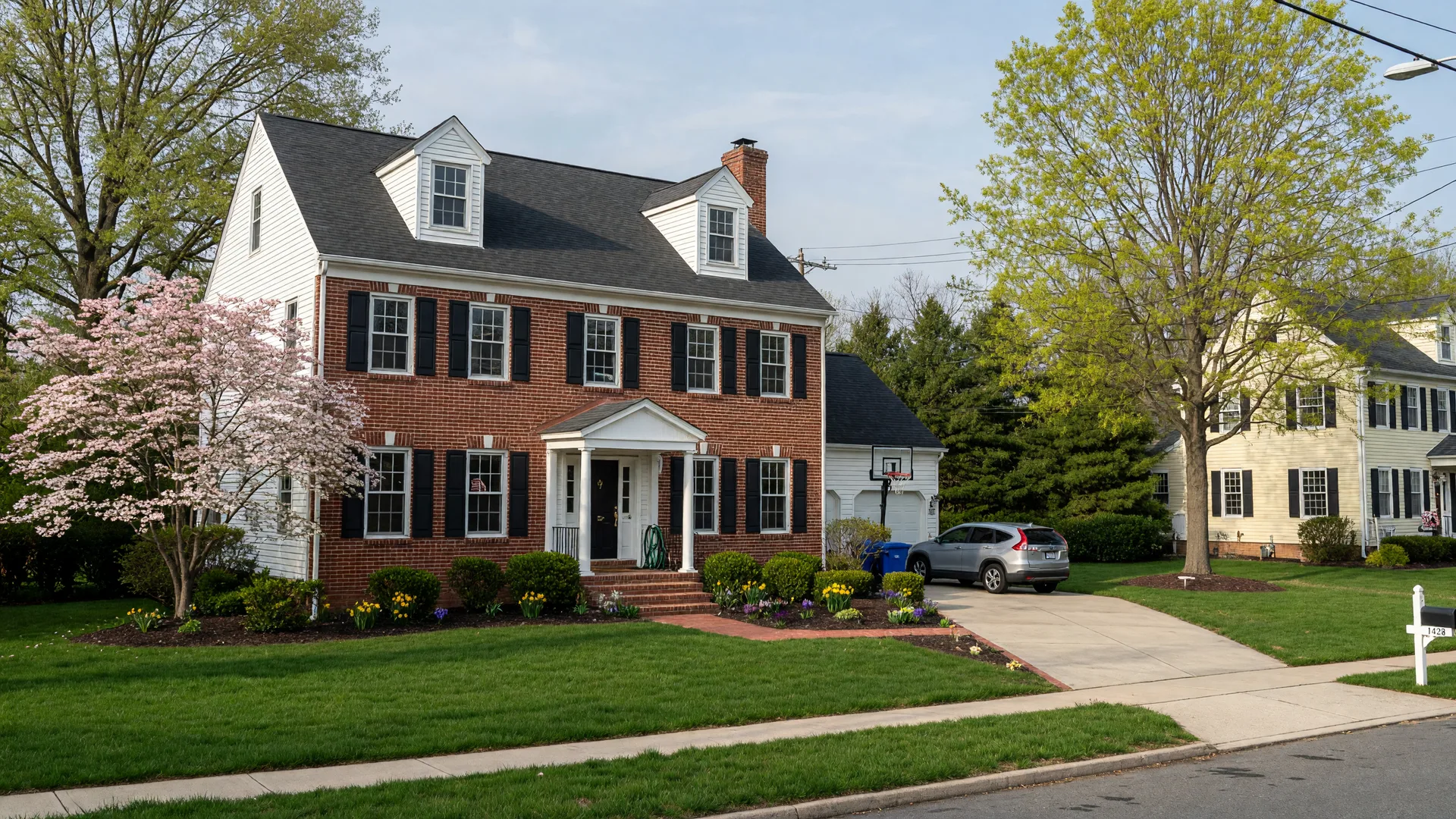
Selling as-is versus making repairs is one of the most important financial decisions a Personal Representative will make. The answer depends on the property's condition, available equity, market conditions, timeline, and the estate's carrying costs. A Probate Value Analysis comparing as-is value, improved value, and net proceeds under each strategy helps you make an informed decision.
Table of Contents
- What "As-Is" Really Means
- When Selling As-Is Makes Sense
- When Repairs Create Significant Value
- Cosmetic Improvements vs. Major Renovations
- Holding Costs
- Risk vs. Reward
- Investor Buyers vs. Owner-Occupant Buyers
- Health and Safety Items Are Not Optional
- Market Conditions
- The Probate Value Analysis
- Net Proceeds Comparison
- What the Numbers Actually Show
- Maryland Case Study
- Common Mistakes
- Questions to Ask
- Marc's Advice
- If This Were My Family
- FAQs
- Repair Decision Worksheet
- Key Takeaways
- Next Steps
What "As-Is" Really Means
When we say a home is sold "as-is," we mean the seller makes no guarantees about the condition of the property and will not pay for repairs after inspection. In a probate sale, as-is is the default position for most estates, because the Personal Representative has no personal knowledge of the property's history and limited authority to spend estate funds on improvements.
But as-is does not mean the seller can hide defects. Maryland law requires sellers to disclose known material defects through a Property Disclosure Statement. Even in an as-is sale, you must disclose what you know about the roof, foundation, HVAC, plumbing, electrical, water damage, and other significant issues. Failing to disclose known problems can expose the estate to legal liability after the sale.
As-is also does not mean the house cannot be inspected. Most buyers, especially those using financing, will conduct a home inspection. The as-is provision means the buyer cannot ask the estate to fix anything found in that inspection. The buyer either accepts the property with its disclosed and discovered flaws, or walks away.
For a deeper look at the documents required in a Maryland probate sale, read our guide on what documents you need to sell a probate house in Maryland.
When Selling As-Is Makes Sense
Selling a probate property as-is is the right choice in several common scenarios:
The home needs major structural repairs. Foundation issues, extensive termite damage, a failing roof, or significant water intrusion are expensive to fix. Buyers who can handle these problems are typically investors with cash, and they will discount the price by at least the cost of repairs plus their profit margin. Even so, the estate may net more by selling as-is than by spending tens of thousands of dollars on repairs that do not produce a dollar-for-dollar return.
The estate has no liquid funds for repairs. If the estate account cannot cover the cost of basic improvements, selling as-is may be the only path. Some beneficiaries can advance funds, but that requires agreement and paperwork. Without cash, as-is is the answer.
The estate needs to close quickly. Probate homes with mounting carrying costs, mortgage payments, taxes, insurance, and utilities drain the estate every month. If the estate is already in a tight financial position, a quick as-is sale to a cash buyer may produce higher net proceeds than a delayed sale after repairs.
The home is in a hot seller's market. When inventory is low and demand is high, buyers are more willing to accept homes in less-than-perfect condition. In this environment, the discount for an as-is property shrinks, making the as-is path more attractive.
The home has already been priced correctly for its condition. If the as-is value already reflects the home's true condition, spending money on repairs may not move the sale price enough to justify the cost, effort, and delay.
For more on when as-is sales work well, see our guide on can you sell a probate house with major repairs in Maryland.
When Repairs Create Significant Value
Just as often, a modest investment in cosmetic repairs produces a substantial increase in sale price. The key is identifying when the conditions are right:
The home is structurally sound but cosmetically dated. If the roof, foundation, HVAC, and plumbing are in reasonable condition, but the interior needs paint, flooring, and cleaning, this is the sweet spot for repairs. The cost is modest, and the return is typically strong.
The estate has cash available for improvements. When the estate can fund repairs from liquid assets, the opportunity to increase net proceeds is real. A $10,000 investment that produces a $30,000 increase in sale price is a win for the estate.
The market supports a premium for move-in ready homes. In many Maryland markets, buyers pay a premium for homes that are clean, painted, and updated. They are willing to pay more because they can move in immediately without the hassle of repairs. The as-is discount is steeper in these markets, making repairs more attractive.
The timeline is flexible. If the estate is not under pressure to close quickly, taking a few weeks to complete cosmetic repairs can generate thousands of dollars in additional net proceeds. The carrying costs during that time are usually far lower than the increase in sale price.
The home is located in a desirable neighborhood. A home in a sought-after school district or convenient location will attract buyers willing to pay more for a move-in ready property. The premium for condition is higher in desirable areas.
To learn which specific repairs produce the best returns, read our guide on What Repairs Give the Best ROI Before Selling a Probate House in Maryland?
Cosmetic Improvements vs. Major Renovations
Not all improvements are created equal. Understanding the difference between cosmetic improvements and major renovations is essential to making the right call for the estate.
Cosmetic improvements are low-cost, high-impact changes that affect buyer perception without altering the home's structure or systems. These include interior paint, flooring refinishing or replacement, professional deep cleaning, landscaping and curb appeal, updated light fixtures, cabinet hardware, and faucet replacement, and decluttering and depersonalizing. Cosmetic improvements typically cost $5,000 to $15,000 and can increase sale price by $20,000 to $50,000 in the right market.
Major renovations are structural or system-level changes that significantly alter the property. These include full kitchen remodels, bathroom gut renovations, room additions, finished basements, new roofing, new HVAC systems, and new windows. Major renovations typically cost $25,000 to $75,000 or more and rarely produce a positive return in a probate sale. The estate spends a dollar and typically recovers 50 to 70 cents of that dollar in increased sale price.
As Personal Representative, your fiduciary duty is to maximize net proceeds for the beneficiaries. That almost always means focusing on cosmetic improvements and avoiding major renovations. The exception is when a major system is non-functional and the home cannot be financed or sold without addressing it. In that case, the repair is not optional, but it is also not an investment with a return, it is a cost of getting the home to a saleable condition.
Holding Costs: The Hidden Factor in Every Decision
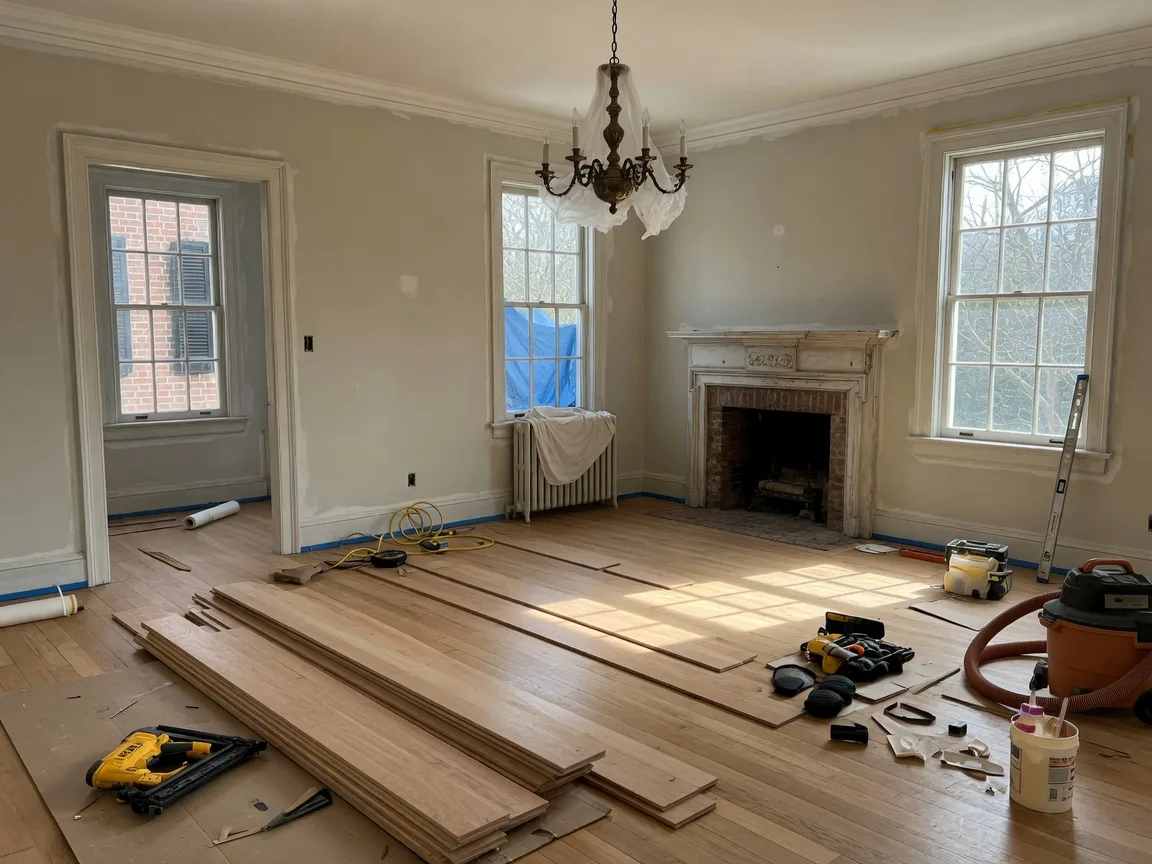
Holding costs are the expenses the estate incurs every month the property remains unsold. These costs are the invisible force that can turn a smart repair decision into a losing one.
Typical monthly holding costs for a Maryland probate property include:
- Mortgage payment (if the estate has one): $1,500 to $3,500 per month
- Property taxes: $300 to $600 per month (about $3,600 to $7,200 per year)
- Homeowners insurance (vacant property policy): $150 to $300 per month
- Utilities (electricity, gas, water, trash): $200 to $500 per month
- Lawn maintenance and snow removal: $100 to $300 per month
- Opportunity cost of delayed distribution to heirs: difficult to quantify but real
A typical Maryland probate home carries $2,250 to $5,200 per month in holding costs. Every month of delay from repairs eats directly into the estate's net proceeds.
When you evaluate whether to make repairs, calculate the holding costs during the repair period and the additional holding costs of a potentially longer market time. If cosmetic repairs take three weeks but the home sells two weeks faster because it shows better, the net effect on holding costs is minimal. If a major renovation takes three months and the market time is the same, the estate has just burned through $7,000 to $15,000 in holding costs that could have been avoided by selling as-is.
For more on who pays estate expenses during probate, see who pays the mortgage, taxes, insurance, and utilities during probate in Maryland.
Risk vs. Reward: The Personal Representative's Calculus
Every decision to repair a probate property involves risk. The Personal Representative must weigh the potential reward against the very real risks:
Risk #1: Cost overruns. Repairs almost always cost more than the initial estimate. A $5,000 paint job can turn into a $10,000 project when the contractor discovers peeling lead paint, damaged drywall, or rotting trim. Always budget a 20% contingency.
Risk #2: Uncovering hidden problems. Pulling up carpet may reveal damaged hardwood. Removing wallpaper may reveal water-damaged drywall. Opening a wall may reveal knob-and-tube wiring. These surprises can turn a cosmetic project into a major renovation.
Risk #3: Market shifts. The market can change during the repair period. If interest rates rise or local inventory increases, the expected sale price may not materialize. The estate is left with repair costs and a lower-than-expected return.
Risk #4: Beneficiary disagreement. Not all beneficiaries will agree on the repair strategy. One heir may want to renovate the home to honor the deceased. Another may want to sell as-is and distribute proceeds quickly. As Personal Representative, you must navigate these disagreements while fulfilling your fiduciary duty.
Risk #5: Missed opportunity from a good as-is offer. While you are spending time and money on repairs, a cash buyer who was willing to pay a fair as-is price may move on to another property. The best offer you had may no longer be available after repairs.
The reward side is straightforward: when cosmetic repairs are done correctly and the market is strong, the net proceeds to the estate can be $20,000 to $80,000 higher than selling as-is. That is a meaningful difference for most families.
The key to managing this risk is the Probate Value Analysis. It gives you a data-driven projection of both paths before you spend a dollar.
Investor Buyers vs. Owner-Occupant Buyers
The type of buyer a property attracts depends heavily on whether it is sold as-is or after repairs. Understanding the buyer pool for each path helps you make the right decision.
As-is properties attract investor buyers. Investors, flippers, and iBuyers look for homes they can purchase below market value, improve, and resell for a profit. They pay in cash, close quickly, and rarely ask for repairs. But they also discount their offers significantly to account for their profit margin and risk. An investor's as-is offer might be 20% to 30% below the fair market value of the home in repaired condition.
Repaired properties attract owner-occupant buyers. Families, first-time homebuyers, and move-up buyers want homes that are clean, safe, and ready to live in. They are willing to pay closer to full market value because they will not have to spend their own time and money on repairs. The premium for a move-in ready home can be substantial, often 10% to 25% more than the as-is value.
Owner-occupant buyers typically use financing. This introduces complexity and risk to the sale. FHA, VA, and conventional loans each have their own property condition requirements. FHA loans require that the property meet Minimum Property Requirements (MPRs), which can include functional heating and cooling, no peeling paint, accessible attic, and more. VA loans have similar requirements. A probate home that needs repairs may not qualify for these loan programs, narrowing the buyer pool to cash or renovation loans.
For a deeper understanding of how financing affects the sale, read does a probate house qualify for financing.
When evaluating your options, consider how a cash offer compares to what the home would fetch on the open market after basic cosmetic improvements. The difference is often larger than Personal Representatives expect. For more on this, read should I accept a cash offer for a probate house in Maryland.
Health and Safety Items Are Not Optional
Cosmetic prep is a choice. Health and safety repairs are not, at least not when the buyer is using a mortgage. Appraisers working FHA, VA, or conventional loans are required to flag certain conditions before the lender will fund the loan. When an appraiser flags one of these items, it is not a suggestion. It is a condition of financing.
The most common items appraisers flag include:
- Peeling, cracking, or chipping paint, especially in homes built before 1978 with lead paint risk
- Exposed or unsafe electrical wiring, missing outlet covers, or an outdated panel
- Missing or broken stair handrails or an unsafe deck or porch
- Broken windows, especially ones that will not open, close, or lock
- Active roof leaks or visible water damage
- Visible mold
- No working heat source
- Missing or non-functioning smoke detectors and carbon monoxide detectors
- Standing water, pest infestation, or visible structural damage
Here is the key distinction: a cash buyer can waive most of this and buy the house as-is, but a financed buyer cannot. Their lender will not release the loan until the flagged items are fixed. So if the buyer pool for the house is financed buyers, these repairs are not an investment in a higher price. They are the cost of the sale closing at all.
Strictness varies by loan program. FHA has the strictest minimum property requirements, VA is close behind, and conventional is the most flexible. A condition that ends an FHA deal outright might be resolvable under a conventional loan, but even conventional appraisers are required to report health and safety issues that affect habitability.
This is where families get burned twice. They skip the health and safety items because the house is being sold as-is, then a financed buyer's appraisal comes back with a repair list, the deal stalls or falls apart, and the house relists looking like a problem property. Fixing the short list of lender-required items before listing keeps the buyer pool open and protects the timeline.
Market Conditions: How the Maryland Market Affects Your Decision
The local real estate market plays a significant role in the as-is versus repairs decision. What works in a seller's market may not work in a buyer's market.
In a seller's market (low inventory, high demand):
- Buyers are more willing to accept as-is properties because they have fewer options
- The discount for as-is homes shrinks
- Homes sell faster, reducing holding costs
- The case for selling as-is is stronger
In a buyer's market (high inventory, low demand):
- Buyers are more selective and expect move-in ready condition
- The discount for as-is homes widens significantly
- Homes sit longer, increasing holding costs
- The case for making repairs is stronger
In a neutral market:
- The decision depends primarily on the property's specific condition
- Cosmetic repairs almost always improve the outcome
- Major renovations still rarely make financial sense
As of 2026, most Maryland markets remain competitive for well-priced, well-presented homes. The inventory shortage that has characterized the post-pandemic market continues in many areas, particularly in Montgomery County, Howard County, and parts of Anne Arundel County. This environment generally favors the as-is path for homes in reasonable condition, because buyers are accustomed to seeing properties that need updates but are structurally sound.
The Probate Value Analysis: Your Decision-Making Tool
The most important tool in the as-is versus repairs decision is the Probate Value Analysis. This is a structured comparison of the property's value under different scenarios:
The Probate Value Analysis compares three numbers:
- As-Is Value: What the property is worth today, in its current condition, to a cash buyer or investor
- After-Repair Value (ARV): What the property would be worth after a defined set of cosmetic or structural improvements
- Net Proceeds Under Each Path: The amount the estate would receive after subtracting all costs (repairs, holding costs, commissions, closing costs, and any outstanding debt)
A proper Probate Value Analysis gives the Personal Representative a data-driven answer to the central question: Which path produces the highest net proceeds for the estate?
Maryland Probate Tip
Do not rely on Zillow or online estimates for your Probate Value Analysis. These tools do not account for the specific condition of the property, the probate discount, or the unique dynamics of estate sales. A professional Broker Price Opinion from an experienced probate agent gives you numbers you can defend to the court, the beneficiaries, and yourself.
For more on how to value a probate property, read how to value a house for probate purposes and how much is my inherited house worth in Maryland.
Net Proceeds Comparison: The Only Number That Matters
The selling price is not the estate's net proceeds. To make an informed decision, you must calculate the net proceeds under each path. Here is how the math works:
Net Proceeds = Sale Price minus (Repair Costs + Holding Costs + Commission + Closing Costs + Outstanding Debt)
Let us compare two scenarios for a Maryland probate home with an as-is value of $420,000 and an after-repair value of $520,000:
Scenario A: Sell As-Is
- Sale price: $420,000
- Repair costs: $0
- Holding costs (1 month): $2,500
- Real estate commission (5%): $21,000
- Closing costs (1.5%): $6,300
- Outstanding mortgage balance: $80,000
- Estimated Net Proceeds: $310,200
Scenario B: Make Cosmetic Repairs and List on Open Market
- Sale price: $520,000
- Repair costs: $12,000
- Holding costs (2.5 months: 3 weeks repairs + 4 weeks market time + 2 weeks closing): $6,250
- Real estate commission (5%): $26,000
- Closing costs (1.5%): $7,800
- Outstanding mortgage balance: $80,000
- Estimated Net Proceeds: $387,950
In this example, the estate nets $77,750 more by investing $12,000 in cosmetic repairs and selling on the open market. That $12,000 investment produced a $77,750 increase in net proceeds, a return of approximately 6.5x.
But the numbers depend heavily on the specific property, market, and cost estimates. That is why you need a Probate Value Analysis tailored to your property before making a decision.
Real Example From Our Track Record
An estate with deferred maintenance had a cash offer of $793,000. After paint, cleanup, and professional staging with about three weeks of preparation, the property closed at $1,412,000 in 8 days. See the full track record with cost context →
Maryland Case Study: Three Options Compared
A Personal Representative in Montgomery County contacted me about a 1,800-square-foot colonial in Silver Spring. The home had been owned by the same family for 52 years. The roof was 15 years old, the HVAC was 18 years old and functional, the kitchen and bathrooms were original to the house, and the interior needed paint, flooring, and a deep clean throughout. The estate had no mortgage.
We ran the numbers on three paths: sell today as-is, make cosmetic improvements, and complete a major renovation. Here is what we found:
Option 1: Sell Today As-Is
- Cash offer from investor: $395,000
- Repair costs: $0
- Holding costs (1 month to close): $2,200
- Commission (none for direct cash sale): $0
- Closing costs (buyer covers most): $3,950
- Net Proceeds: $388,850
- Timeline: Close in 14 to 21 days
Option 2: Cosmetic Improvements + Open Market Listing
- After-repair projected sale price: $510,000
- Repair scope: interior paint ($3,200), refinished hardwood floors ($4,500), deep cleaning ($700), landscaping ($800), updated light fixtures ($900), new kitchen hardware and faucet ($400), power wash exterior ($500)
- Total repair cost: $11,000
- Holding costs (3 months: 1 month repairs + 6 weeks market + 2 weeks closing): $6,600
- Commission (5%): $25,500
- Closing costs (1.5%): $7,650
- Net Proceeds: $459,250
- Timeline: Close in 90 to 120 days
Option 3: Major Renovation + Open Market Listing
- After-renovation projected sale price: $580,000
- Renovation scope: new kitchen ($35,000), two bathroom remodels ($25,000), new flooring throughout ($12,000), new paint ($4,000), new appliances ($6,000), landscaping ($1,500)
- Total renovation cost: $83,500
- Holding costs (5 months: 3 months renovation + 6 weeks market + 2 weeks closing): $11,000
- Commission (5%): $29,000
- Closing costs (1.5%): $8,700
- Net Proceeds: $447,800
- Timeline: Close in 150 to 180 days
The result: Option 2, cosmetic improvements and open market listing, produced the highest net proceeds at $459,250. Option 3, major renovation, produced less net proceeds than Option 2 despite the higher sale price, because the renovation costs and carrying costs consumed the additional value. Option 1, selling as-is, was the fastest but left $70,400 on the table compared to the cosmetic improvement path.
The Personal Representative chose Option 2. The home received three offers in 10 days on market and sold for $515,000, generating net proceeds of approximately $464,000, slightly above our projection. The beneficiaries were pleased, and the court approved the sale without issue.
What the Numbers Actually Show
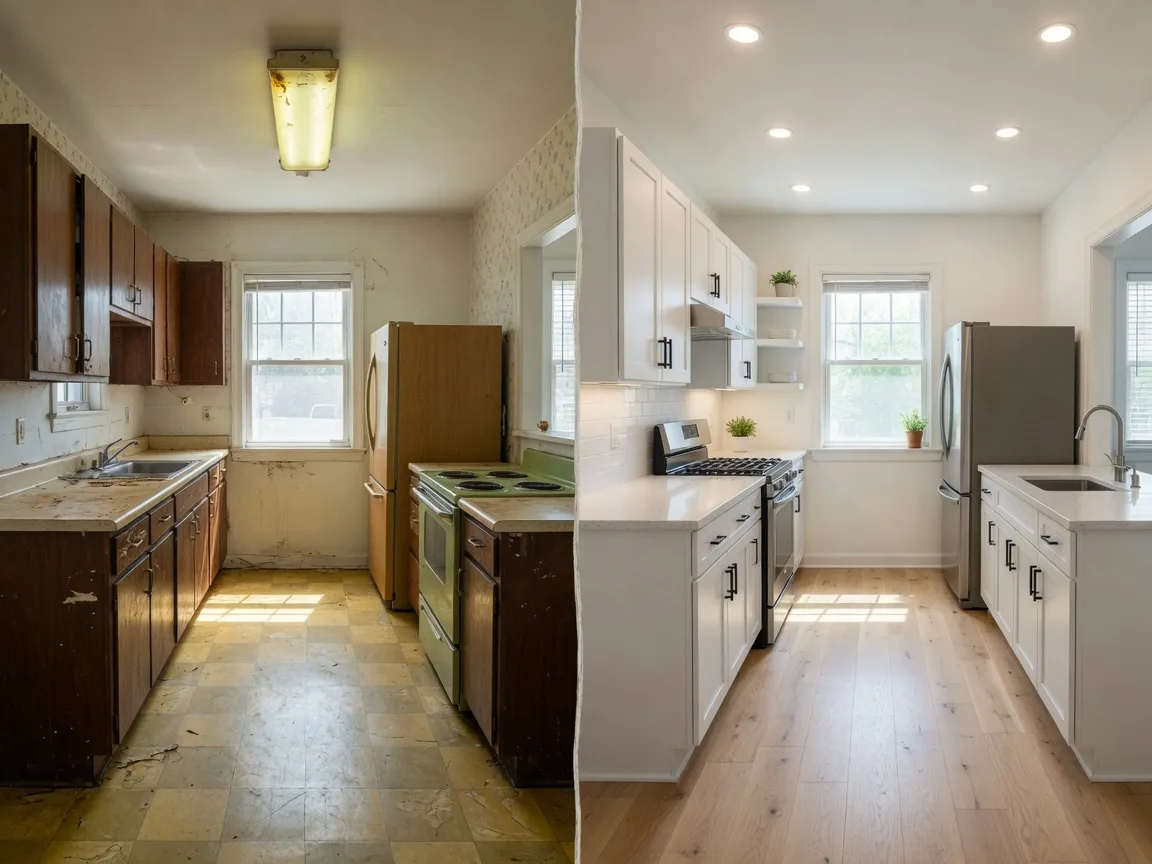
A full-renovation case from Cashell Estates shows just how wide the as-is versus fixed-up gap can get. The Estate of Eileen H. E property drew cash offers of $190,000 to $235,000 as-is. After roughly $70,000 in renovation and staging, the home sold for $473,500, more than double the strongest as-is offer. For that property, the fixed-up path was dramatically more profitable than any as-is path.
But here is what most inherited homes do not need: a $70,000 renovation. The E property is the exception, not the rule. Most probate homes close most of the gap with the cheap version of prep: decluttering, a deep clean, minor paint touch-ups, and maybe new carpet in one room. Add the lender-required repairs and that short, inexpensive list is usually enough to move the house out of the investor discount and into the owner-occupant buyer pool, without spending anywhere near what a full renovation costs.
Common Mistakes Personal Representatives Make
Mistake #1: Assuming as-is means less money. Many Personal Representatives assume a cash as-is offer is always a lowball. In reality, a fair cash offer can be competitive with open market proceeds, especially when you factor in repair costs, holding costs, commissions, and closing costs. Always compare the net proceeds, not the sale price.
Mistake #2: Over-improving the property. Spending $50,000 on renovations for a home that will sell for $30,000 more is a net loss for the estate. Renovations should improve the property for the market, not to a personal standard. Focus on what buyers in that price range and neighborhood expect.
Mistake #3: Underestimating carrying costs. Every month the property remains unsold costs the estate. A repair project that takes three months instead of three weeks can wipe out the profit from the improvements.
Mistake #4: Failing to document decisions. As Personal Representative, you must be able to show the court and the beneficiaries that you made informed, prudent decisions. Keep a written record of every offer received, every repair estimate obtained, and every decision made with the supporting rationale.
Mistake #5: Ignoring financing requirements. Some buyers using FHA or VA loans may require repairs before closing. If you price a probate home for owner-occupant buyers but do not address the issues that FHA appraisers flag, you may find yourself renegotiating or losing a buyer after weeks of negotiation.
Mistake #6: Making emotional decisions. The family home has sentimental value. Beneficiaries may want to see the home restored to its former glory. But the estate's money is not emotional capital. Every dollar must be spent with the sole goal of maximizing net proceeds for all beneficiaries.
For a broader view of common errors, read what are the common mistakes in probate real estate.
Questions to Ask Before Making Your Decision
Before choosing between selling as-is and making repairs, ask these questions:
- What is the home worth in its current condition? Get a real number, not an online estimate.
- What is the after-repair value for cosmetic improvements only?
- What is the after-repair value for a major renovation?
- What will the repairs cost? Get written quotes from licensed contractors.
- How long will the repairs take?
- What are the estate's monthly holding costs?
- How long will it take to sell the home after repairs?
- Do we have cash available for repairs?
- What is the net proceeds comparison under each scenario?
- Have we gotten a cash as-is offer to use as a baseline?
- What do the comparable sales in the neighborhood tell us about what buyers will pay?
- Are the beneficiaries aligned on the strategy?
Marc's Advice: When to Repair and When to Sell As-Is
I have sat across the table from hundreds of Personal Representatives facing this exact decision. The ones who make the best calls are the ones who approach it like an investment analysis, not a real estate decision. They get the as-is number first. Then they get the after-repair number. Then they do the math on net proceeds, including every cost the estate will incur between today and the closing date. If the math says repair, they repair. If it says sell as-is, they sell as-is. No ego, no sentiment, just fiduciary duty in action. The biggest mistake I see is skipping step one: getting a real as-is cash offer to use as a baseline. Without that number, you are making decisions in the dark. Get the baseline. Do the math. Then decide.
Marc Cormier, Realtor & Probate Specialist
If This Were My Family
If This Were My Family...
If this were my family, I would start by getting a Probate Value Analysis that compares three clear paths: sell as-is, make cosmetic improvements, and complete a major renovation. I would not spend a dollar on repairs until I had that analysis in hand. I would get a written cash offer from a reputable investor as my baseline, then compare it to what the home would likely sell for after $10,000 to $15,000 in cosmetic work. I would choose the path that maximizes net proceeds for the estate, not the path that makes the home look prettiest or honors the deceased's memory the most. And I would document every step so that when the beneficiaries or the court ask why I made the choices I did, I can show them the math. That is not just good business. That is how you fulfill your duty as Personal Representative.
Frequently Asked Questions
Is it better to sell a probate house as-is or make repairs?
There is no universal answer. The better choice depends on the property's condition, the estate's timeline and cash position, the local market, and a careful comparison of net proceeds under each path. A Probate Value Analysis comparing as-is value, after-repair value, and net proceeds provides the data you need to decide.
Do I have to disclose defects if I sell as-is?
Yes. Maryland law requires sellers to disclose known material defects regardless of whether the sale is as-is. The as-is provision means you will not pay for repairs after inspection, but you must still disclose what you know about the property's condition.
Can the estate use funds for repairs if there is no cash available?
If the estate lacks liquid funds, the Personal Representative may ask beneficiaries to advance funds, seek a loan from a private lender, or consider a cash advance from a real estate investor who agrees to be repaid from the sale proceeds. These options require documentation and, in some cases, court approval.
How much does a cash investor typically discount an as-is offer?
The discount varies based on the property's condition, the investor's projected repair costs, their required profit margin, and the local market. Typical discounts range from 20% to 35% below the repaired market value. A fair cash offer for a $500,000 home in need of cosmetic updates might be $350,000 to $400,000.
How long do cosmetic repairs typically take?
A well-managed cosmetic repair project typically takes two to four weeks. This includes painting, flooring, cleaning, landscaping, and light fixture updates. Major renovations take two to six months and are rarely justified in a probate sale.
Should I list the home on the open market while also pursuing cash offers?
Yes. This is a common strategy that gives the estate the best of both worlds. List the home on the MLS to attract owner-occupant buyers while also soliciting cash offers from investors. You can compare all offers side by side and choose the one with the best combination of price, terms, and certainty of closing.
Can I accept an as-is cash offer and keep it as a backup while listing the home?
Yes. Some cash buyers will agree to serve as a backup offer while the estate tries the open market. If the home sells on the open market for a higher price, the cash buyer walks away. If the home does not sell, the cash buyer provides a guaranteed closing. This is a smart risk management strategy.
What repairs are required to qualify for FHA or VA financing?
FHA loans require functional heating and cooling, no peeling paint (in homes built before 1978), accessible attic, no standing water in crawlspaces, and no safety hazards. VA loans require similar minimum property requirements. For more details, read probate home inspection in Maryland.
What if I start repairs and find hidden problems I cannot afford to fix?
Pause the project immediately. Reassess whether it still makes financial sense. You may decide to stop repairs and sell the home as-is. Some investors will buy a partially renovated home. This is why you always include a contingency in your repair budget and why you never spend all the estate's available cash on the first phase of work.
Should I stage the probate home if I decide to make repairs and list it?
Partial staging is often worth the investment, especially for the living room, primary bedroom, and kitchen. Staging helps buyers visualize themselves living in the home, which can lead to higher offers. For a more detailed analysis, read should you stage a probate house before selling it in Maryland.
What if the heirs disagree on whether to spend money on repairs?
This comes up in almost every estate sale with more than one heir. The fix is getting agreement in writing on a repair budget ceiling before any work starts, not after the first invoice.
Repair Decision Worksheet for Personal Representatives
Use this simple worksheet to work through the as-is versus repairs decision. Copy these questions into a notebook or document and answer each one with real numbers.
Step 1: Get Your Baseline Numbers
- As-is cash offer received: $________
- Estimated as-is market value (if listed on MLS): $________
- Estimated after-repair value (cosmetic improvements only): $________
- Estimated after-repair value (major renovation): $________
Step 2: Estimate Repair Costs
- Cosmetic improvements (paint, floors, cleaning, landscaping, fixtures): $________
- Major renovation (kitchen, baths, structural): $________
- Contingency (15% to 20%): $________
Step 3: Calculate Holding Costs
- Monthly holding costs (mortgage, taxes, insurance, utilities, maintenance): $________
- Months to complete repairs and sell (cosmetic): ________ months x $________ = $________
- Months to complete repairs and sell (major): ________ months x $________ = $________
Step 4: Calculate Net Proceeds for Each Path
Path A: Sell As-Is
- Sale price: $________
- Minus commission: $________
- Minus closing costs: $________
- Minus holding costs: $________
- Minus outstanding debt: $________
- Net Proceeds: $________
Path B: Cosmetic Improvements + Market Listing
- Sale price: $________
- Minus repair costs: $________
- Minus commission: $________
- Minus closing costs: $________
- Minus holding costs: $________
- Minus outstanding debt: $________
- Net Proceeds: $________
Path C: Major Renovation + Market Listing
- Sale price: $________
- Minus repair costs: $________
- Minus commission: $________
- Minus closing costs: $________
- Minus holding costs: $________
- Minus outstanding debt: $________
- Net Proceeds: $________
Step 5: Choose the Path with the Highest Net Proceeds
Document your decision and the supporting numbers. Share with the beneficiaries and, if required, the court. Move forward with confidence knowing you made an informed, data-driven decision that fulfills your fiduciary duty.
Key Takeaways
- Selling as-is is often the right choice when the home needs major structural repairs, the estate has no cash, the timeline is tight, or the market is strong enough that the as-is discount is small.
- Cosmetic repairs produce the highest return when the home is structurally sound but cosmetically outdated, the estate has cash available, the market rewards move-in ready homes, and the timeline allows for a few weeks of preparation.
- Major renovations rarely produce a positive return in a probate sale. The costs and carrying time almost always exceed the increase in sale price.
- The Probate Value Analysis comparing net proceeds under each path is the single most important tool for making this decision.
- Always get a cash as-is offer as a baseline before spending estate funds on repairs.
- Document every decision, every estimate, and every dollar spent to fulfill your fiduciary duty to the estate and its beneficiaries.
Ready to Compare Your Options? Get an Instant Offer and a Free Probate Value Analysis
Before you decide whether to sell as-is or make repairs, you need real numbers. Get a cash offer on your probate property in its current condition, plus a professional assessment of what the home would be worth after cosmetic improvements. Comparing these numbers side by side is the only way to make an informed, data-driven decision that maximizes the estate's value.
Marc Cormier has helped hundreds of Maryland Personal Representatives navigate this decision. We provide a comprehensive Probate Value Analysis that includes every number you need: as-is value, after-repair value, net proceeds under each path, and a clear recommendation based on the math.
Get an Instant Offer on Your Maryland Probate Property
See exactly what your probate property is worth as-is, with no obligation and no commitment. Use that number as your baseline to compare all your options.
Get Instant OfferNeed a Full Probate Value Analysis?
We provide a written comparison of as-is value, after-repair value, and net proceeds under every scenario so you can make the best decision for the estate.
Explore Your Full Range of Options
The as-is versus repairs decision is just one part of the probate sales process. Explore these related guides to understand every angle:
Legal Note
For legal questions about your responsibilities as a Personal Representative, consult a competent Maryland probate attorney.
Legal Note
If family members disagree about legal rights or the administration of the estate, seek advice from competent legal counsel.
Legal Note
Court requirements vary depending on the circumstances of the estate. Consult your probate attorney for guidance.