Ultimate Guide
August 2, 2026 · Marc Cormier
What Repairs Give the Best Return on Investment Before Selling a Probate House in Maryland?
Quick Answer
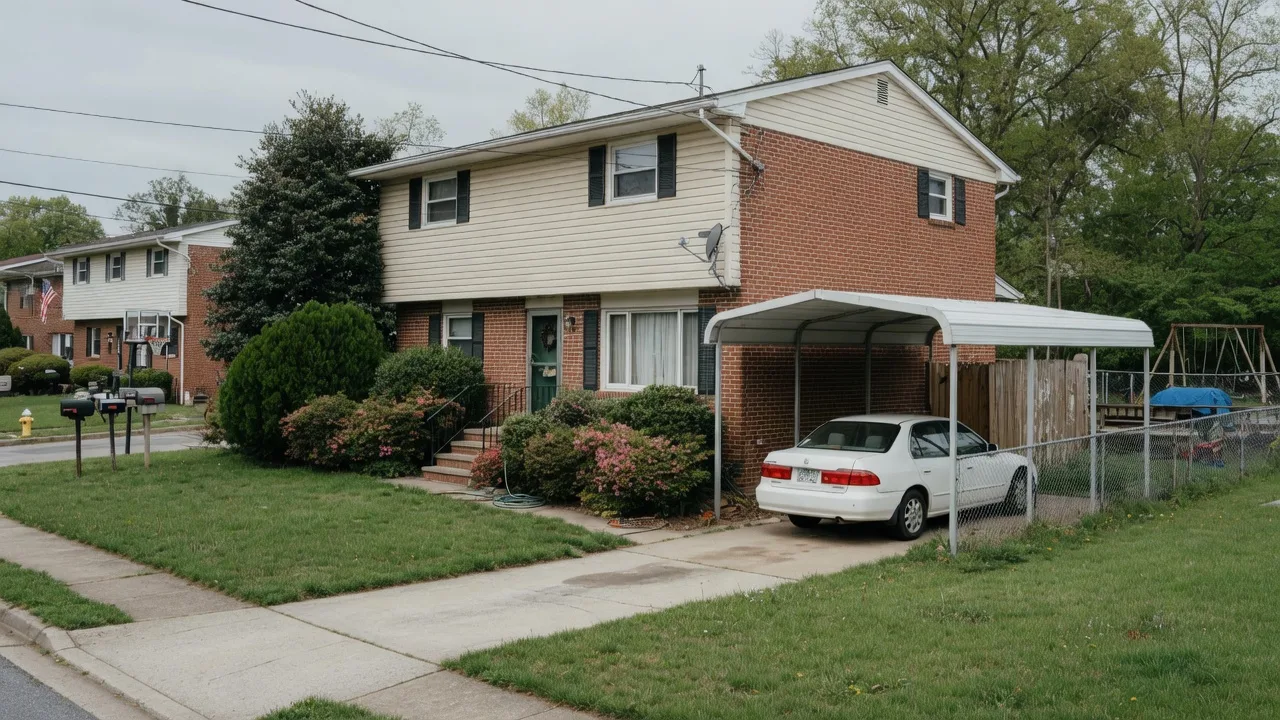
The repairs that deliver the best return on investment for a Maryland probate home are cosmetic and structural improvements that directly affect buyer perception: interior paint, hardwood floor refinishing or quality flooring, deep cleaning and decluttering, professional landscaping and curb appeal, updated lighting fixtures, and minor kitchen and bathroom updates. Major renovations like kitchen gut jobs, luxury bathroom remodels, room additions, and swimming pools rarely pay for themselves in a probate sale. As Personal Representative, your goal is to maximize net proceeds for the estate, not to create a dream home. Every dollar spent on repairs should increase the sale price by at least as much as it costs.
Table of Contents
- Why Repairs Matter in a Probate Sale
- Your Fiduciary Duty and Repair Decisions
- Should You Repair or Sell As-Is?
- Understanding ROI in a Probate Context
- The 10 Repairs That Usually Produce the Best ROI
- Repairs That Rarely Pay for Themselves
- What Maryland Home Buyers Really Notice
- Creating a Repair Budget for the Estate
- Maryland Case Study
- Common Mistakes
- Questions to Ask Before Spending Money
- Marc's Advice
- Frequently Asked Questions
- Key Takeaways
- Get an Instant Offer
Why Repairs Matter in a Probate Sale
Probate homes are often sold in as-is condition. That is sometimes the right choice. But for many Maryland estates, a modest investment in targeted repairs can produce a significantly higher sale price. The question is not whether to spend money. The question is where to spend it for the highest return.
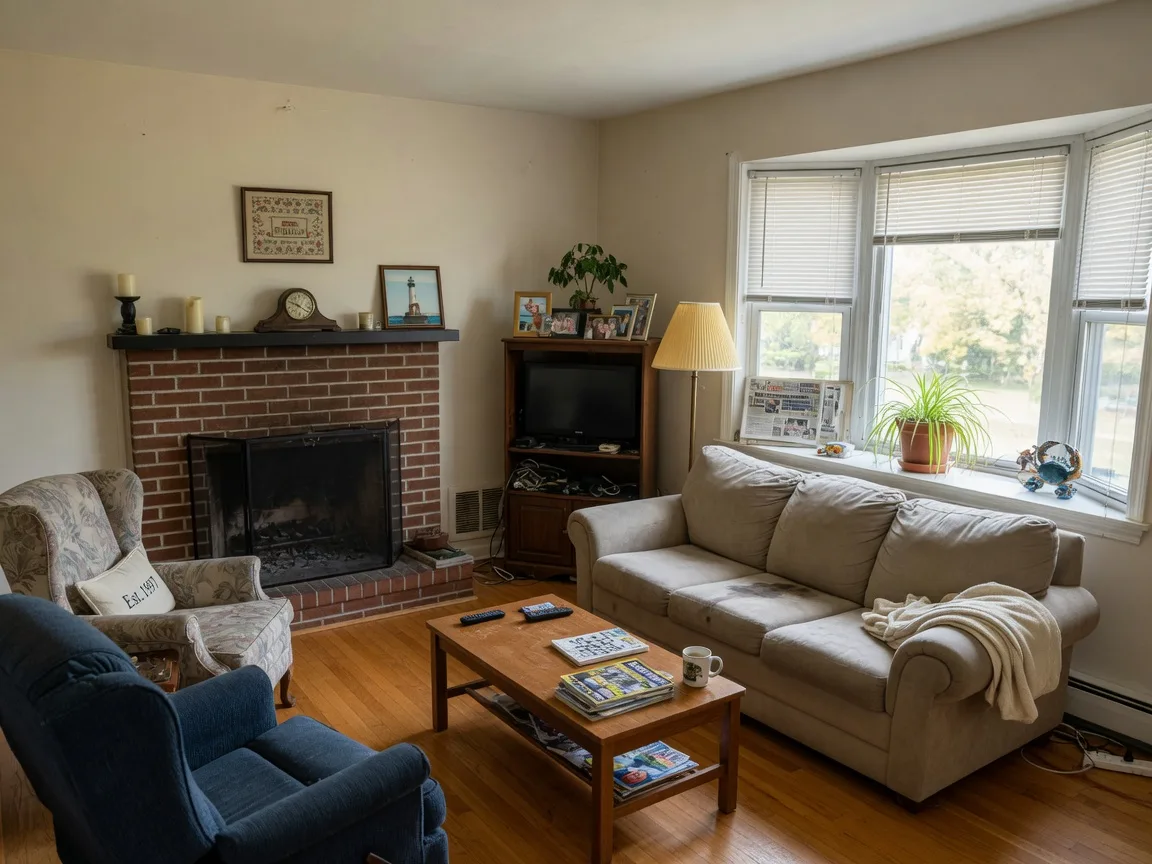
When a home has been owned by the same family for decades, deferred maintenance is common. Worn carpet, peeling paint, overgrown landscaping, outdated fixtures, and cluttered spaces can make even a structurally sound home look neglected. Buyers mentally subtract repair costs from their offer price. A home that looks move-in ready commands a premium over one that feels like a project.
The key is understanding which repairs actually increase the sale price enough to justify their cost. Not every improvement produces a positive return, and some improvements can actually reduce the net proceeds available to the estate.
Your Fiduciary Duty and Repair Decisions
As the Personal Representative of a Maryland estate, you have a legal obligation to act in the best interests of the beneficiaries. This fiduciary duty extends to every decision you make, including how the estate spends money on repairs.
That does not mean you must renovate. It means you must make informed, reasonable decisions. Before spending estate funds on any repair, you should be able to answer two questions: How much will this cost? And how much additional value will it generate?
Maryland Probate Tip
Document every repair decision and its rationale. If a beneficiary or the court later questions why estate funds were spent on specific improvements, your documentation shows you acted prudently and in the estate's best interest.
Should You Repair or Sell As-Is?
This is the central question for every Personal Representative. The answer depends on several factors:
The condition of the home. A home with minor cosmetic issues is an excellent candidate for targeted repairs. A home with significant structural problems, foundation issues, or major system failures may be better sold as-is to an investor who specializes in those challenges.
The estate's timeline. Repairs take time. If the estate needs to close quickly to pay creditors, taxes, or ongoing carrying costs, selling as-is may be the better choice. If the estate can afford a few weeks of preparation, repairs often pay off.
The available cash. The estate may not have liquid funds available for repairs. In that case, a cash offer from an investor or selling as-is may be the only realistic option.
The local market. In a seller's market with limited inventory, buyers may be more willing to overlook cosmetic flaws. In a buyer's market, a move-in ready home stands out.
For more on evaluating whether improvements make sense, see our guide on whether you should renovate an inherited house before selling it in Maryland.
Understanding ROI in a Probate Context
Return on investment (ROI) in probate real estate is measured differently than in a typical home sale. For a homeowner, a renovation might be about personal enjoyment or long-term resale value. For a Personal Representative, the only measure that matters is: Does this repair increase the net proceeds available to the estate by more than it costs?
Net proceeds = Sale price minus (repair costs + carrying costs + commissions + closing costs).
- If a $5,000 paint job increases the sale price by $15,000, that is a positive ROI.
- If a $30,000 kitchen renovation increases the sale price by $20,000, that is a negative ROI.
- If spending $0 and selling as-is produces higher net proceeds than spending $10,000 on repairs and selling for a higher price, the as-is path is the better fiduciary decision.
Always compare the as-is net proceeds to the after-repair net proceeds before spending a dollar. That single calculation protects you as Personal Representative and protects the estate's value.
For a deeper understanding of how to evaluate your options, read our guide on how to price a probate house in Maryland.
The 10 Repairs That Usually Produce the Best ROI
Based on my experience with hundreds of probate transactions in Maryland, these are the investments that consistently deliver the highest returns:
1. Interior Paint. Fresh paint in neutral tones is the single highest-return investment you can make. A coat of paint makes every room look cleaner, brighter, and newer. Cost typically ranges from $1,500 to $4,000 for a full home. The perceived value increase can be $10,000 or more.
2. Professional Deep Cleaning. A clean home sells faster and for more money. In probate homes that have been vacant for months or years, dust, odors, and grime accumulate. Professional cleaning, including carpets and windows, costs $400 to $1,000 and removes one of the biggest buyer objections at the door.
3. Decluttering and Depersonalizing. When a home is filled with a lifetime of belongings, buyers cannot see themselves living there. Removing excess furniture, personal items, and clutter opens up the space. In many probate situations, an estate sale company handles the contents, but a final sweep of remaining items is essential.
4. Flooring Refresh. Worn carpet is one of the first things buyers notice. Refinishing existing hardwood floors costs $3 to $5 per square foot and can transform a home. If hardwood is not available, quality LVP (luxury vinyl plank) flooring offers excellent durability and appearance at $4 to $8 per square foot installed.
5. Landscaping and Curb Appeal. The first impression starts at the curb. Mowing, pruning, mulching, planting fresh flowers, and power washing the driveway and walkway cost $500 to $2,000. The impact on buyer perception is immediate and substantial.
6. Minor Kitchen Updates. A full kitchen renovation is rarely cost-effective. But replacing cabinet hardware, painting cabinets, updating the faucet, and installing a modern backsplash costs $1,000 to $3,000 and makes the kitchen look significantly updated.
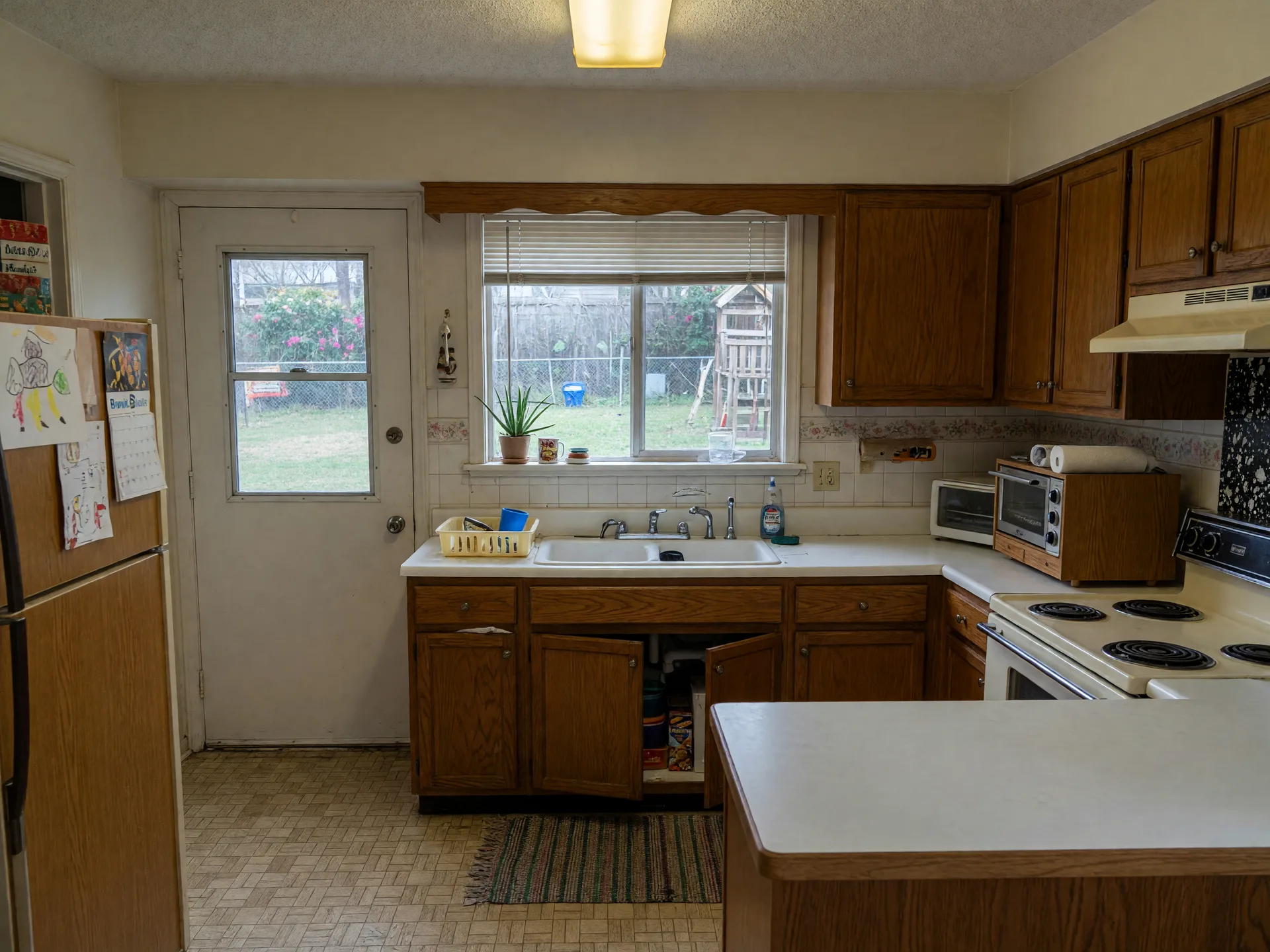
7. Minor Bathroom Updates. Similarly, a full bathroom remodel is expensive. But regrouting tile, replacing the vanity, updating fixtures, adding a new mirror, and fresh paint can be done for $1,500 to $4,000 and significantly improves buyer perception.
8. Updated Lighting. Outdated light fixtures make a home feel old. Replacing builder-grade fixtures with modern, bright alternatives costs $300 to $1,500 total and dramatically changes the feel of a home. Brighter rooms also photograph better for online listings.
9. Power Washing Exterior. Mold, mildew, dirt, and peeling paint on the outside of the home make it look neglected. Power washing the siding, driveway, walkways, and deck costs $300 to $600 and provides an immediate facelift.
10. Addressing Health and Safety Issues. This is non-negotiable. Handrails, smoke detectors, carbon monoxide detectors, and visible electrical hazards should be addressed regardless of ROI. Buyers' inspections will flag these, and they can delay or kill a sale.
Track Record
Real example: An estate with deferred maintenance had a cash offer of $793,000. After paint, cleanup, and staging, it closed at $1,412,000. See the full track record →
Repairs That Rarely Pay for Themselves
Just as important as knowing what to fix is knowing what to leave alone. These improvements rarely produce a positive return in a probate sale:
Full Kitchen Remodel. A complete kitchen renovation can cost $30,000 to $70,000. While it may increase the home's value, the return is typically far lower than the cost, especially if the rest of the home is not updated to match.
Luxury Bathroom Renovation. High-end tile, soaking tubs, custom showers, and designer fixtures add cost but rarely increase the sale price proportionally. Buyers expect functional bathrooms, not luxury spas in a probate home.
Swimming Pool Installation or Repair. A pool appeals to a narrow segment of buyers. Many buyers view pools as a maintenance burden. The cost of installing or repairing a pool rarely translates into a higher offer.
Room Additions. Adding square footage is expensive and time-consuming. The return on additions varies dramatically by market and is almost never justifiable in a probate context where speed and net proceeds are the priorities.
Finished Basement. Finishing a basement costs $30,000 to $70,000. While it adds livable space, the ROI is typically low, and the project takes weeks or months. An unfinished basement that is clean, dry, and well-lit is usually sufficient.
New Roof (Unless Leaking). A roof with a few years of life remaining does not need replacement. Only replace the roof if it is actively leaking, missing shingles, or flagged as a defect by a home inspection. Otherwise, disclose the age and let the buyer decide.
New HVAC Systems (Unless Non-Functional). Like the roof, only replace an HVAC system if it is not functioning. Buyers expect disclosure, not a brand-new system. If the system works, even if it is older, leave it in place and adjust the price accordingly.
What Maryland Home Buyers Really Notice
When buyers walk through a probate home, they notice specific things that influence their offer. Understanding these helps you prioritize repairs:
- Smell. Musty, smoky, or stale odors are the single biggest turnoff. Professional cleaning, odor removal, and fresh air are essential.
- Paint condition. Chipped, faded, or bold-colored walls signal neglect. Fresh neutral paint signals a well-maintained home.
- Flooring. Worn, stained, or dated carpet makes a home feel dirty and old. Clean floors or new flooring change the entire feel.
- Kitchen and bathrooms. Buyers focus heavily on these two rooms. They do not need to be luxury, but they need to be clean, functional, and visually acceptable.
- Light and brightness. Dark rooms feel small and uninviting. Clean windows, fresh light bulbs, and updated fixtures make spaces feel larger and more welcoming.
- Curb appeal. Buyers decide whether to enter a home within seconds of pulling up. Overgrown landscaping, peeling paint, and clutter signal deferred maintenance throughout.
- Signs of water damage. Stains on ceilings or walls, warped flooring, or musty basements raise immediate red flags about expensive hidden problems.
Creating a Repair Budget for the Estate
Once you have identified which repairs make sense, create a written budget. Share it with the beneficiaries and, if required, the court. Your budget should include:
- Itemized list of recommended repairs
- Estimated cost for each item
- Expected impact on sale price
- Estimated timeline
- Funding source (estate cash, advance from beneficiary, or other)
A written budget protects you. It shows you approached the decision methodically, with the estate's best interests in mind. It also prevents scope creep, where one small repair leads to a much larger project.
A reasonable probate repair budget typically runs between 1% and 3% of the home's as-is value. For a $500,000 home, that is $5,000 to $15,000. This level of investment is usually sufficient to address the cosmetic issues that affect buyer perception without over-improving the property.
Real Example: Repairs That Paid Off
In Arlington, VA, a probate estate invested in a full cleanout plus paint, kitchen, bathroom, flooring, and lighting updates. The cash offer was $490,560. The final sale price: $831,800, a difference of $341,240. See the full Track Record for all four closings.
Maryland Case Study
A Personal Representative contacted me about a home in Montgomery County that had been owned by the same family for 38 years. The home was structurally sound, but the interior was stuck in the 1980s: mauve carpet throughout, floral wallpaper in the kitchen, avocado-green bathroom fixtures, heavy drapes blocking natural light, and overgrown landscaping hiding the front entrance.
We compared three paths: sell as-is, make cosmetic repairs, or complete a major renovation. The as-is cash offer from an investor was $420,000. The estimated after-repair value with cosmetic fixes was $510,000 to $530,000. The estate had approximately $12,000 available for repairs.
We chose a targeted approach: remove the carpet and refinish the hardwood underneath ($3,200), paint the entire interior in a warm neutral tone ($2,800), remove wallpaper and update light fixtures ($1,200), professional deep cleaning ($600), landscaping cleanup and mulching ($800), replace kitchen and bathroom cabinet hardware and faucets ($900), and power wash the exterior ($400). Total investment: $9,900.
The home received four offers in the first week and sold for $515,000, generating a net gain of approximately $85,000 over the as-is cash offer, minus the $9,900 in repair costs. The estate netted roughly $75,000 more than it would have by selling as-is. The Personal Representative's documented budget and rationale were well received by both the beneficiaries and the court.
Common Mistakes Personal Representatives Make With Repairs
Mistake #1: Spending money on renovations that buyers cannot see. New plumbing behind walls, upgraded electrical panels, and new water heaters are important, but they do not increase the sale price as much as cosmetic improvements.
Mistake #2: Over-improving for the neighborhood. If the surrounding homes sell for $400,000, spending $50,000 on upgrades to make the home worth $450,000 may sound good, but you will not recoup the full investment. Buyers will not pay a premium beyond what the neighborhood supports.
Mistake #3: Making emotional decisions. It is easy to want to honor the deceased by making the home beautiful. That sentiment, while understandable, can lead to spending estate funds on improvements that do not produce a financial return.
Mistake #4: Starting repairs without a clear budget or timeline. A project that drags on for months drains the estate through carrying costs: mortgage payments, insurance, utilities, property taxes, and maintenance.
Mistake #5: Failing to compare as-is offers before starting repairs. An investor may offer a fair price for the property in its current condition. Comparing that offer to your after-repair projections ensures you are not spending money unnecessarily.
For a broader view of probate pitfalls, read common mistakes in probate real estate.
Questions to Ask Before Spending Money on Repairs
Before spending a dollar of estate funds on repairs, ask these questions:
- What is the home worth as-is today?
- What is the home worth after these specific repairs?
- What will the repairs cost?
- How long will the repairs take?
- What are the estate's carrying costs during that time?
- Do we have a written quote from a licensed contractor?
- Have we compared this path to a cash-as-is offer?
- What would happen if the repairs uncover additional problems?
- Are the beneficiaries in agreement with this approach?
- Does this repair make financial sense for the estate, not just emotional sense?
For a deeper look at evaluating offers, see Should I Accept a Cash Offer for a Probate House in Maryland?
Marc's Advice
After 27 years in probate real estate, I have seen the same pattern repeat: Personal Representatives either do too much or too little. The ones who do too little leave money on the table because they never invest in basic cosmetic improvements. The ones who do too much drain the estate on renovations that buyers do not value. The sweet spot is modest, targeted investment in the things buyers see first: paint, floors, cleanliness, curb appeal, and light. A probate home does not need to be perfect. It needs to look well cared for and move-in ready. Every dollar you spend should be aimed at achieving that perception, nothing more.
Marc Cormier, Realtor & Probate Specialist
Frequently Asked Questions
Should I paint the entire house before selling a probate property?
Yes, if the existing paint is dated, chipped, or bold in color. A fresh coat of neutral paint is the highest-return investment you can make in a probate home. Focus on the main living areas, kitchen, and hallways.
Can I use estate funds for repairs before the home is sold?
Generally yes, the Personal Representative can use estate funds for necessary repairs and preservation of the property. However, you should check with the estate attorney and obtain court approval if required, particularly for significant expenditures.
How much should I budget for repairs on a probate home?
A reasonable budget is typically 1% to 3% of the home's as-is value. For most Maryland homes, that equals $5,000 to $15,000 for cosmetic improvements. Major renovations rarely make financial sense in a probate sale.
What if I cannot afford repairs upfront?
If the estate lacks liquid funds, consider getting an as-is cash offer from an investor. You can also ask beneficiaries to advance funds for repairs in exchange for priority repayment from the sale proceeds. Some contractors may agree to deferred payment, though this is less common.
Should I replace the roof before selling a probate home?
Only if the roof is actively leaking or has significant damage. A roof with a few remaining years of useful life should be disclosed to buyers, who can factor the remaining life into their offer. The return on a new roof in a probate sale is rarely positive.
Do I need to stage a probate home?
Partial staging is often helpful, especially for the living room, primary bedroom, and kitchen. Full staging may not be necessary if the home is clean, decluttered, and well-painted. Professional staging typically costs $1,500 to $4,000 and can help the home sell faster.
Should I replace appliances in a probate home?
Only if they are missing or non-functional. If the appliances work but are dated, leave them in place. New appliances are a buyer preference, not a necessity, and the cost rarely translates into a higher sale price.
What if I start repairs and find hidden problems?
This is a real risk. Always set aside a 15% to 20% contingency fund in your repair budget. If you discover significant hidden problems, pause and reassess. It may be better to stop repairs and sell as-is than to continue spending.
How long does probate take in Maryland?
Probate timelines vary by county and complexity. Uncomplicated estates in Maryland typically take 6 to 12 months. For a detailed breakdown, read our guide on how long probate takes in Maryland.
Can I sell a probate house with major repairs needed?
Yes. Many investors specifically look for probate homes that need significant repairs. The key is pricing it appropriately for its condition. For more, read can you sell a probate house with major repairs in Maryland.
What documents do I need to sell a probate house in Maryland?
You will need the Letters of Administration, death certificate, property deed, and tax records. For a complete list, see our guide on what documents you need to sell a probate house in Maryland.
Key Takeaways
- Interior paint, flooring, deep cleaning, and curb appeal deliver the highest ROI.
- Major renovations, luxury upgrades, and additions rarely pay for themselves in a probate sale.
- Compare as-is net proceeds to after-repair net proceeds before spending estate funds.
- A reasonable repair budget is 1% to 3% of the home's as-is value.
- Document every repair decision and its financial rationale to fulfill your fiduciary duty.
- Selling as-is may be the better choice when the estate lacks time, cash, or when the home needs major structural repairs.
If This Were My Family...
If this were my family, I would start by getting a professional market analysis that includes both the as-is value and the after-repair value before spending a single dollar on improvements. I would want to know exactly what cosmetic repairs would produce the highest return and which renovations would be a waste of estate funds. I would never start a project without comparing it to a cash-as-is offer first. I would document every quote, every decision, and every dollar spent so that if any beneficiary ever questioned the estate's spending, we could show the rationale behind each choice. And I would keep the scope modest, paint, floors, cleaning, curb appeal, and light fixtures, because those are what buyers actually notice. That is not just good real estate practice. That is how you protect the estate and fulfill your fiduciary duty.
Ready to Get an Instant Offer on Your Maryland Probate Property?
Before you decide what to repair, know what your home is worth as-is. Comparing cash offers against your after-repair projections is the smartest first step you can take as Personal Representative. You may find that selling as-is to the right buyer nets more for the estate than any renovation would produce.
Our team helps Maryland Personal Representatives evaluate every option: as-is cash offers, targeted repairs, and open-market listings. We provide clear, data-driven guidance so you can make informed decisions that protect the estate and its beneficiaries.
Get an Instant Offer on Your Maryland Probate Property
Compare as-is cash offers against the open market potential. See what your property is worth today, with no obligation. That single step protects you more than anything else you can do in this process.
Get Instant OfferStart With a Free Property Evaluation
Get your free, no-obligation probate property valuation. Compare as-is value, after-repair value, and cash offers all at once.
What Happens Next?
Now that you know which repairs pay off, here are the next steps in the selling journey:
Legal Note
For legal questions about your responsibilities as a Personal Representative, consult a competent Maryland probate attorney.
Legal Note
Court requirements vary depending on the circumstances of the estate. Consult your probate attorney for guidance.