Ultimate Guide
August 2, 2026 · Marc Cormier
Probate Home Inspection Guide: What Every Maryland Personal Representative Needs to Know Before Selling
Quick Answer
A home inspection is a standard part of many real estate transactions. The inspection identifies the property's condition. It does not automatically require the estate to make repairs. The Personal Representative should evaluate every repair request based on cost, risk, market conditions, the estate's fiduciary duty, and expected effect on net proceeds.
Table of Contents
- What Is a Home Inspection
- What Buyers Typically Inspect
- Common Issues Found in Probate Homes
- Should You Get a Pre-Listing Inspection
- How Inspection Results Affect Negotiations
- Which Repairs Usually Make Sense
- Which Repairs Usually Don't
- Maryland Case Study
- Common Mistakes
- Questions Every Personal Representative Should Ask
- Marc's Advice
- Frequently Asked Questions
- Downloadable Inspection Preparation Checklist
- Key Takeaways
- Get an Instant Offer
Introduction: What Every Personal Representative Needs to Know
Many Personal Representatives fear the inspection. They imagine the buyer finding dozens of problems and the transaction falling apart. The buyer's agent sends over a 30-page report with photographs, comments, and repair requests. Panic sets in. The phone rings. Beneficiaries start asking questions. The transaction suddenly feels fragile.
In reality, almost every home inspection uncovers issues. That is what inspections are designed to do. A thorough inspector will find things wrong with even the best-maintained home. The important question is not "Will problems be found?" It is "How should the estate respond?"
As Personal Representative, you have a fiduciary duty to protect the estate's assets. That does not mean you must fix everything a buyer requests. It means you must make informed, reasonable decisions based on what is best for the estate, not based on fear or pressure. This guide will walk you through every step of the process so you can approach the inspection with confidence instead of anxiety.
What Is a Home Inspection?
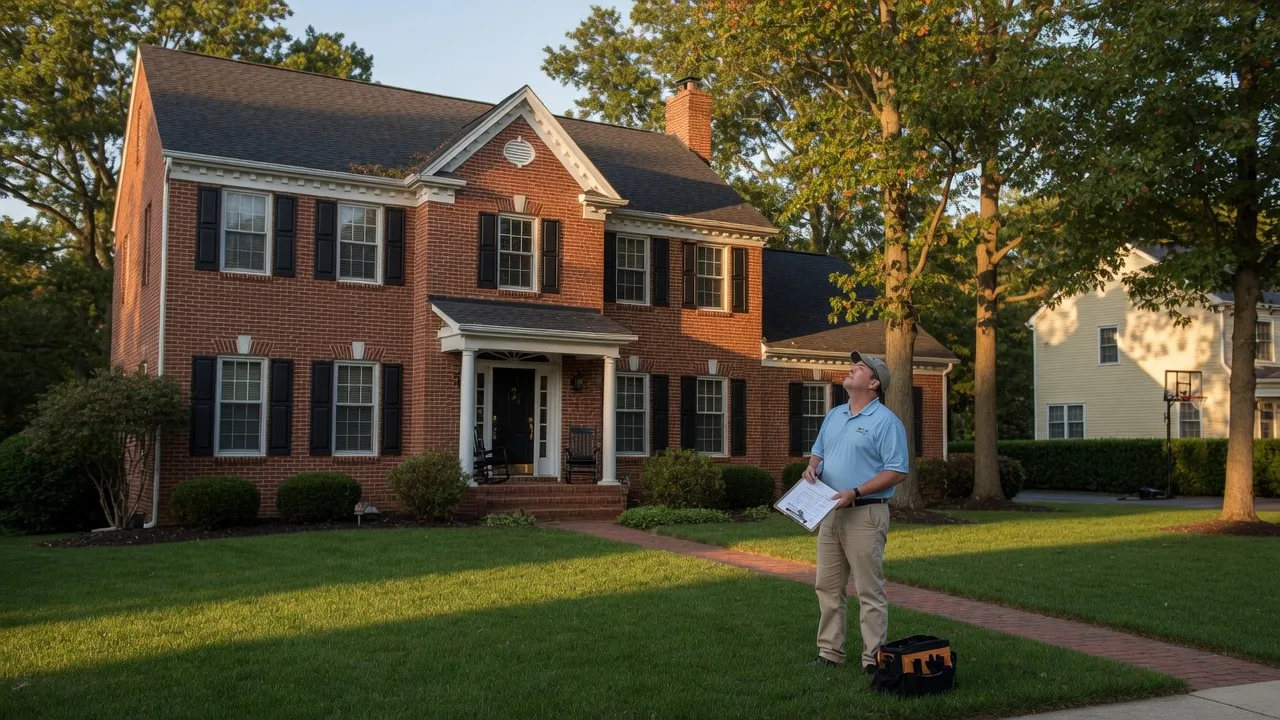
A home inspection is a visual evaluation of a property's condition. It is performed by a licensed home inspector who examines the accessible areas of the home. The inspector looks at the major systems and structural components and documents their condition in a written report.
Purpose. The inspection tells the buyer what they are purchasing. It identifies existing problems, potential concerns, and items that may need attention in the near future. It helps the buyer make an informed decision about whether to proceed with the purchase, renegotiate the terms, or walk away.
Scope. A standard home inspection covers the visible and accessible portions of: roof, attic, insulation, foundation, basement or crawl space, electrical system, plumbing system, heating and cooling systems, interior walls, ceilings, floors, windows and doors, and exterior siding and trim. The inspector also checks for visible signs of water intrusion, pest damage, and safety hazards.
Limitations. An inspection is not a warranty or a guarantee. It is a visual evaluation of the property at a single point in time. The inspector cannot see behind walls. They cannot predict future failures. They do not test for radon, mold, asbestos, lead paint, or other environmental hazards unless specifically requested. They do not evaluate the condition of items they cannot access, such as a roof covered in snow or a crawl space with inadequate clearance.
What Inspectors Do. They observe, document, and report. They test accessible outlets. They run the faucets. They check the age of the HVAC system. They look for cracks in the foundation. They note whether windows open and close properly. They report their findings in a written document with photographs and recommendations for further evaluation by specialists when appropriate.
What Inspectors Do Not Do. They do not pass or fail a home. They do not decide whether a house is worth the purchase price. They do not mandate repairs. They do not provide cost estimates for fixes (though some may offer rough ranges). They do not evaluate compliance with building codes unless specifically hired for that purpose.
Understanding the limitations of an inspection is especially important for Personal Representatives. The inspection report will include a long list of observations. Many of them will be minor. Some will reflect the normal wear and tear of an older home. The presence of a long list does not mean the home is in bad condition. It means the inspector did their job.
What Buyers Typically Inspect
Buyers in Maryland typically order a standard home inspection as part of their due diligence. Some also order specialized inspections depending on the property's age and condition. Here is what the standard inspection covers:
Roof. The inspector examines the roof covering (shingles, tile, metal, or other), flashings, gutters, downspouts, and visible signs of leakage. They report the approximate age of the roof and any visible damage, curling, or missing shingles.
Foundation. The inspector looks at the foundation walls, floor slabs, and basement or crawl space for cracks, settlement, moisture, and structural concerns. Minor hairline cracks are common in older homes and rarely indicate structural problems.
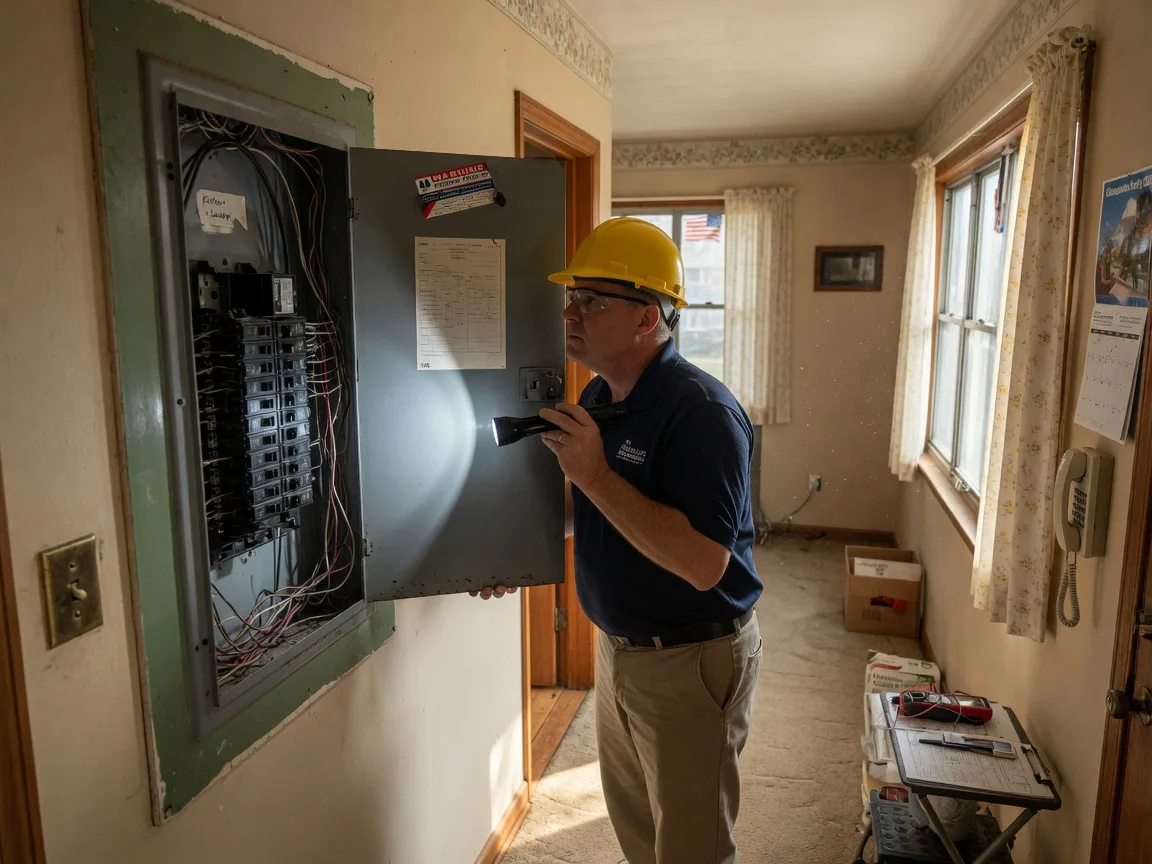
Electrical. The inspector checks the electrical panel, visible wiring, outlets, switches, and fixtures. They look for outdated wiring (such as knob-and-tube or aluminum), open splices, reverse polarity, and missing ground fault circuit interrupters (GFCIs) in kitchens and bathrooms.
Plumbing. The inspector runs water at all fixtures, checks for leaks, examines visible pipes for corrosion, tests water pressure, and evaluates the water heater (age, condition, temperature pressure relief valve).
HVAC. The heating and cooling systems are inspected for age, condition, and visible safety concerns. The inspector may operate the systems to confirm they function, but typically does not perform a full performance test. They report the approximate age and any visible defects.
Windows and Doors. The inspector checks for proper operation, broken seals (foggy windows), and visible damage. They note whether windows are original to the home or replacements.
Appliances. If the home is sold with appliances, the inspector tests them for basic functionality. They run the dishwasher, test the stove burners, and check that the refrigerator cools. They do not perform comprehensive diagnostic tests on appliances.
Attic and Insulation. The inspector examines the attic for signs of roof leaks, ventilation adequacy, insulation type and depth, and evidence of pests or rodents.
Basement and Crawl Space. The inspector looks for water intrusion, dampness, visible mold, structural condition, and ventilation. A musty smell in the basement is noted as an observation, not necessarily a defect requiring repair.
Water Intrusion. Signs of past or present water intrusion are noted. Stains on ceilings, walls, or basement floors are documented. The inspector cannot determine whether a stain is from an active leak or a past event that was repaired.
Exterior. The inspector examines siding, trim, paint condition, grading around the foundation, walkways, driveways, decks, porches, and steps. They look for rot, deterioration, and safety hazards such as loose railings.
Safety Concerns. Smoke detectors, carbon monoxide detectors, handrails, and stairway safety are noted. Missing or non-functional safety items are typically flagged as recommendations.
Common Issues Found in Probate Homes
Probate homes often present a specific pattern of inspection findings. Understanding these patterns helps Personal Representatives prepare for what the inspection is likely to reveal:
Deferred Maintenance. When a homeowner ages, routine maintenance often falls behind. Gutters may be clogged. Caulking around windows and doors may be dried and cracked. Filters may not have been changed regularly. These are small items, but they add up on an inspection report.
Older Systems. Probate homes frequently have HVAC systems, water heaters, and appliances that are 15 to 25 years old. Inspectors note the age of every system. Buyers see older systems and anticipate replacement costs. This does not require the estate to replace functioning systems, but it may affect negotiations.
Long-Term Ownership. Homes owned by the same person for 30 or 40 years may have deferred maintenance that reflects the owner's age and physical limitations. Plumbing fixtures that drip, windows that stick, and outlets that no longer hold plugs securely are common. These are typically minor but appear on every inspection report.
Outdated Components. Electrical panels that lack GFCIs, plumbing that uses galvanized pipes, and windows that are single-pane or original to the home are common in older probate properties. These are not defects in the traditional sense. They reflect the age of the home and the era in which it was built.
Vacancy Issues. Homes that have been vacant for months may develop new problems. Pipes can freeze if heat was turned off. Pests may have moved in. Odors from lack of ventilation can accumulate. Moisture issues that were managed by daily living (showers, cooking, breathing) may become visible once the home is empty.
Cosmetic Wear. Worn carpet, faded paint, outdated wallpaper, and scuffed floors are common and expected. These are cosmetic issues that affect buyer perception but do not affect the home's structural integrity or safety.
The most important takeaway is this: these findings are common and expected. They do not automatically make the property unsellable. They do not mean the estate must spend thousands of dollars on repairs. They simply reflect the reality of selling a home that was owned and lived in for many years. Every experienced probate real estate agent has seen these issues hundreds of times and knows how to address them in the context of a probate sale.
Should You Get a Pre-Listing Inspection?
A pre-listing inspection is a home inspection ordered by the seller before the property is listed. The Personal Representative pays for the inspection and receives the report upfront. This is a strategic decision that should be evaluated for each property.
Pros of a Pre-Listing Inspection.
Know what buyers will likely find. A pre-listing inspection eliminates surprises. You will know the condition of the home before any offers are made. That knowledge allows you to plan your response before a buyer's inspection creates pressure and a deadline.
Plan repairs strategically. If the inspection reveals issues that you decide to address, you can complete the repairs on your timeline, using contractors you choose, at prices you negotiate. You are not racing against a buyer's inspection contingency deadline.
Price accurately. Knowing the exact condition of the home allows you to price it correctly from the start. An informed price attracts serious buyers and reduces the likelihood of surprises during the inspection period.
Reduce surprises. There is nothing worse than accepting an offer, celebrating with the beneficiaries, and then receiving an inspection report that reveals unexpected problems. A pre-listing inspection reduces the risk of a deal falling apart after an offer is accepted.
Cons of a Pre-Listing Inspection.
Additional cost. A standard home inspection typically costs $400 to $700. When the estate is already paying for the probate process, another expense may feel burdensome. However, compared to the cost of a failed transaction or an emergency price reduction, the inspection fee is modest.
Potential for further evaluations. The pre-listing inspection may reveal issues that require specialized evaluations (roof, HVAC, structural, or pest inspections). These add additional cost. However, these issues would likely be discovered during the buyer's inspection anyway, and having them identified early allows you to address them proactively.
Disclosure obligations. Once you have the pre-listing inspection report, you cannot claim ignorance of the issues it reveals. Maryland law requires sellers to disclose known material defects. A pre-listing inspection ensures you know exactly what to disclose, which protects you from future legal claims but also means you cannot later say "we did not know."
Recommendation. In most cases, I recommend a pre-listing inspection for probate homes, especially those that have been owned for many years or that show signs of deferred maintenance. The modest upfront cost is almost always worth the peace of mind and strategic advantage it provides. The decision ultimately depends on the property's condition and the estate's selling strategy.
How Inspection Results Affect Negotiations
Once the buyer's inspection is complete, the negotiation phase begins. The buyer's agent typically sends the inspection report along with a formal repair request. How the estate responds depends on several factors:
Repair Requests. The buyer asks the estate to fix specific items identified in the inspection. The request may be limited to safety issues, or it may include cosmetic items and normal wear and tear. Each request should be evaluated individually.
Credits. Instead of making repairs, the estate can offer the buyer a credit at closing. The credit reduces the buyer's closing costs. This is often the simplest solution because it avoids the need to hire contractors, schedule work, and manage the repair process from a distance. The buyer handles the repair after closing, and the estate is not responsible for the quality of the work.
Price Reductions. The buyer may ask for a reduction in the purchase price instead of repairs. This is similar to a credit but reduces the sale price directly, which may affect commissions and the buyer's loan amount.
As-Is Provisions. Some purchase contracts include an as-is clause stating that the buyer accepts the property in its current condition. Even with an as-is clause, the buyer typically maintains the right to conduct an inspection and may attempt to negotiate based on safety or structural issues.
Negotiation Strategies. Every request should be evaluated based on its impact on net proceeds, not emotion. Ask: will fixing this item increase the estate's net proceeds, or would a credit or price reduction accomplish the same goal more efficiently? Some repairs are best made by the estate (especially if contractors can do the work quickly and cost-effectively). Other repairs are better handled as credits because the cost of coordinating the work exceeds the value it adds.
Remember: you are not required to say yes to every repair request. You are required to act reasonably and in the estate's best interests. A reasonable response evaluates each item, obtains estimates when appropriate, and negotiates in good faith to reach an agreement that works for both parties.
Important
A credit at closing is often the simplest solution for probate repairs. It avoids the need for the Personal Representative to hire contractors, manage the work, or worry about the quality of repairs from a distance. The buyer handles everything after closing, and the estate's only cost is a line item on the settlement statement.
Which Repairs Usually Make Sense
When the estate does decide to make repairs, certain types of repairs are almost always worth addressing. These are the items that affect safety, habitability, or the buyer's ability to obtain financing.
Safety Hazards. Exposed wiring, missing handrails, broken stairs, and carbon monoxide detector deficiencies should always be addressed. These items affect the safety of anyone entering the home and are often flagged by appraisers and lenders as well as inspectors.
Active Leaks. A roof that is actively leaking, a plumbing fixture that is dripping into a cabinet, or a water heater that is leaking should be repaired. Active leaks cause ongoing damage and can worsen quickly. The cost of repair is almost always justified by the damage it prevents.
Electrical Issues That Pose a Fire Risk. Exposed splices, overloaded panels, and malfunctioning breakers should be addressed. These are safety issues that can affect the closing if flagged by the buyer's lender or insurance company.
Structural Concerns. Significant foundation cracks, sagging floor joists, or rotted structural supports should be evaluated by a structural engineer and repaired if necessary. These issues can affect the home's value and the buyer's ability to obtain financing.
HVAC Systems That Do Not Function. If the heating or cooling system does not operate, it should be repaired or replaced. A home without functioning heat in the winter or air conditioning in the summer may not qualify for financing, and buyers will expect the system to be operational.
Plumbing Issues That Affect Use. A toilet that does not flush, a sink that does not drain, or a water heater that does not produce hot water should be repaired. These are basic habitability issues that affect the buyer's ability to use the home.
For a more detailed discussion of which repairs deliver the best return, read our guide on What Repairs Give the Best ROI Before Selling a Probate House in Maryland?
Which Repairs Usually Don't Make Sense
Just as important as knowing what to fix is knowing what to leave alone. These types of requests should be carefully evaluated before spending estate funds:
Cosmetic Issues. Outdated paint colors, worn but functional carpet, and cosmetic cracks in walls or ceilings are part of owning an older home. These do not affect the home's value or safety and should typically not be addressed unless doing so would clearly increase the estate's net proceeds.
Minor Wear and Tear. Scuffed baseboards, nail pops, and small holes from picture hanging are normal wear. Most buyers expect to do some painting and minor touch-up after purchasing a home. These items should not require a repair response from the estate.
Outdated Decor. Avocado-green bathroom fixtures from the 1970s, floral wallpaper in the kitchen, and harvest gold appliances are cosmetic. They may affect buyer perception, but replacing them to satisfy a specific buyer's taste is rarely a good use of estate funds. Price the home accordingly and let the buyer decide.
Items at the End of Their Useful Life But Still Functioning. A 22-year-old water heater that still produces hot water does not need replacement. An HVAC system that is 18 years old and still heats and cools does not need replacement. The inspector will note the age of these systems, and the buyer may request replacement. The estate's response should be based on whether the system is functioning, not whether it is old.
Minor Cracks in Driveways, Walkways, or Garage Floors. Concrete cracks. It is normal. Small cracks that do not affect structural integrity or create a tripping hazard are not defects that require repair.
Every property is different. The estate's response should be tailored to the specific home, the buyer's request, and the financial impact on the estate. A blanket policy of refusing all requests is as wrong as a blanket policy of accepting all requests. Each item should be evaluated on its own merits.
Maryland Case Study: How One Family Navigated a Challenging Inspection
A Personal Representative contacted me about a probate home in Montgomery County. The home had been owned by the same family for 45 years. The adult children remembered growing up there. Now they were responsible for selling it.
The buyer's inspection found multiple issues: an HVAC system that was 23 years old and not cooling effectively, a water heater showing signs of corrosion, several windows that were painted shut, a few missing roof shingles, and signs of past water staining in the basement (the seller's disclosure had already noted a repaired leak from a decade earlier). The total repair request, if addressed in a traditional home sale, would have cost an estimated $12,000 to $18,000.
The family feared the deal would collapse. They had already accepted a strong offer at $575,000, and the buyer was a well-qualified family with conventional financing. They did not want to lose the deal.
We reviewed every item in the inspection report. We separated the items that affected safety or habitability from those that reflected normal wear and tear. We obtained contractor estimates for the specific items we considered addressing. Then we made a strategic decision:
We agreed to replace the HVAC system because it was not functioning effectively and would be required for the buyer's financing. We offered a $1,500 credit for the water heater rather than replacing it, since the existing unit was still functioning. We repaired the missing roof shingles ($450). We offered a $750 credit for the windows that were painted shut, allowing the buyer to address them after closing.
The total cost to the estate was approximately $8,700 (HVAC replacement plus the credits). The buyer accepted the proposal. The transaction closed on time. The estate netted more than $40,000 above the next best offer.
The key was not simply agreeing to every request or rejecting every request. It was evaluating each item based on whether fixing it would protect the estate's value, then negotiating from that position.
Common Mistakes Personal Representatives Make With Inspections
Mistake #1: Panic After Reading the Inspection Report. The inspection report is long. It contains photographs, technical terms, and a lot of information. Many Personal Representatives read it and assume the home is in terrible condition. In reality, almost every inspection report looks alarming to someone who has never seen one. Do not panic. Read the report calmly, or better yet, have your real estate agent review it with you and explain which items are significant and which are routine.
Mistake #2: Agreeing to Every Repair Request. Some Personal Representatives are so afraid of losing the buyer that they say yes to everything. This is a mistake. Every repair you agree to reduces the estate's net proceeds. Not every request is reasonable. Evaluate each item based on its merits and the financial impact on the estate.
Mistake #3: Ignoring Serious Safety Concerns. At the other extreme, some Personal Representatives refuse to address anything. This is also a mistake. Legitimate safety issues, active leaks, and non-functioning systems affect the home's value, the buyer's ability to obtain financing, and the estate's liability. Serious issues should be addressed.
Mistake #4: Not Obtaining Contractor Estimates. Before agreeing to a repair, know what it will cost. A buyer may estimate $5,000 to fix a roof issue when the actual cost is $1,200. Obtain estimates from your own contractors so you can negotiate from an informed position.
Mistake #5: Failing to Evaluate Net Proceeds. Every repair decision should be evaluated through the lens of net proceeds. Will making this repair increase the sale price by more than the cost of the repair? If the answer is no, a credit or price reduction may be a better option.
Mistake #6: Poor Communication With the Buyer. Ignoring the inspection report or failing to respond within the contract timeline can cause the deal to fall apart. Communicate clearly and promptly. If you need more time to obtain estimates, ask for it. Silence is the worst response.
Questions Every Personal Representative Should Ask
Before responding to any inspection request, ask yourself these questions:
- Is this a safety issue? If the item affects the safety of the occupants, it should be treated seriously. Exposed wiring, missing handrails, and non-functional smoke detectors fall into this category.
- Will fixing it increase the estate's net proceeds? This is the central question. Some repairs will increase the sale price or ensure the transaction closes. Others will cost more than they add in value.
- Could a credit accomplish the same goal? A credit at closing is often simpler and less risky than coordinating repairs. The buyer handles the work, and the estate avoids the hassle of contractor scheduling and quality control.
- Would another buyer likely request the same repair? If the answer is yes, addressing the issue now may make sense. If the answer is no, the request may reflect this buyer's particular preferences rather than a market expectation.
- Should we obtain a contractor estimate? If the repair cost is significant, obtain at least one estimate before agreeing to anything. A buyer's estimate may be inflated. Your own estimate gives you negotiating leverage.
- Does the buyer have financing contingencies? Some repairs are required by the buyer's lender. If the lender requires the repair, you may need to address it or risk losing the buyer. FHA and VA loans often have specific property condition requirements.
- Is the home being sold as-is? An as-is sale does not mean the buyer cannot request repairs. It means the buyer cannot request repairs for items that were disclosed or visible before the offer. The inspection may still be used to negotiate, but the estate has stronger ground to decline requests.
For a broader view of probate pitfalls, read our guide on common mistakes in probate real estate.
Marc's Advice
One inspection report should never dictate your decisions. Almost every home has imperfections. That is not a reflection of poor maintenance. It is a reflection of the simple fact that homes are lived in, and lived-in homes have wear and tear.
The key is understanding which issues truly matter to buyers, which affect financing or safety, and which are simply part of owning an older home. Your job is not to create a perfect house. It is to make informed decisions that protect the estate while maximizing its value.
I have seen inspection reports that were 40 pages long result in nothing more than a $500 credit. I have seen three-page reports lead to complicated negotiations. The length of the report does not predict the outcome. The estate's response does.
Stay calm. Get estimates. Evaluate net proceeds. Negotiate from a position of knowledge, not fear.
Marc Cormier, Realtor & Probate Specialist
If This Were My Family...
If this were my family, I would want to know what the inspection would find before we ever listed the property. A pre-listing inspection would help us price accurately, plan repairs, and avoid surprises. If we received a long inspection report after an offer, I would evaluate every item based on whether fixing it would increase the estate's net proceeds. I would never agree to a repair just to keep a buyer happy without understanding the financial impact. I would obtain contractor estimates for the significant items. I would consider offering credits instead of repairs when that made financial sense. And I would document every decision and its rationale so that if any beneficiary ever questioned what we did, we would have the record to show we acted prudently. That is not just good real estate practice. That is how you protect the estate and fulfill your fiduciary duty.
Frequently Asked Questions
Do I have to make repairs after a home inspection?
No. The inspection report does not require the estate to make any repairs. However, the buyer may request repairs as part of the negotiation. Whether you agree to repairs, offer credits, or stand firm depends on the specific items, the contract terms, and what is in the estate's best interest.
Can I sell a probate home as-is?
Yes, you can sell a probate home as-is in Maryland. Selling as-is means the buyer accepts the property in its current condition. However, even in an as-is sale, the buyer typically retains the right to conduct an inspection and may attempt to negotiate based on the findings. For more, read our guide on selling a probate house that needs repairs.
Should I attend the home inspection?
It is not required, and many real estate agents advise against it. The buyer's inspection is their opportunity to evaluate the property. Your presence may make the buyer or inspector uncomfortable. However, if the home is vacant, it can be helpful to have someone present to let the inspector in and answer basic questions about the property. Discuss this with your real estate agent.
Can buyers cancel after a home inspection?
In most cases, yes. Purchase contracts typically include an inspection contingency that allows the buyer to cancel within a specified period if they are not satisfied with the inspection results. The buyer may also cancel if the estate refuses to address items the buyer considers material. The specific terms depend on the contract.
What if the inspection finds mold?
Mold findings should be evaluated by a mold remediation specialist. Small areas of mold may be addressed with basic cleaning. Larger areas may require professional remediation. The estate should obtain a mold inspection quote and determine whether remediation is necessary to close the transaction. Active moisture sources should be addressed regardless.
What if the roof is old?
An old roof that is not actively leaking does not require replacement. The inspector will note the age and condition, and the buyer may request a credit. The estate can offer a reasonable credit based on the remaining useful life of the roof. If the roof is actively leaking, repair or replacement should be considered.
What if the HVAC is working but old?
A functioning HVAC system does not need replacement regardless of age. The buyer may request a home warranty or a credit for future replacement. The estate can consider a modest credit if it helps close the deal, but replacement of a working system is not required.
Who pays for inspections?
The buyer pays for their own home inspection. If the estate decides to order a pre-listing inspection, the estate pays for it. Specialized inspections (mold, radon, pest, structural) are typically paid by whoever orders them, though this can be negotiated as part of the transaction.
What is a home warranty?
A home warranty is a service contract that covers the repair or replacement of major home systems and appliances for a specified period, typically one year. Some Personal Representatives offer a home warranty as a way to address buyer concerns about older systems without making actual repairs. The cost of a home warranty is typically $400 to $700.
Should I get a pre-listing inspection?
In most cases, yes. A pre-listing inspection helps the estate understand the property's condition before listing. It reduces surprises, allows strategic planning, and helps with accurate pricing. The cost is typically $400 to $700, which is modest compared to the risk of a failed transaction.
What if the buyer asks for too much?
The estate is not required to accept unreasonable repair requests. If the buyer's requests exceed what is reasonable given the home's age, condition, and price, the estate can counter with a more limited offer or stand firm. If the buyer walks away, the home can be relisted. A reasonable buyer will negotiate in good faith.
Can I negotiate repair requests?
Yes. The inspection contingency period is a negotiation. The buyer sends a request. The estate can accept, reject, or counter. Most transactions result in a negotiated agreement somewhere between what the buyer requested and what the estate initially offered. Negotiation is expected and normal.
What if I disagree with the inspection findings?
You can request a second opinion or a specialized evaluation. If the inspector flagged a roof issue, have a roofer evaluate it. If the inspector flagged a structural concern, have a structural engineer evaluate it. Professional opinions can differ, and having your own expert's assessment strengthens your negotiating position.
What if the inspection reveals structural issues?
Structural issues should be evaluated by a structural engineer. The engineer's report will provide a professional assessment of the severity and recommended repairs. Significant structural issues may require the estate to either repair them, offer a substantial credit, or relist the property with full disclosure of the issue.
How long does a home inspection take?
A standard home inspection for a typical single-family home takes two to four hours. Larger homes or homes with significant accessibility challenges may take longer. Specialized inspections (radon, mold, pest) are typically conducted separately and may take an additional one to two hours each.
What if the property has asbestos?
Asbestos was commonly used in building materials before the 1980s. If the inspection identifies materials that may contain asbestos, an asbestos inspection should be ordered. Asbestos that is intact and undisturbed typically does not require removal. However, buyers may request testing or abatement. The estate's response should be based on the extent of the material and local regulations.
What if there's lead paint?
Lead paint is common in homes built before 1978. Maryland law requires disclosure of known lead paint hazards. The buyer will typically sign a lead paint disclosure and may request testing. Intact lead paint is generally not a hazard. Peeling or deteriorated lead paint should be addressed. The estate should follow Maryland's lead paint disclosure requirements.
What if the well or septic fails the inspection?
Well and septic inspections are separate from standard home inspections. If the well or septic fails, the estate may need to repair or replace the system. Well and septic issues can be expensive, but they must be addressed for the home to be sold to a buyer who will occupy it. Some contracts include specific contingencies for well and septic.
Should I fix everything before listing?
No. Fixing everything before listing is rarely the right strategy for a probate sale. Focus on items that affect safety, financing, or buyer perception. Minor cosmetic issues and normal wear and tear should be priced into the property rather than repaired. The return on investment for proactive repairs varies; read our guide on what repairs give the best ROI for more details.
What if I cannot afford repairs?
If the estate lacks liquid funds for repairs, consider offering credits at closing instead. Credits do not require upfront cash; they are subtracted from the sale proceeds at settlement. If the estate truly cannot afford even credits, discuss the situation with the buyer. Some buyers will accept the property as-is rather than lose the transaction altogether.
Downloadable Inspection Preparation Checklist
Preparing the home for the buyer's inspection helps the process go smoothly. Here is a printable checklist that Personal Representatives can use before the inspector arrives:
Inspection Preparation Checklist
- Replace burned-out light bulbs throughout the home
- Change the HVAC air filter (install a new, clean filter)
- Unlock all utility rooms, closets, and access panels
- Ensure all utilities are turned on (electric, gas, water)
- Light the pilot lights if applicable (water heater, furnace)
- Secure pets in a safe location away from the inspector
- Provide appliance manuals and maintenance records if available
- Make attic and crawl space access points clear and reachable
- Test smoke detectors and carbon monoxide detectors
- Clear debris from gutters and downspouts
- Remove stored items from around the water heater and furnace
- Ensure all windows and doors are accessible and operable
- Provide clear access to the electrical panel
Key Takeaways
- A home inspection is a visual evaluation, not a pass/fail test. Every home has issues.
- The estate is not required to make every repair the buyer requests. Evaluate each item based on net proceeds.
- Safety hazards, active leaks, and non-functioning systems should typically be addressed.
- Cosmetic issues, normal wear and tear, and aged but functioning systems typically should not be replaced.
- A pre-listing inspection helps the estate plan strategically and avoid surprises.
- Credits at closing are often a better solution than repairs for probate estates.
- Obtain contractor estimates before agreeing to significant repairs.
- Stay calm. Negotiate from a position of knowledge, not fear.
Ready to Get an Instant Offer on Your Maryland Probate Property?
One of the advantages of working with an experienced probate Realtor is having guidance before the inspection ever occurs. Our team helps Personal Representatives evaluate inspection findings, compare repair options, coordinate trusted contractors, estimate repair costs, negotiate strategically, and protect the estate's net proceeds.
If you are a Personal Representative navigating a probate sale in Maryland, you do not have to do this alone. We provide clear, data-driven guidance every step of the way, from pre-listing inspections to final negotiations.
Get an Instant Offer on Your Maryland Probate Property
Compare as-is cash offers against the open market potential. See what your property is worth today, with no obligation. That single step protects you more than anything else you can do in this process.
Get Instant OfferSchedule a Consultation
Our team helps Personal Representatives: evaluate inspection findings, compare repair options, coordinate trusted contractors, estimate repair costs, negotiate strategically, and protect the estate's net proceeds. Let us put our experience to work for you.
What Happens Next?
Now that you understand how home inspections work in probate sales, here are the next steps:
Legal Note
For legal questions about your responsibilities as a Personal Representative, consult a competent Maryland probate attorney.