Ultimate Guide
August 2, 2026 · Marc Cormier
Selling Land During Probate in Maryland: The Complete Guide for Personal Representatives
Quick Answer
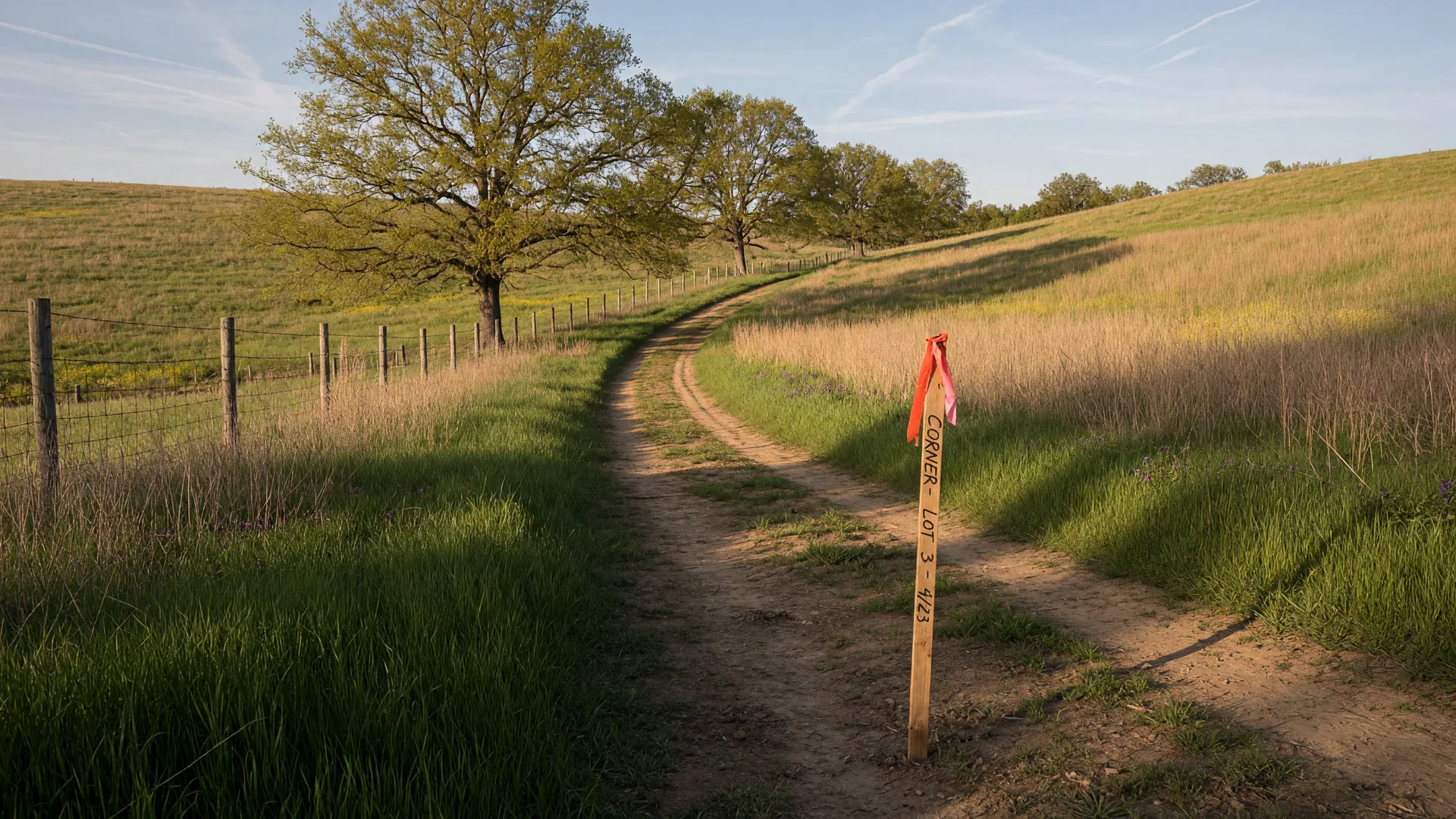
Selling vacant land during probate is very different from selling a house. Land value depends on its future potential, not just its current use. Factors like zoning, road frontage, utilities, topography, and subdivision potential all affect what a buyer will pay. Understanding these factors helps the Personal Representative make informed decisions and maximize the estate's return.
Table of Contents
- Why Land Is Different
- How Land Is Valued
- Highest and Best Use
- Zoning and Permits
- Utilities and Access
- Subdivision Potential
- Environmental Considerations
- Timber and Agricultural Value
- Builder and Developer Buyers
- Cash Buyers for Land
- Marketing Vacant Land
- Pricing Land
- Maryland Case Study
- Common Mistakes
- Questions to Ask
- Marc's Advice
- If This Were My Family
- Frequently Asked Questions
- Land Valuation Checklist
- Key Takeaways
- Next Steps
Introduction
Many Personal Representatives inherit vacant land and don't know what to do with it. Land can be one of the most valuable assets in an estate, but it requires a completely different approach than selling a house. The value of land is determined by what it can become, not just what it is today.
A five-acre parcel in Frederick County might look like nothing more than a wooded lot to one person, but to a builder or developer, it could represent eight new home sites. A farm in Carroll County might hold significant timber value or development rights that a conservation buyer would pay a premium for. An infill lot in Montgomery County could be the perfect site for a townhouse project.
This guide covers everything a Maryland Personal Representative needs to know about selling vacant land during probate: how land is valued, what factors drive price, who buys land, how to market it, and how to avoid the common mistakes that cost estates thousands of dollars.
Why Land Is Different
Selling vacant land is fundamentally different from selling a house. Every aspect of the transaction, from valuation to marketing to the buyer pool, operates on its own terms. Understanding these differences is the first step toward making good decisions for the estate.
No structure means no interior to show. Unlike a house, there are no kitchens, bathrooms, bedrooms, or finished square footage to highlight. Buyers are buying dirt, trees, and location. They are buying potential. The marketing must focus on what the land can become, not what it currently is.
Value depends on location, zoning, access, utilities, and development potential. The same five-acre parcel could be worth $50,000 in one zoning district and $500,000 in another. The presence of public water and sewer can multiply land value. Road frontage, topography, and environmental conditions all play a role.
Different buyer pool. Most home buyers are looking for a place to live. Land buyers include builders, developers, investors, farmers, conservation organizations, and speculators. Each buyer type evaluates the property differently and offers different prices.
Different marketing approach. Vacant land requires specialized marketing. Land-specific websites, direct outreach to builders, drone photography, survey maps, and zoning analyses are all part of an effective land marketing strategy.
Different valuation methods. Land appraisers use comparable sales, but land comparables are harder to find than house comparables. Two seemingly identical lots can have very different values based on factors that are not obvious to the untrained eye.
How Land Is Valued
Land valuation is more nuanced than house valuation. Appraisers and experienced land agents use three primary approaches to determine the market value of vacant land.
Comparable Sales Approach. The most common method. The appraiser identifies recently sold parcels with similar characteristics: size, zoning, location, access, utilities, and topography. Adjustments are made for differences between the comparable sales and the subject property. The challenge is finding truly comparable sales, because no two parcels of land are exactly alike. Location, road frontage, and utility availability can create significant value differences between parcels that appear similar on paper.
Income Approach. Used primarily for income-producing land such as agricultural land, timberland, or land with mineral rights. The appraiser estimates the income the land can generate and applies a capitalization rate to determine value. For inherited farmland or timberland in Maryland, this approach is often the most relevant.
Development Approach. Used for land with subdivision potential. The appraiser estimates the value of the land after it is subdivided into individual lots, then subtracts the cost of subdivision (engineering, permitting, road construction, utility installation) to arrive at the current value. This approach is most relevant for land near growing Maryland communities where development pressure is high.
A professional land appraiser can provide a defensible valuation that holds up in probate court. For estates where land is a significant asset, investing in a land appraisal is money well spent.
Highest and Best Use
"Highest and best use" is a real estate appraisal concept that describes the most profitable legal use of a parcel of land. It is the use that generates the highest value, given what is physically possible, legally permissible, and financially feasible for the property.
A parcel's highest and best use may not be what the deceased owner was doing with it. An inherited farm that has been used for hay production for decades might have a highest and best use as a residential subdivision if it sits at the edge of a growing Maryland town. A wooded lot in a rural area might have a highest and best use as a single homesite or as a conservation buffer for a neighboring park.
Determining highest and best use requires understanding the zoning, the market demand, the physical characteristics of the land, and the cost of development. When a Personal Representative knows the highest and best use of inherited land, they can make informed decisions about how to market it and what price to expect.
In Maryland, zoning ordinances, comprehensive plans, and land use regulations all influence what uses are permissible. The county planning department can provide information about the current zoning and the types of uses that are allowed. For complex properties, a land use attorney can provide guidance on what is possible and what approvals would be required.
Zoning and Permits
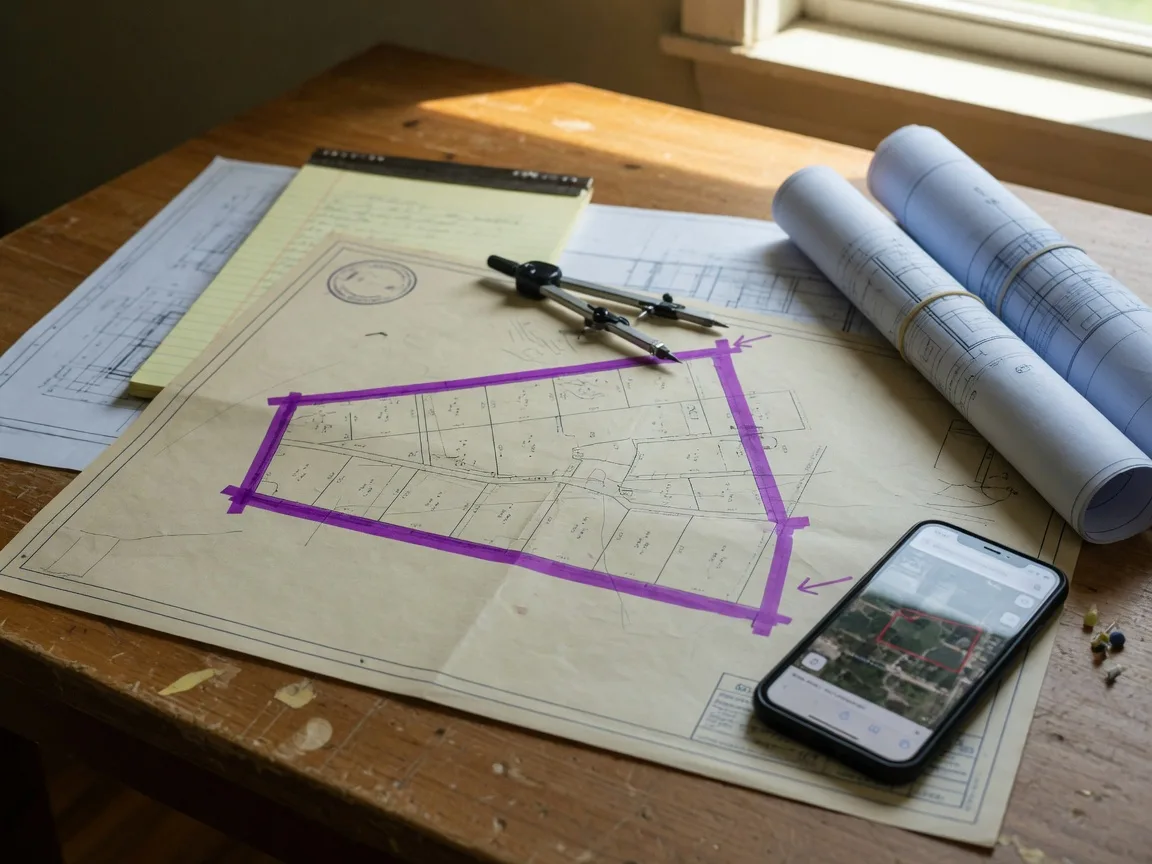
Zoning is the single most important factor affecting land value. It determines what can be built, how densely it can be built, and what uses are permitted. Two identical parcels in the same location can have vastly different values if they are zoned differently.
Residential Zoning. The most common zoning for land near Maryland communities. Residential zoning allows for single-family homes, townhouses, or multi-family development depending on the specific zoning classification. Density is expressed in units per acre or minimum lot size. A parcel zoned for one home per acre is worth very different money than a parcel zoned for four homes per acre.
Commercial Zoning. Allows for retail, office, or mixed-use development. Commercially zoned land is typically more valuable than residential land because the potential income from commercial development is higher. The highest value is usually at major intersections, near highway interchanges, or in designated growth areas.
Agricultural Zoning. Maryland's agricultural zones (typically designated as Agricultural-Residential or Rural Conservation) allow farming, forestry, and very limited residential development. Agricultural land is generally less valuable than land zoned for development, but it may have other value drivers such as timber, agricultural income, or conservation potential.
Conservation Zoning. Some Maryland counties have conservation or resource protection zones that limit development to protect environmentally sensitive areas, watersheds, or agricultural resources. Land in these zones has limited development potential and correspondingly lower value.
Subdivision Requirements. Even when zoning allows subdivision, the county may impose requirements for road frontage, minimum lot size, stormwater management, and other infrastructure. These requirements affect the cost of subdivision and therefore the net value of the land.
Setback Requirements. Zoning ordinances specify how far buildings must be set back from property lines, roads, and waterways. Steep slopes, wetlands, and floodplains may have additional restrictions. These setbacks can reduce the buildable area of a parcel and affect its value.
To research zoning for inherited land, start with the county planning and zoning department. Most Maryland counties have online GIS mapping systems that show zoning designations, flood zones, and other land use information. For complex questions, a land use attorney or land planner can provide professional guidance.
Utilities and Access
The availability of utilities and legal access dramatically affects land value. A parcel with public water and sewer, electric service, and paved road frontage is worth significantly more than a landlocked parcel with no utilities.
Water and Sewer. Public water and sewer are the most valuable utilities for development. Parcels with public water and sewer can be developed at higher densities and with lower upfront costs than parcels that require wells and septic systems. In Maryland, the availability of public water and sewer is determined by the local utility authority or the county department of public works.
Electric, Gas, and Internet. Electric service is available to most Maryland parcels, but the cost of extending service to a remote parcel can be significant. Natural gas and high-speed internet are less universally available, and their absence can reduce the property's appeal to certain buyers. For residential development, the availability of broadband internet is increasingly important.
Road Frontage. Paved road frontage provides legal and practical access to the property. The amount of road frontage affects the number of lots that can be created through subdivision. In Maryland, subdivision regulations typically require a minimum amount of road frontage per lot. Parcels with limited road frontage may need to create a shared driveway or private road, which reduces developable area and increases costs.
Deeded Access. A parcel must have legal access to a public road. If the only access is across another owner's property, there must be a recorded easement or right-of-way. Landlocked parcels with no legal access have very limited value. In some cases, the estate can negotiate an easement with the adjoining landowner, but this can be a complex and time-consuming process.
Easements. Existing easements on the property can affect its value. Utility easements, drainage easements, and conservation easements all restrict how the land can be used. A conservation easement, for example, may permanently limit development, which reduces the property's value to some buyers but may increase its value to conservation buyers.
Subdivision Potential
Subdivision potential is one of the most powerful value drivers for vacant land. The ability to divide a large parcel into smaller lots for individual sale creates significant value, often far exceeding the value of the land as a single parcel.
Whether a parcel can be subdivided depends on zoning, lot size requirements, road frontage, utility availability, and environmental conditions. Each Maryland county has its own subdivision regulations that specify the minimum lot size, road frontage requirements, and approval process. For example, a 10-acre parcel in a zone requiring 2-acre minimum lot sizes could potentially be subdivided into five lots, while the same parcel in a zone requiring 5-acre minimums could yield only two lots.
The subdivision process in Maryland typically involves several steps: a preliminary subdivision plan submitted to the county planning department, engineering and design work, stormwater management planning, road and utility design, and final plat approval. The process can take 6 to 18 months depending on the complexity of the project and the county's review timeline.
For the Personal Representative, subdivision is not usually something the estate pursues directly, because the probate process is designed to be completed in a shorter timeframe. Instead, the subdivision potential is a factor that a builder or developer buyer will evaluate when making an offer. The estate benefits from that potential value without having to go through the subdivision process itself.
Understanding the subdivision potential of inherited land allows the Personal Representative to market the property to the right buyers and negotiate from a position of knowledge, not guesswork.
Environmental Considerations
Environmental issues can affect the value and marketability of vacant land. Some environmental factors are obvious; others require professional assessment to identify.
Wetlands. Wetlands are protected under federal and state law. Building on or filling wetlands requires permits from the U.S. Army Corps of Engineers and the Maryland Department of the Environment. Wetlands can significantly reduce the buildable area of a parcel. A wetland delineation by a qualified professional is often necessary to determine the extent of wetlands on the property.
Flood Zones. Parcels in designated flood zones have restrictions on development and may require flood insurance. The Federal Emergency Management Agency (FEMA) maps flood zones through its Flood Insurance Rate Maps (FIRMs). Building in a flood zone may require elevating structures, which adds cost and may reduce the number of developable lots.
Environmental Assessments. If the property was previously used for commercial or industrial purposes, a Phase I Environmental Site Assessment may be needed to identify potential contamination. For agricultural land, the presence of pesticide or herbicide residues is generally not a concern, but underground storage tanks, dumping sites, or other contamination sources can create liability for the estate.
Conservation Easements. Some Maryland properties have conservation easements that permanently restrict development. These easements may be held by a land trust, a government agency, or a conservation organization. Conservation easements can significantly reduce land value to conventional buyers but may increase value to conservation buyers or the holder of the easement.
Environmental issues do not necessarily mean the land cannot be sold. They do mean that the buyer pool is narrower and the price may be lower. Full disclosure of known environmental issues is required by Maryland law in real estate transactions.
Timber and Agricultural Value
For rural land in Maryland, timber and agricultural potential can be significant value drivers. These are often overlooked by Personal Representatives who are not familiar with rural land markets.
Timber Harvesting. Mature timber on inherited land can have substantial value. The species, size, quality, and accessibility of the trees all affect the value of the timber. In Maryland, common commercial species include oak, poplar, maple, pine, and cherry. A professional forester can provide a timber cruise that estimates the volume and value of the standing timber. Depending on the market, timber can add tens of thousands of dollars to the value of a wooded parcel.
Agricultural Use. Land that is currently being farmed or that has agricultural potential may be valuable to farmers, either for the farming operation itself or as an investment. Agricultural land in Maryland is valued based on its soil quality, drainage, and productivity. The Maryland Department of Agriculture and the local soil conservation district can provide information about soil types and agricultural capability.
Farm Exemptions. In Maryland, agricultural land may qualify for property tax assessment based on its agricultural use rather than its development value. This "agricultural use valuation" can significantly reduce property taxes. The Personal Representative should check with the county tax assessor to see if the inherited land qualifies for agricultural assessment.
When timber or agricultural value is present, the estate can realize that value through a timber sale or agricultural lease before selling the land, or by marketing the land to buyers who recognize and will pay for those attributes.
Builder and Developer Buyers
Builders and developers are the primary buyers for land with development potential. They evaluate land differently than individual home buyers and use different metrics to determine what they are willing to pay.
Builders evaluate land based on the number of lots or units that can be developed, the projected sale price of the finished homes or units, and the total cost of development. They subtract their profit margin and risk premium from the projected revenue to arrive at the maximum price they can pay for the raw land. This is called the "residual land value" method, and it is the standard approach that professional builders use.
What builders look for: zoning that allows the density they need, available utilities or a clear path to getting them, suitable topography that does not require excessive grading, good road access, and a location where finished homes will sell at prices that support the development costs. Builders also consider the timeline for approvals, the risk of delays, and the competition from other developments in the area.
Marketing land to builders requires providing the information they need to make an offer: zoning designation, parcel size, utility availability, road frontage, subdivision potential, and any known environmental issues. The more information you provide, the more confident a builder can be in making an offer, and the higher the offer is likely to be.
Cash Buyers for Land
Cash buyers are common in the land market. They include investors, speculators, and land acquisition companies that buy land in any condition, often as-is, with cash at closing.
Cash buyers evaluate land differently than builders. They are looking for a discount below market value, because they need to make a profit when they resell the property. Cash buyers typically offer 60% to 80% of the after-repair value, taking into account the time, risk, and holding costs involved. For vacant land, the "repair" component is usually the cost of subdivision, permitting, or holding the property until market conditions improve.
Cash buyers offer speed and certainty. A cash buyer can close in as little as 7 to 14 days, which can be attractive in a probate situation where the estate needs to settle quickly. However, the price is typically lower than what could be achieved through a full marketing effort targeting builders and end users.
For the Personal Representative, the decision between a cash offer and a higher-priced offer from a builder depends on the estate's timeline, the need for cash, and the level of risk the estate can accept. Comparing multiple offer types, not just multiple offers, gives the fullest picture of the land's value.
If you want to see what the estate's land is worth today with no obligation, get an instant offer on the probate property.
Marketing Vacant Land
Marketing vacant land requires a different strategy than marketing a house. The goal is not to make the property look cozy and welcoming. The goal is to show its potential, its boundaries, and its development opportunities.
MLS Listings. The property should be listed on the local Multiple Listing Service so that all cooperating agents and their buyer clients can see it. The MLS listing for land should include the zoning designation, parcel size, utility availability, road frontage, and any development potential. Good photographs are essential, even though there is no house to show.
Land-Specific Websites. Websites like LandWatch, LandAndFarm, and Lands of America specialize in vacant land listings. These sites attract buyers who are specifically looking for land, not houses. Listing on these sites expands the buyer pool beyond what the MLS alone can reach.
Signage. A "For Sale" sign on the property itself can attract attention from neighbors, passersby, and local builders who may be interested in expanding their holdings. The sign should include the lot size, zoning, and contact information.
Direct Outreach to Builders. An experienced land agent will have a database of builders and developers who buy land in the area. Direct outreach, including a property summary with key information and a map, can generate interest from buyers who might not see the property on the MLS.
Drone Photography. Aerial photography is one of the most effective tools for marketing vacant land. Drone photos and video show the full extent of the property, its topography, its relationship to surrounding roads and developments, and its development potential. A well-produced drone video can be the difference between a quick sale at a good price and a long, drawn-out marketing period.
Surveys and Maps. A recent survey showing the property boundaries, easements, and improvements is a powerful marketing tool. A topographical map showing the contours of the land helps buyers understand the development potential. Providing these documents upfront reduces buyer uncertainty and speeds up the offer process.
Pricing Land
Setting the right price for vacant land is more art than science. Land comparables can be hard to find, and two parcels that look similar on paper can have very different values based on factors that are not obvious at first glance.
The most common pricing mistake is setting the price based on the tax assessment. Maryland property tax assessments for land are often far below market value, especially for land with development potential. A parcel assessed at $50,000 by the county might be worth $500,000 to a builder if it can be subdivided into ten lots. Pricing based on the tax assessment would leave hundreds of thousands of dollars on the table.
The right approach is to use comparable sales of similar parcels that have sold recently, adjusted for differences in size, location, zoning, utilities, and development potential. When comparable sales are limited, a land appraisal can provide a professional opinion of value that is defensible in probate court.
An experienced land agent can help the Personal Representative understand the market and set a price that attracts buyers while protecting the estate's interests. For unique properties, a broader marketing period may be needed to find the right buyer at the right price.
For a deeper understanding of pricing strategy, see our guide on how to price a probate property in Maryland.
Maryland Case Study: The Frederick County Land That Was Worth More Than Anyone Knew
A family in Frederick County inherited five acres of vacant land from their parents. The land had been in the family for decades, used mostly for occasional gardening and as a place for the grandchildren to explore. When the parents passed away, the family assumed the land was worth what the county tax assessment said: about $75,000.
A cash buyer approached the family early in the probate process and offered $80,000 for the parcel. The offer seemed reasonable given what the family knew. The property had no structure, no utilities, and was overgrown with brush and young trees. Several family members were ready to accept.
Before accepting, the Personal Representative asked me to take a look. I checked the zoning map and discovered that the parcel was zoned for residential development with a minimum lot size of half an acre. That meant the five-acre parcel could potentially be subdivided into eight lots, not just one. I also checked with the county planning department and confirmed that public water and sewer were available at the road frontage.
We marketed the property to builders and developers, with the zoning analysis and utility information provided upfront. Within 30 days, a local builder made an offer of $240,000, based on the potential to create eight lots. The builder planned to develop the lots and sell them individually or build spec homes on speculation.
The estate accepted the builder's offer. The final sale price was three times the initial cash offer the family had almost accepted. The difference came entirely from understanding the zoning and development potential before making a decision.
This case illustrates why land is different. The family's assumption that the land was worth only the tax assessment was wrong. The cash buyer's offer, while generous based on the family's limited information, was far below what the land was worth to a buyer who understood its true potential. The estate received three times what they would have accepted, simply because they took the time to understand what they owned.
Common Mistakes When Selling Land During Probate
Mistake #1: Assuming the land is worthless. Many families assume that vacant land has little or no value, especially if it has no structure or if it has been in the family for generations without being developed. This assumption can lead to accepting low offers or neglecting to market the property properly.
Mistake #2: Not researching zoning. Zoning is the single most important factor affecting land value. Failing to check the zoning before pricing or marketing the property can result in leaving significant value on the table.
Mistake #3: Ignoring environmental issues. Wetlands, flood zones, and conservation easements can affect value and marketability. Ignoring these issues can lead to surprises during the due diligence period that kill a deal or force a price reduction.
Mistake #4: Pricing based on tax assessment. Maryland property tax assessments for land are often far below market value, especially for land with development potential. Pricing based on the assessment can result in accepting far less than the property is worth.
Mistake #5: Not marketing to the right buyers. Listing land only on the MLS without reaching out to builders, developers, and land investors limits the buyer pool and can result in a lower sale price.
Mistake #6: Accepting the first offer without comparison. The first offer on a piece of land is rarely the best offer. Getting multiple offers from different buyer types gives the Personal Representative the information needed to make an informed decision.
Mistake #7: Not getting a survey. A current survey is essential for marketing land. Without it, buyers are uncertain about boundaries, easements, and encumbrances, which reduces their confidence and their offers.
For more on this topic, see common mistakes in probate real estate.
Questions Every Personal Representative Should Ask About Inherited Land
Before making any decisions about inherited land, ask these questions. The answers will guide your strategy and help you maximize the estate's return.
What is the zoning? Check with the county planning department. The zoning designation determines what can be built, how densely, and for what uses. This is the most important factor affecting land value.
Are there utilities? Check for public water, sewer, electric, gas, and internet availability. The presence or absence of utilities dramatically affects value.
Is there road access? Does the property have legal access to a public road? Is the road paved? How much road frontage does the property have?
Can it be subdivided? What is the minimum lot size? How many lots could potentially be created? What are the subdivision requirements?
Are there environmental issues? Are there wetlands, flood zones, or conservation easements that affect the property?
What are comparable sales? What have similar parcels in the area sold for recently? Are there enough comparable sales to establish a reliable value range?
What is the highest and best use? What is the most profitable legal use of the property? Is the current use the highest value use?
Are there easements? Are there existing easements that affect the property, such as utility easements, drainage easements, or conservation easements?
What about timber value? If the property is wooded, does it have merchantable timber? What species and quality are the trees?
Are there agricultural exemptions? Does the property qualify for agricultural use valuation for property tax purposes?
Marc's Advice
Land is often the most misunderstood asset in an estate. Families sometimes accept low offers because they don't understand what the property could become. I have seen it happen more times than I can count.
Take the time to research the zoning, understand the utilities, and evaluate the development potential before making any decisions. A $200 investment in a zoning analysis and a trip to the county planning department can uncover thousands or even tens of thousands of dollars in additional value.
If you are unsure about the value of inherited land or want to understand the full picture before marketing the property, get an instant offer to start with a baseline, then explore whether the property has additional potential that a broader market will capture.
If This Were My Family...
If this were my family, I would start by getting a copy of the zoning map and understanding what is allowed on the property. I would research utility availability and road access. I would find out if the land could be subdivided. And I would get at least three offers from different buyer types before making any decisions. I would never accept the first offer without knowing what the property is truly worth. The cost of acting on incomplete information is much higher than the cost of taking the time to understand the land's full potential. My family's legacy deserves more than a guess.
Frequently Asked Questions About Selling Land During Probate in Maryland
Can I sell vacant land during probate in Maryland?
Yes. Vacant land can be sold during probate just like a house. The Personal Representative must have the legal authority to sell, and the sale must comply with Maryland probate law. Under Maryland Estates and Trusts Section 7-401, the Personal Representative sells estate property without court approval unless the will or a court order limits that power. If the will restricts sale, court approval may be required.
How is vacant land valued for probate?
Land is valued using comparable sales of similar parcels, adjusted for differences in size, zoning, location, utilities, and development potential. For land with development potential, the development approach may also be used. A professional land appraiser can provide a defensible valuation for probate court.
What is highest and best use for land?
Highest and best use is the most profitable legal use of a parcel of land, given what is physically possible, legally permissible, and financially feasible. It may be different from the current use of the property.
Does zoning affect land value?
Yes, significantly. Zoning determines what can be built, how densely, and for what uses. Two identical parcels in the same location can have vastly different values if they are zoned differently. Zoning is the single most important factor affecting land value.
Are utilities required to sell land?
No, land can be sold without utilities. However, the presence or absence of utilities dramatically affects the value and the buyer pool. Land with public water and sewer is worth significantly more than land without.
Can I sell land without a survey?
Yes, but a current survey is strongly recommended for marketing vacant land. Without a survey, buyers are uncertain about boundaries, easements, and encumbrances, which reduces their confidence and their offers. A survey typically costs $1,000 to $3,000 for a standard residential lot and can pay for itself many times over in the sale price.
How long does it take to sell vacant land?
The timeline for selling vacant land varies widely depending on location, zoning, pricing, and market conditions. Well-priced land with development potential in a strong market can sell in 30 to 90 days. Remote or environmentally constrained land may take 6 to 12 months or longer.
Should I get a land appraisal?
Yes, if the land is a significant estate asset. A professional land appraisal provides a defensible valuation for probate court and helps the Personal Representative set an appropriate list price. Land appraisers are specialists who understand the unique factors that affect land value.
Can the land be subdivided before selling?
Subdivision is possible in many cases, but it is a complex and time-consuming process that typically takes 6 to 18 months. For most probate estates, it makes more sense to sell the land to a builder or developer who will handle the subdivision themselves, because the estate benefits from the subdivision potential without having to go through the process.
What if there are environmental issues like wetlands or flood zones?
Environmental issues affect value and marketability but do not necessarily prevent a sale. Wetlands, flood zones, and conservation easements narrow the buyer pool and may reduce the price. Full disclosure of known environmental issues is required by Maryland law.
What about timber value on wooded land?
Mature timber can have significant value. A professional forester can estimate the volume and value of standing timber. Depending on the species and quality, timber can add tens of thousands of dollars to the value of a wooded parcel.
Should I sell to a builder or an investor?
It depends on the estate's goals. Builders typically pay more for land with development potential because they can realize that value through construction. Cash investors pay less but offer speed and certainty. Comparing offers from both types of buyers gives the fullest picture of the land's value.
Can I sell land with a lien on it?
Yes. Liens on land are handled the same way as liens on a house. They are paid from the sale proceeds at closing. Most liens do not prevent the sale. See our guide on liens on probate property in Maryland for more information.
What if the land is in a flood zone?
Land in a flood zone can still be sold, but the flood zone status affects development potential and value. Building in a flood zone may require elevating structures or obtaining special permits. The buyer should be informed of the flood zone status before making an offer.
How do I market vacant land effectively?
Market vacant land through the MLS, land-specific websites like LandWatch and LandAndFarm, direct outreach to builders and developers, drone photography, and signage on the property. Providing a survey, zoning analysis, and utility information upfront attracts serious buyers and reduces uncertainty.
What is the difference between a cash offer and a builder offer for land?
Cash offers from investors are typically lower but close quickly with fewer contingencies. Builder offers are typically higher but may include due diligence periods, feasibility studies, and contingency clauses. The right choice depends on the estate's timeline and risk tolerance.
Land Valuation Checklist
Use this checklist to ensure you have gathered all the information needed to make informed decisions about inherited land. Print it out and check off each item as you complete it.
Printable Land Valuation Checklist
- Zoning Verification — Check zoning designation, permitted uses, density, and minimum lot size with the county planning department.
- Utility Research — Check availability of public water, sewer, electric, gas, and internet. Get cost estimates for extending utilities if needed.
- Survey Review — Review the current survey or order a new one. Confirm property boundaries, easements, and encumbrances.
- Environmental Check — Check for wetlands, flood zones, conservation easements, and other environmental constraints.
- Comparable Sales Analysis — Research recent sales of similar parcels. Adjust for differences in size, location, zoning, and development potential.
- Highest and Best Use Determination — Identify the most profitable legal use of the property based on zoning, market demand, and physical characteristics.
- Subdivision Potential — Determine how many lots could be created, the cost of subdivision, and the timeline for approval.
- Access Verification — Confirm legal access to a public road. Check road frontage and any shared driveway or easement arrangements.
- Easement Review — Identify all existing easements and understand how they affect use and value.
- Timber Assessment — If wooded, have a professional forester evaluate the timber value before pricing or marketing.
Key Takeaways
- Selling vacant land during probate is fundamentally different from selling a house. The valuation, marketing, and buyer pool are all different.
- Land value is determined by its future potential, not its current use. Zoning, utilities, access, and subdivision potential are the key value drivers.
- Zoning is the single most important factor affecting land value. Always research the zoning before pricing or marketing the property.
- Public water and sewer availability dramatically increases land value. Limited access, environmental issues, and lack of utilities reduce value.
- Subdivision potential creates significant value. Builders and developers will pay more for land that can be subdivided into multiple lots.
- Environmental issues like wetlands, flood zones, and conservation easements affect value but do not necessarily prevent a sale.
- Timber and agricultural value can add significant value to rural land. A professional forester can assess timber value.
- Marketing land requires specialized strategies: land-specific websites, drone photography, direct outreach to builders, and providing surveys and zoning analyses upfront.
- Getting multiple offers from different buyer types (builders, investors, end users) gives the fullest picture of the land's value.
- Do not accept the first offer without understanding the property's full potential. Take the time to research what you own.
Continue Learning
Now that you understand the fundamentals of selling land during probate, explore these related guides to navigate the next steps in the selling journey:
Schedule a Consultation With a Probate Land Specialist
Whether you have just inherited a vacant lot in Montgomery County or a multi-acre farm in Frederick County, our team can help you understand the land's true value, evaluate its development potential, and find the right buyers for inherited property.
We work with Personal Representatives, probate attorneys, and estate administrators across Maryland, Virginia, and Washington DC to ensure that land assets are properly valued and marketed. Our experience with land zoning, utility analysis, environmental issues, and builder outreach means we can help you navigate the complexities of selling land during probate.
The earlier you bring experienced professionals into the process, the smoother it will be. We can help you research the zoning, understand the utilities, evaluate the development potential, and develop a marketing plan that targets the right buyers for your specific property.
Get an Instant Offer on Your Maryland Land
See what your property is worth today, with no obligation. Compare as-is cash offers against the open market potential. Get your instant, no-obligation cash offer now.
Legal Note
Court requirements vary depending on the circumstances of the estate. Consult your probate attorney for guidance.