Probate Occupancy Issues
August 2, 2026 · Marc Cormier
What Happens If One Heir Lives in the Probate House Rent-Free During Probate?
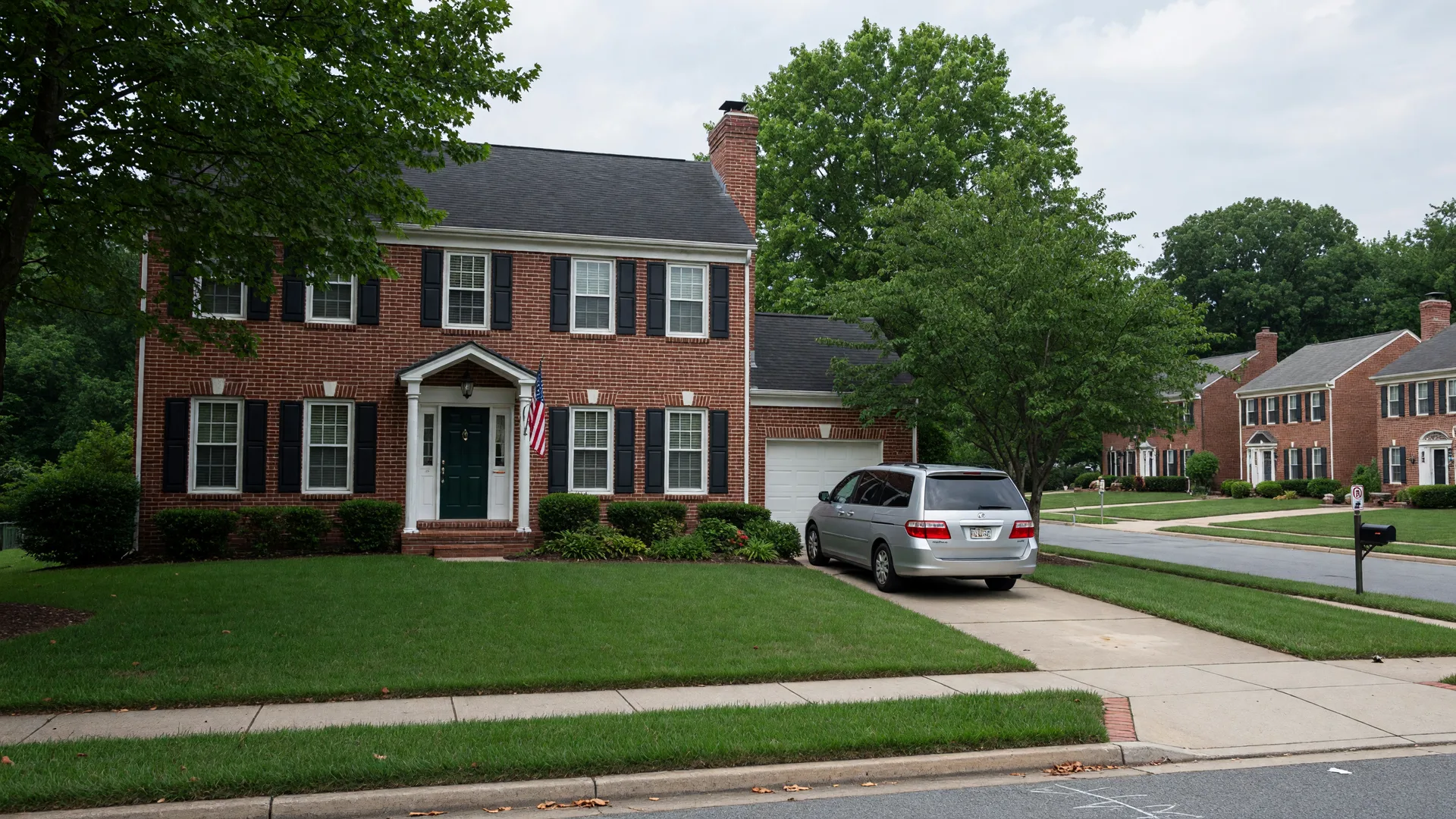
This situation is more common than you might think. Mom passes away. One adult child already lives in the home. Or… a family member moves in after the death. Soon another heir asks: "Why are they living there for free while the rest of us pay the bills?" Situations like this can quickly create conflict if they aren't handled carefully.
The House Belongs to the Estate
During probate, the property is generally an asset of the estate. The Personal Representative has a fiduciary duty to manage that asset for the benefit of all beneficiaries, not just one. That means every decision should be based on what's best for the estate.
Why Rent-Free Occupancy Can Become a Problem
When one heir lives in the home without paying anything, several issues may arise. For example: utility bills continue, insurance may need to be updated, property maintenance becomes an issue, other heirs may believe the arrangement is unfair, and the sale of the home may be delayed. Even when everyone gets along initially, disagreements often develop over time.
The Personal Representative Should Address the Issue Early
Avoiding the conversation rarely solves the problem. Instead, the Personal Representative should discuss occupancy with the estate's attorney and clearly communicate expectations. Questions to consider include: Who will pay utilities? Who is responsible for maintenance? Can contractors access the property? How will showings be handled if the home is sold? When will the occupant move out if the property is listed? Having a plan early prevents misunderstandings later.
Delaying the Sale Can Cost the Estate
Every extra month the estate owns the property may mean additional: mortgage payments, property taxes, insurance premiums, utility bills, lawn care, and repairs. If the occupant delays the sale, those carrying costs reduce what eventually goes to all beneficiaries.
The fastest way to understand what options are available is to get an instant offer on the property. Knowing the cash value gives you a concrete baseline as you weigh each decision.
Family Relationships Matter
Probate isn't only about money. It's also about family. The Personal Representative should strive to: communicate openly, explain decisions, document agreements, treat everyone fairly, and keep emotions separate from financial decisions. Transparency helps preserve family relationships while protecting the estate.
Frequently Asked Questions
Can one heir live in the home during probate?
Possibly, depending on the circumstances. Because each estate is different, the Personal Representative should discuss occupancy with the estate's attorney.
Should the occupant pay rent?
Whether rent is appropriate depends on the facts of the estate and applicable law. The Personal Representative should seek legal guidance before making that decision.
Can the house still be sold if someone lives there?
Yes, but occupancy may make repairs, staging, photography, and buyer showings more difficult.
What if the occupant refuses to leave?
The Personal Representative should work with the estate's attorney to determine the appropriate legal steps while protecting the estate.
Helping Maryland Families Through Difficult Probate Decisions
Occupancy disputes are emotional. Our role is to make the real estate side as smooth as possible. We help Personal Representatives: evaluate the home's value, develop a selling strategy, coordinate repairs and staging, schedule showings around occupants when necessary, obtain multiple cash offers, and maximize the estate's net proceeds. Our focus is helping families move forward while protecting one of the estate's most valuable assets.
Need guidance on a Maryland probate property? Get an instant offer today for a free probate real estate consultation.
Legal Note
For legal questions about your responsibilities as a Personal Representative, consult a competent Maryland probate attorney.